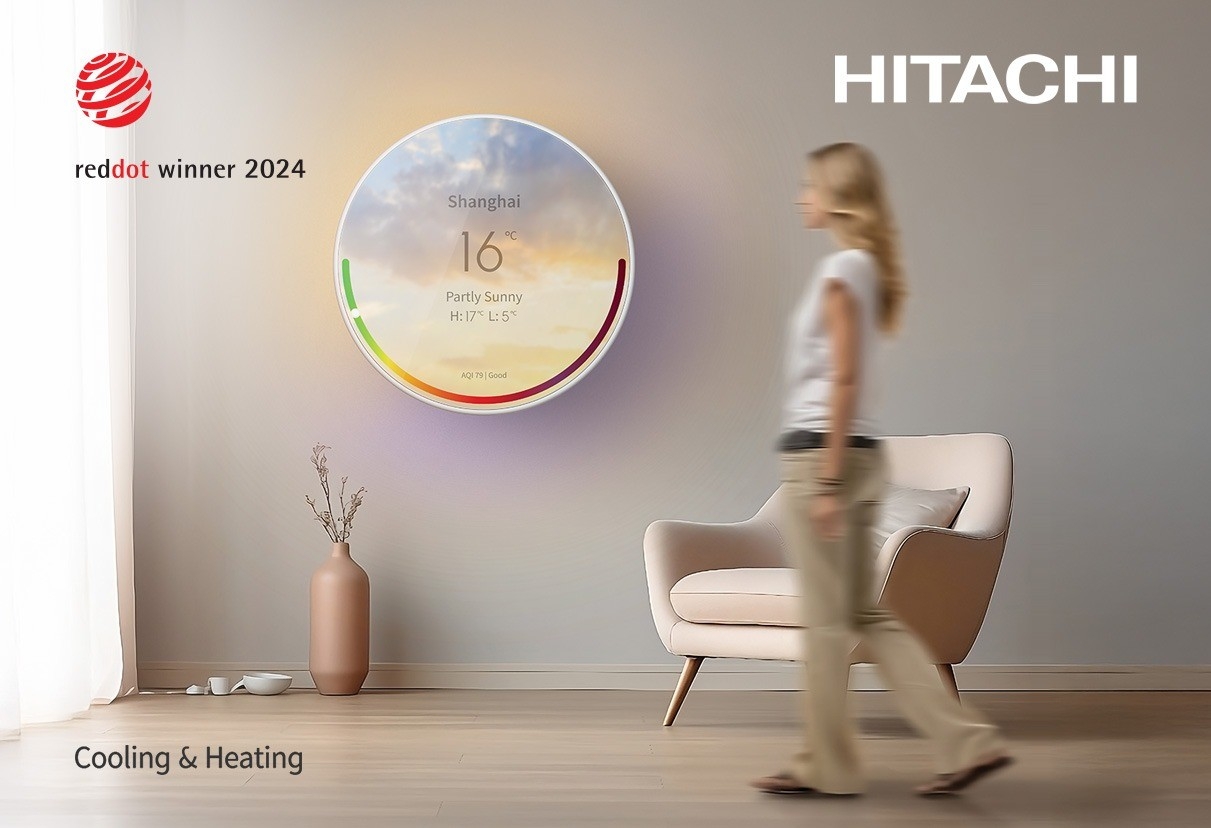




In 2026, refrigeration technology has made significant strides with modern cooling systems such as PAC, MULTI, VRF, and CHILLER systems. Installing a central air conditioning system according to standards can help businesses save up to 35% on electricity compared to using traditional individual air conditioning units. This is achieved through intelligent control and optimization of cooling load based on the actual needs of each area within the building.
What is central air conditioning?
Commercial air conditioning is a cooling solution that utilizes one or a group of outdoor units connected to a variety of indoor units via a network of refrigerant (cooling gas) or chilled water distribution. Hitachi Commercial air conditioner systems use the principle of varying refrigerant or water flow rates to regulate cooling capacity for each individual zone.
Commercial air conditioning (VRF) systems cool air and come in four types:
- Wall-mounted central air conditioners.
- Floor-mounted central air conditioners.
- Ceiling-mounted cassette central air conditioners.
- Ducted ceiling-mounted central air conditioners.
.png)
Commercial air conditioning systems, such as chillers, cool using water or air, and come in two types:
- Water-cooled chillers
- Air-cooled chillers
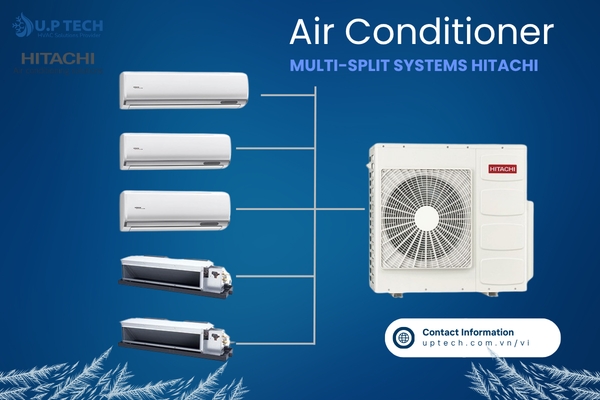
Furthermore, Multi-split and Packaged Air Conditioner (PAC) systems are considered hybrid solutions between split and central air conditioning, extremely popular for high-end apartments and small to medium-sized offices. A Multi-split system connects one outdoor unit to 2-5 indoor units, saving installation space and offering higher energy efficiency than older Multi-split systems thanks to the environmentally friendly R32 refrigerant. PAC systems, on the other hand, are commercial floor-standing or ceiling-mounted units with high capacity, suitable for open spaces such as showrooms or restaurants.
Basic Operating Principles
The operating principle of MULTI (Multi-Split Systems) systems:
Multi-split systems (such as Hitachi's MS_SJ-HNV series) operate based on a configuration of one outdoor unit connected to multiple indoor units (up to 5 units).
Independent refrigerant distribution: The outdoor unit contains a high-capacity inverter compressor. Refrigerant is routed from the outdoor unit to a splitter (or direct connection ports on the outdoor unit). Here, electronic expansion valves (EEVs) precisely distribute the amount of refrigerant to each individual indoor unit.
Zoning Control: Each indoor unit operates completely independently. When you turn off a room, a sensor will send a signal to the outdoor unit; the inverter compressor will automatically reduce its speed and the expansion valves will partially close to provide sufficient energy only to the rooms that are still in use.
Purpose: To optimize outdoor unit installation space for townhouses and apartments with multiple rooms but limited balcony space.
Operating Principle of Packaged Air Conditioner (PAC) Systems
PAC systems (such as the airCore 600 and Primairy series) are often referred to as localized commercial air conditioners, operating in a configuration of one outdoor unit connected to one large-capacity indoor unit (Single Split).
Concentrated Power: PACs concentrate all the energy from the compressor into a single indoor unit (which can be a ceiling cassette, ducted concealed ceiling, or ceiling-mounted type).
Cooling Open Spaces: The principle of PACs is to create a strong airflow and high volume to cool large spaces effectively. For example, the airCore 600 series uses a powerful DC Inverter compressor to maintain a stable temperature for an entire restaurant lobby or large office without splitting the system.
Durability and static pressure: Unlike conventional air conditioners, PAC (concealed ceiling type) works on the principle of blowing air through a long duct system thanks to high static pressure (ESP), allowing cold air to penetrate to distant locations that smaller units cannot reach.
(2).png)
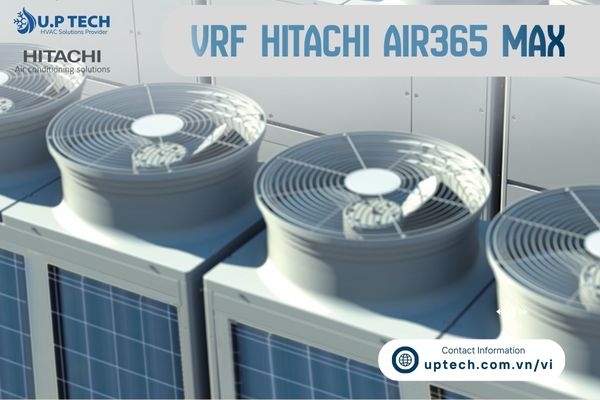
VRF (Variable Refrigerant Flow) System – Variable Refrigerant Flow Technology
VRF systems (such as Hitachi's Set-Free series) operate on the principle of directly adjusting the amount of refrigerant (gas) delivered to each consumption area. The refrigerant gas is used as a heat transfer medium directly from the outdoor unit to each indoor unit in the room. Each indoor unit is equipped with an Electronic Expansion Valve (EEV). Based on data from the room temperature sensor, the EEV calculates and opens/closes to supply the correct amount of gas needed. When the indoor units reach the set temperature, the EEV closes, and the central compressor, using Cascade Vector DC Inverter technology, automatically reduces its frequency to the lowest level. Instead of switching on and off, which wastes power during startup, the system maintains operation at a low intensity to keep the temperature absolutely stable.
Advantages: Extremely fast response to temperature changes, low energy loss due to the absence of intermediate refrigerants.
→ See More: Hitachi Air VRF provide flexible & energy-efficient HVAC for building
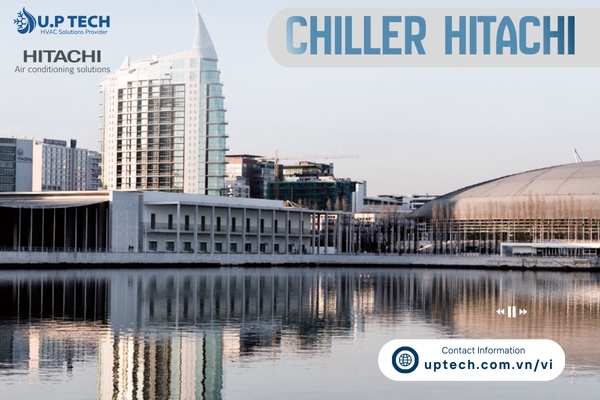
Chiller System – Heat Exchange Technology Using an Intermediate Refrigerant
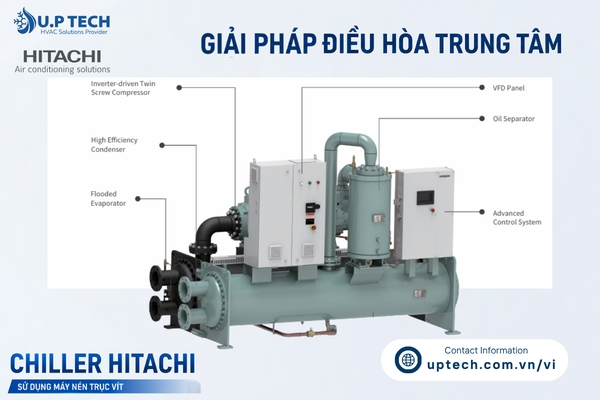
Unlike VRF systems, chiller systems (especially screw chillers) use water as an intermediate refrigerant to deliver cooling. The central compressor does not directly supply refrigerant to the rooms. Instead, it cools the water to approximately 7°C at the heat exchanger. The water is then pumped through a network of pipes to end units such as FCUs (Fan Coil Units) or AHUs (Air Handling Units) in the areas requiring cooling. At the FCU/AHU, fans blow air through copper pipes containing cold water to cool the room air. After heat exchange, the heated water returns to the chiller to begin a new cooling cycle. Chiller systems require an additional cooling circulation loop (usually using a cooling tower or air cooling) to remove heat from the compressor to the outside environment.
Advantages: Extremely high cooling capacity, high compressor durability, suitable for very large spaces requiring high power stability.
The core difference for contractors
Characteristic | VRF system | Chiller System |
|---|---|---|
Refrigerant | Refrigerant gas (R410A, R32) | Clean water / Glycol |
Adjustment method | Change the gas flow rate via the EEV valve | Change the water flow rate through the 2-way/3-way valve |
Compressor technology | Full-time inverter | Screw or Centrifugal |
Construction complexity | Average (Copper piping system) | High (Plumbing system, pumps, cooling towers) |
VRF systems, with their flexibility and energy-saving performance at partial load, are suitable for offices and hotels, while screw chillers are irreplaceable for heavy industrial projects due to their robust operation and unlimited capacity.
(4).png)
Why will central air conditioning help save up to 35% on electricity by 2026?
The 35% figure isn't just advertising hype; it's based on the scientific foundation of the core technologies integrated into the 2026 version of commercial air conditioner:
Advanced Inverter & Variable Frequency Drive Technology: The central compressor never shuts off completely but changes its operating frequency. When the cooling load decreases (e.g., in the evening or when there are fewer people), the compressor runs at an extremely low level, consuming only a fraction of the power it used during startup.
VRT (Variable Refrigerant Temperature) Technology: The system automatically adjusts the refrigerant temperature according to the outdoor temperature and indoor load. This prevents unnecessary overcooling.
Smart Sensors and AI: Infrared sensors detect the presence of people. If the room is empty, AI will automatically increase the temperature or put the unit into standby mode, minimizing waste.
Central Management System (BMS): Allows building managers to schedule operation precisely down to the minute, preventing forgetting to turn off air conditioning in public areas.
Next-generation refrigerants: The use of improved R32 or R410A gas increases heat exchange efficiency, allowing the machine to cool faster with less energy.
Hitachi Commercial air conditioner Advantages, Disadvantages, and Suitable Users
Although Hitachi commercial air conditioner offers significant long-term economic benefits, investors should also carefully consider the following factors:
Advantages:
Long-term energy savings: Faster return on investment thanks to reduced electricity costs.
Extremely high durability: System lifespan can reach 20-25 years with proper maintenance.
Perfect aesthetics: Concealed ceiling units provide a luxurious and sophisticated look to interior spaces.
Quiet operation: Outdoor units are placed far from living areas, minimizing noise.
Disadvantages:
Initial investment: 1.5 - 2 times higher than a local air conditioning system.
Technical requirements: Requires a highly competent design and construction consulting firm from the rough construction stage.
Investing in a commercial air conditioning system is the solution to the problem of operating costs in an era of high energy prices. With the ability to save up to 35% of electricity, intelligent operation, and optimal comfort, this is certainly the new standard for modern buildings in 2026.
Whether you are interested in a flexible VRF system, a compact MULTI-PAC system, or the power of a CHILLER, choosing a reputable contractor is the most important step. A good system must go hand in hand with a technically sound installation solution to ensure the expected energy efficiency.
Are you looking for energy-saving solutions for your building? Contact U.P Tech team of experts today for advice on designing the most optimal commercial air conditioning system for 2026!
U.P. TECHNOLOGY AND TRADING CO., LTD.
Hotline: 1800 6202
Email: vu@uptech.com.vn
Website: https://uptech.com.vn
Transaction Office: 370 Cach Mang Thang 8 Street, Nhieu Loc Ward, Ho Chi Minh City
Head Office: A13, Thuan Viet Commercial Area, 319 Ly Thuong Kiet Street, Phu Tho Ward, Ho Chi Minh City.
What is RAK/RAC? Meaning of these codes and how to distinguish RAK/RAC
How does Hitachi commercial air conditioning save energy?
3 reasons to choose Hitachi Mini VRF Set Free for your air conditioning system
Discover Frost Wash Technology in Hitachi Room Air Conditioners
Top Hyundai Elevator Models to Know in 2026
Learn about the built-in Power-Safe mode on Hitachi RAC systems.
Comparing Hitachi RAK/RAC Inverter models with standard non-inverter serie, which solution offers optimal energy efficiency for the bedroom?
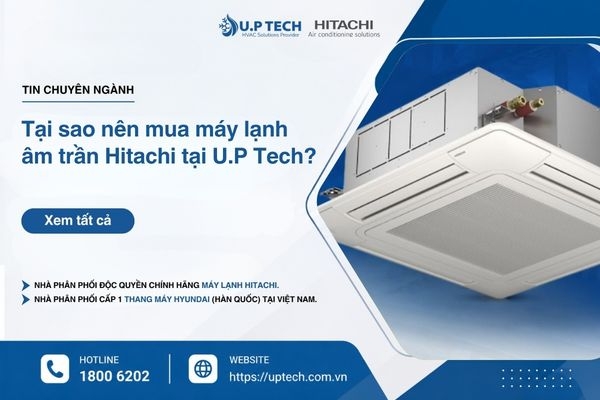
Why buy Hitachi Ceiling air conditioner at U.P Tech?
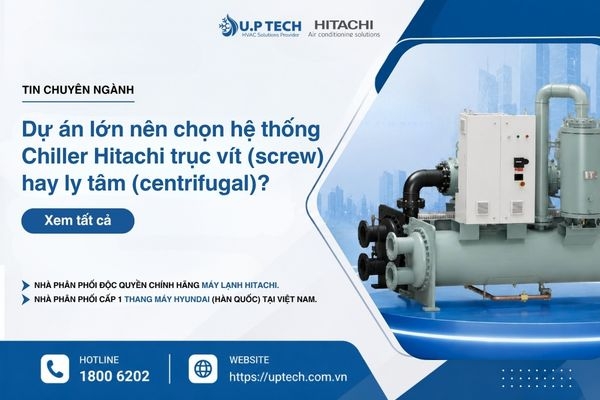
Comparing Hitachi Screw vs. Centrifugal Chiller Systems: Which Is Best for Large-Scale Projects?
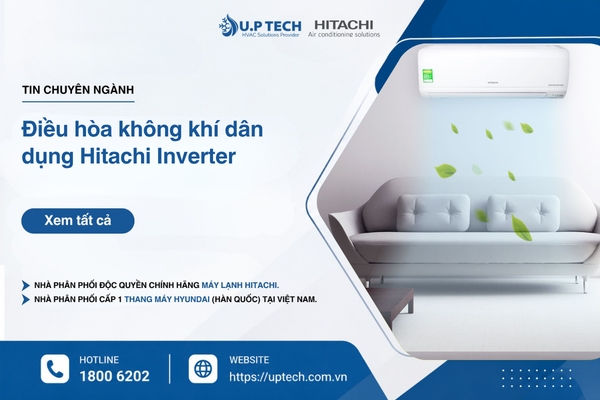
Hitachi Inverter Residential Air Conditioners – The optimal solution for filtering out PM2.5 fine dust
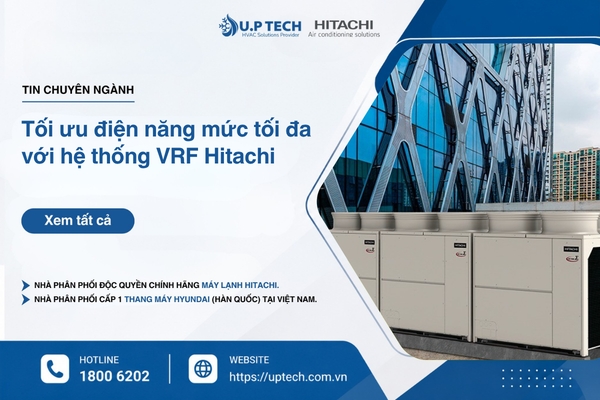
Maximize energy efficiency with Hitachi VRF systems: The secret lies in Japanese compressor technology

Guide to Selecting the Right Hyundai Elevator Load Capacity and Dimensions for Office Buildings for Lease
Twin-sense sensor on Cassette Hitachi: Detects floor temperature to help prevent cold feet
Tips for Selecting Capacity and Optimizing Outdoor Unit Placement for Hitachi PAC Systems
Important considerations when replacing Hyundai elevator parts to ensure compliance with technical standards
Comparing Hitachi airHome 600 and airHome 500 RAC Systems: Choosing the Right Solution for Specific Needs
Points to consider when cleaning Hitachi air conditioners to ensure cooling efficiency
Discover Machine Room-Less (MRL) technology in Hyundai YZER elevators
Hitachi Multi-Split Systems with Built-in Wi-Fi: Easier Remote Air Conditioner Control
What advantages do Hitachi air conditioners using R32 refrigerant have over those using R410A?
How does Inverter technology in Hitachi air conditioners help reduce power consumption?
Hitachi RAK/RAC: Powerful Cooling for instant cooling on hot days
U.P Tech supplies genuine Hyundai elevator spare parts
Comparing Hitachi ducted ceiling air conditioners and cassette ceiling air conditioners: Which one should you choose?
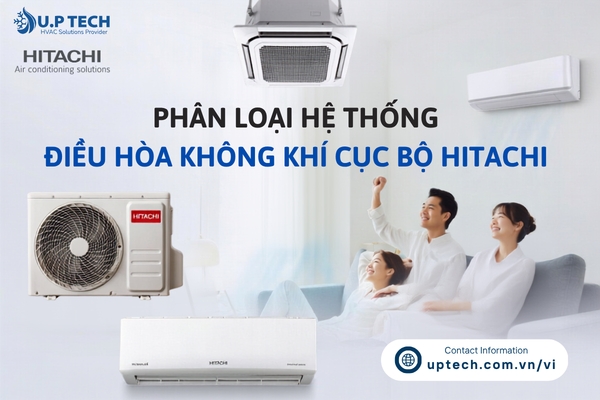
Classification of Hitachi split air conditioning systems
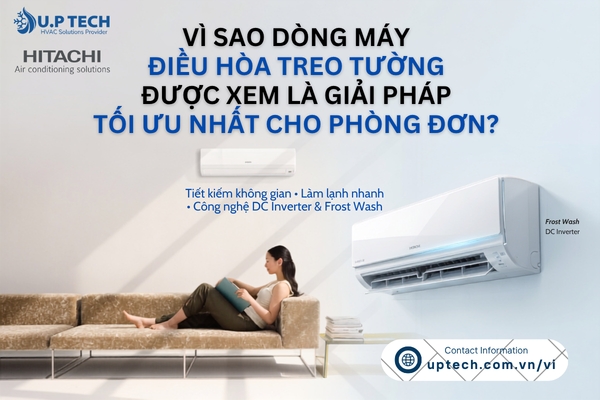
Why Is a Room Air Conditioner the Best Solution for Single Rooms?
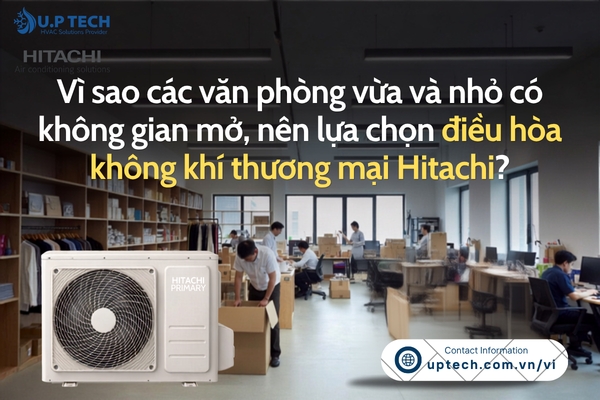
Why should small and medium-sized offices with open spaces choose Hitachi commercial air conditioners?
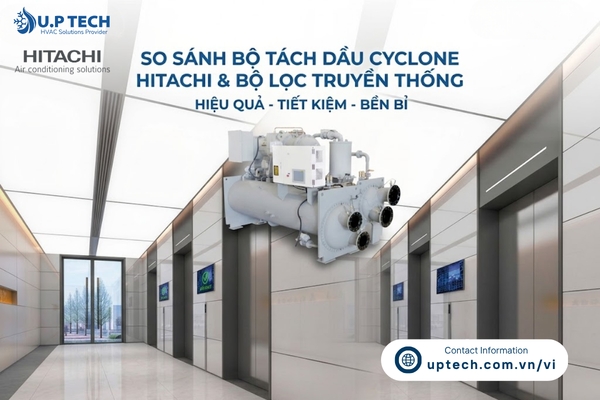
Comparison of Cyclone Oil Separators in Hitachi Chiller Air Conditioners and Traditional Filters
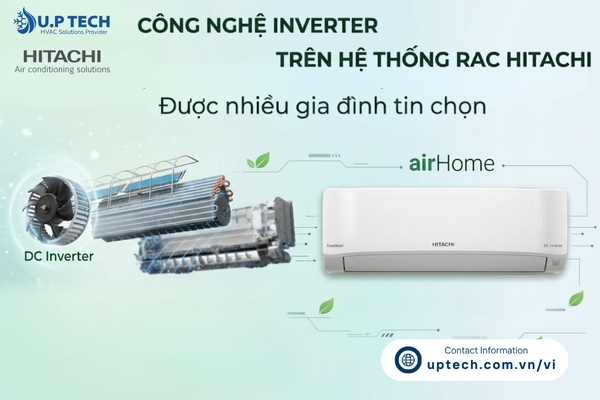
Why is Inverter technology in Hitachi RAC systems a popular choice for many families?
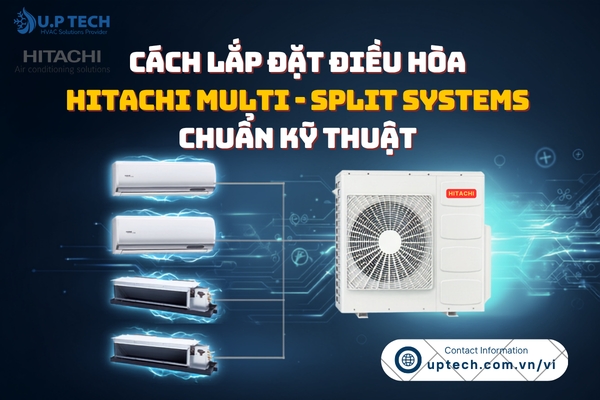
How to properly install Hitachi Multi-Split Systems air conditioners.
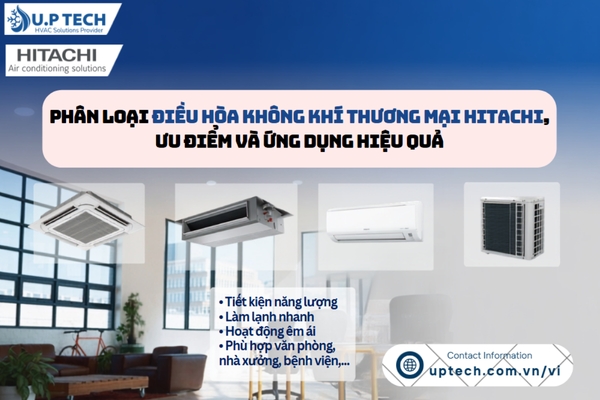
Hitachi Commercial Air Conditioners: Advantages & Applications
How to Choose the Right Hyundai Elevator Passenger for Investors
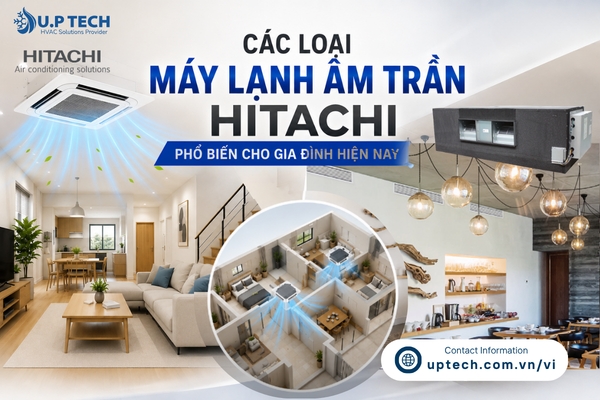
Popular Hitachi ceiling air conditioner models for homes
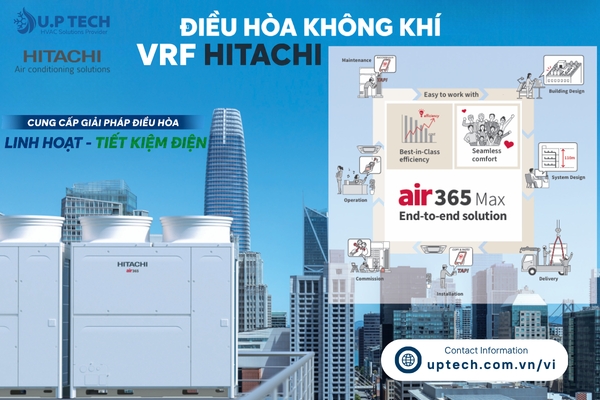
Hitachi Air VRF provide flexible & energy-efficient HVAC for building
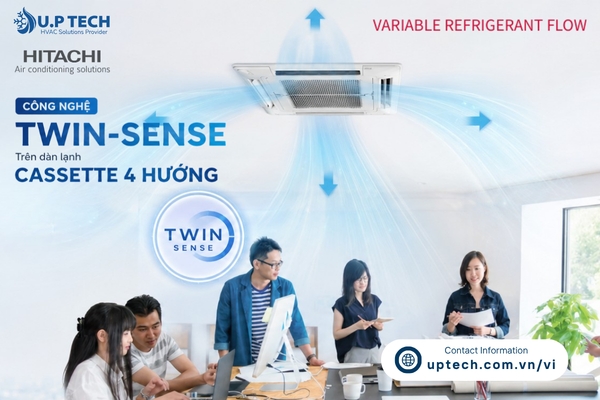
Hitachi Air VRF indoor units feature Twin-Sense 4-way cassette technology
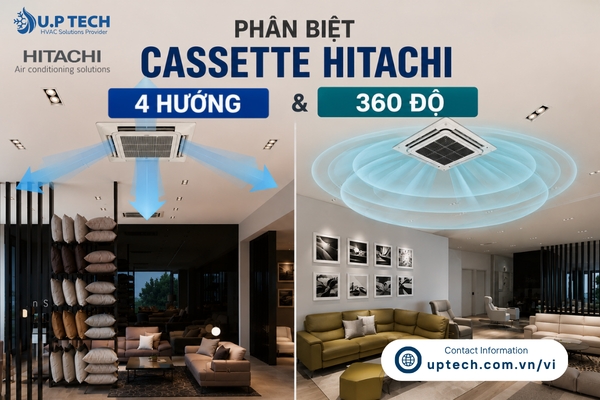
Distinguish Between Cassette Hitachi 4-Way and 360-Degree Cassette
Guide to Choosing and Using a Room Air Conditioner
Evaluating VFD control technology on WVY water-cooled Hitachi air chiller
Hyundai i-XEL elevator safety features comply with EN81 standards, a smart mobility solution
Central Air Conditioning Solution with Hitachi Chiller System Using Screw Compressors
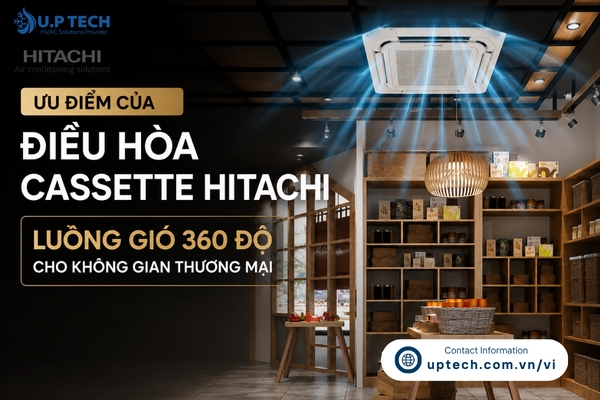
Advantages of Hitachi Cassette Air Conditioners with 360-Degree Airflow for Commercial Spaces
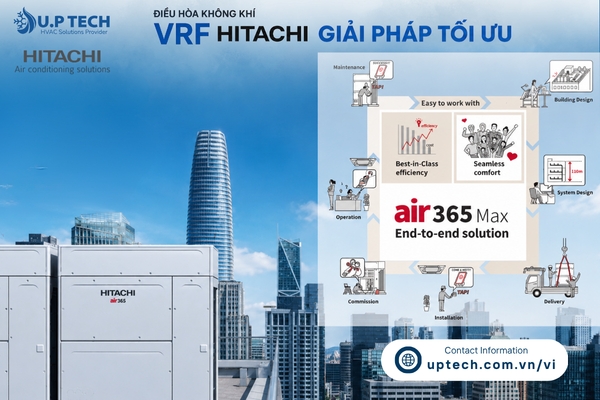
Hitachi VRF Air Conditioning offers optimal solutions for architects, contractors, installers, and investors.
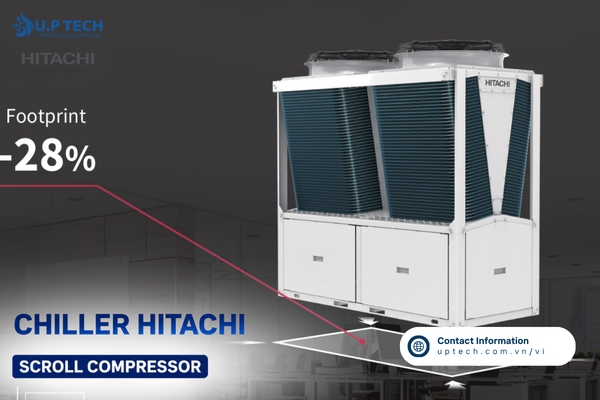
Scroll Compressor Hitachi Air Chiller to Match Capacity
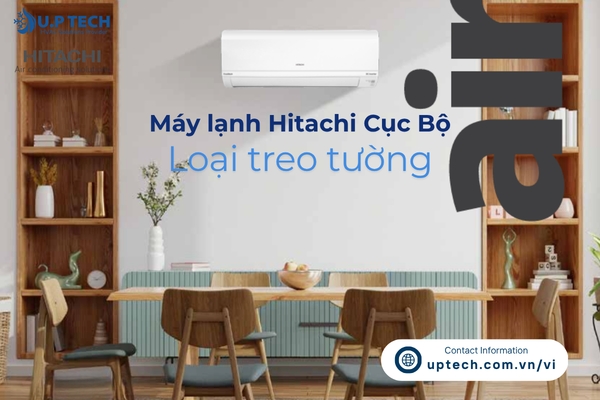
Classification of wall-mounted split air conditioners and tips for choosing the right one
Hitachi Multi-Split 2026: Hiểu Ngôi Nhà Qua Từng Nhịp Sống
Hyundai i-XEL elevators: The optimal space-saving solution for townhouses
Hitachi RAK/RAC 2026: Integrated Wifi and Nano Titanium Air Purifier
VRF air conditioning and heat recovery solutions
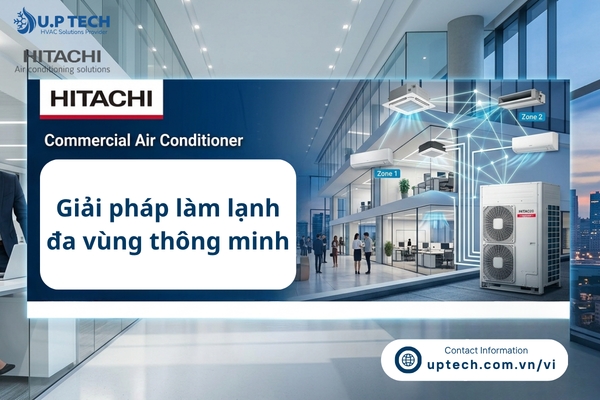
Hitachi Commercial Air Conditioner: Smart Multi-Zone Cooling Solution
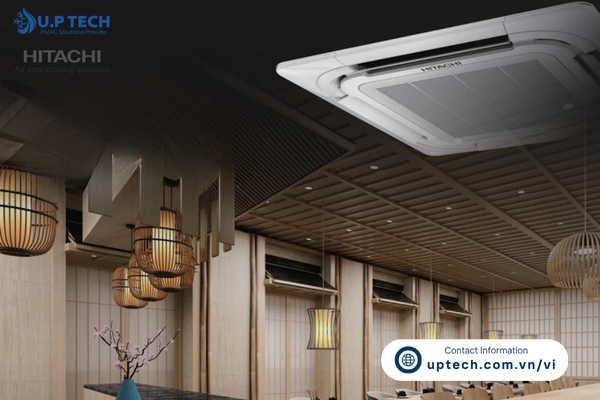
Hitachi Cassette: The optimal ceiling-mounted air conditioning solution for all system configurations
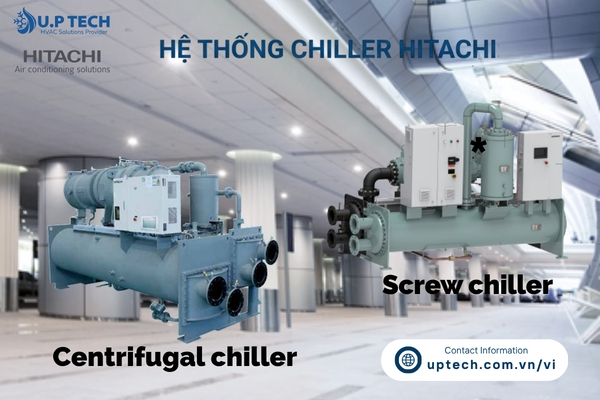
Comparison of Hitachi centrifugal and screw chiller systems
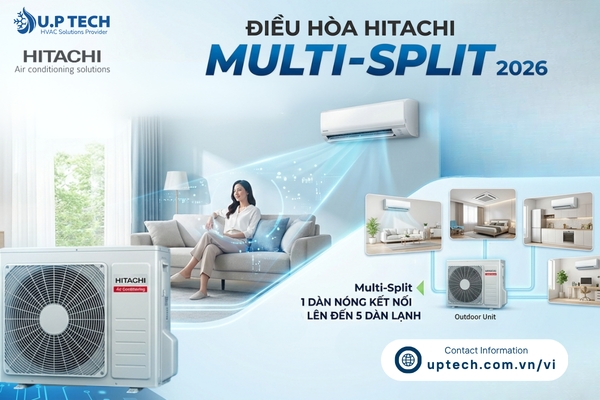
Hitachi Multi-Split 2026 Air Conditioner: A breakthrough with intelligent AI eye sensor
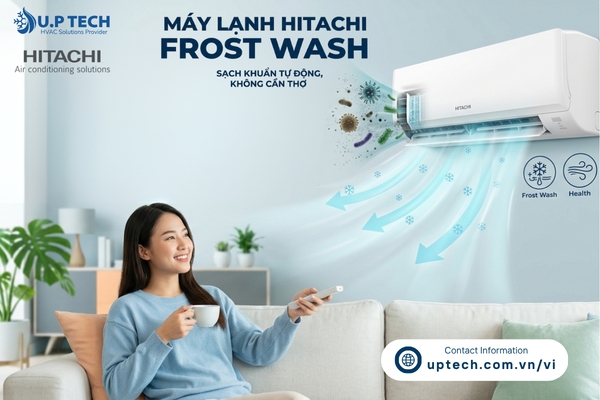
Hitachi Frost Wash air conditioner: The secret to thorough cleaning without a technician
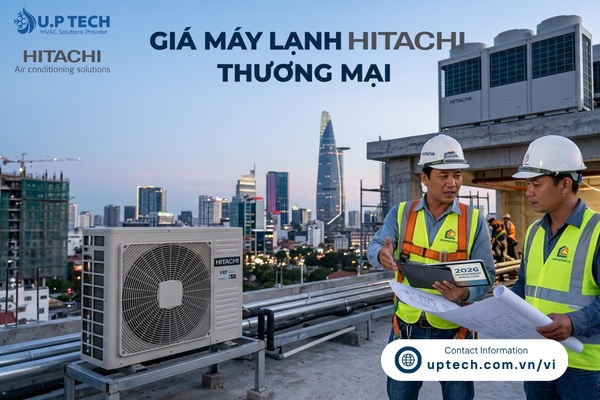
Hitachi commercial air conditioner prices: Investment cost analysis for contractors in 2026
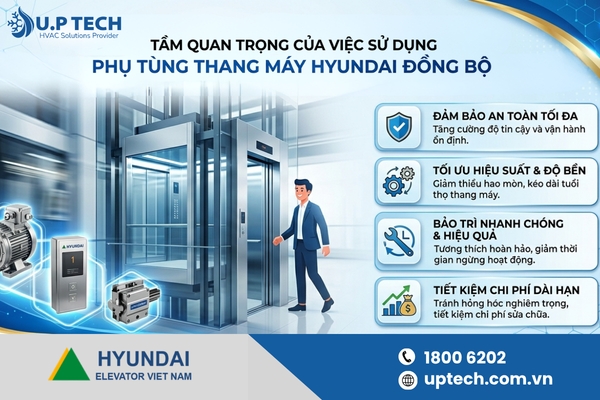
The Importance of Using Genuine Hyundai Elevator Parts
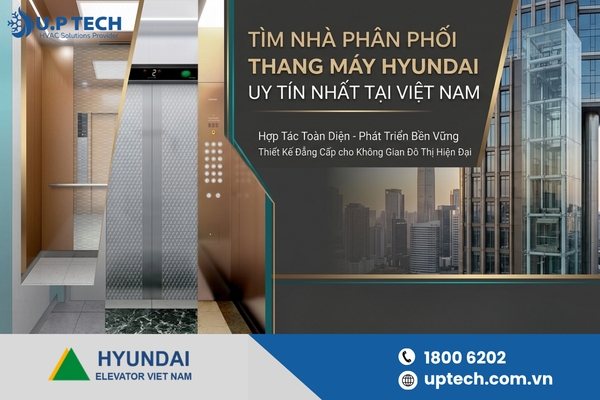
Looking for a reputable Hyundai elevator distributor in Vietnam for your project?
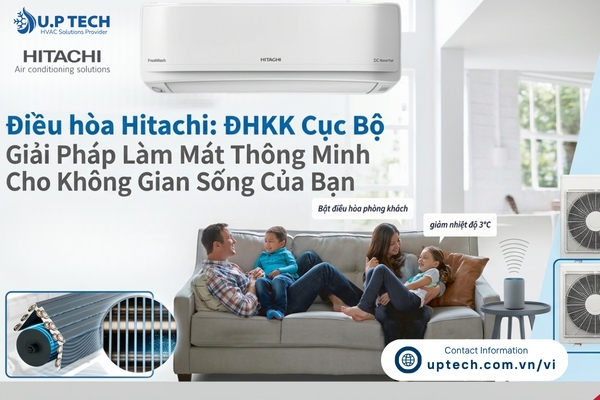
Hitachi Air Conditioners: Local Air Conditioning Systems Offering Smart and Durable Cooling Solutions
Why should high-end projects prioritize Hitachi air conditioners?
Hitachi Absorption Chiller System – The Pinnacle of Evaporative Cooling Technology for Large Factories
Hitachi RAK/RAC: Exclusive FrostWash self-cleaning technology 2026
When is elevator maintenance and replacement of genuine Hyundai elevator parts necessary?

A compilation of typical Hyundai elevator projects implemented by Up.Tech.
Do Hitachi ceiling-mounted air conditioners really provide even cooling? Analyzing airflow and practical placement.
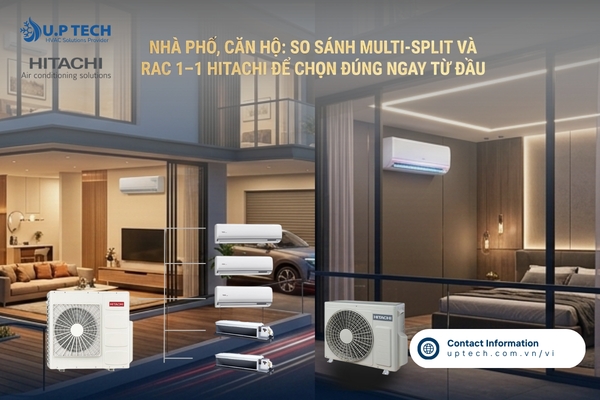
Townhouses and apartments: Comparing Hitachi RAC 1-1 and Multi-Split to make the right choice from the start.

When should you choose Hitachi ducted concealed ceiling air conditioners for your cafe or restaurant?

When should you choose Hitachi Multi-Split instead of multiple separate units for townhouses and apartments?
When should you choose Hitachi cassette ceiling-mounted air conditioners for offices and showrooms?
Hitachi Air Chiller Systems in Industrial Environments: Stable Cooling Solutions for Heavy and Continuous Loads
Hitachi Air365 Max VRF air conditioning solution: Energy-saving technology combined with independent zone control
Common misconceptions about Hitachi VRF systems that consumers need clarified
Hitachi Chiller Systems: The ultimate cooling solution for modern factories
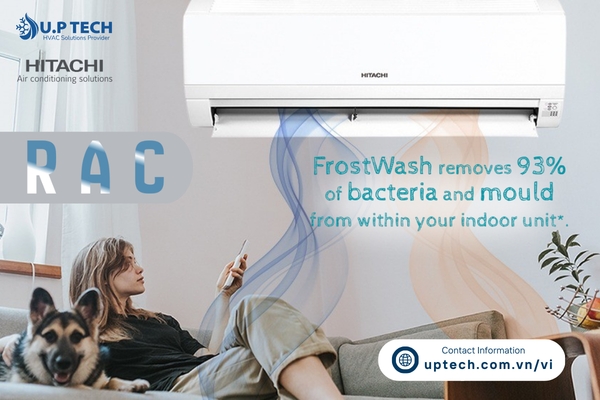
Why Do Many Small Projects Choose Hitachi RAC Systems?

Hitachi PAC systems: industrial solutions for construction projects
Developers should pay attention to the issue of ceiling mounted hot and cold water heaters leaking
Top 5 common elevator malfunctions that cause residents to complain
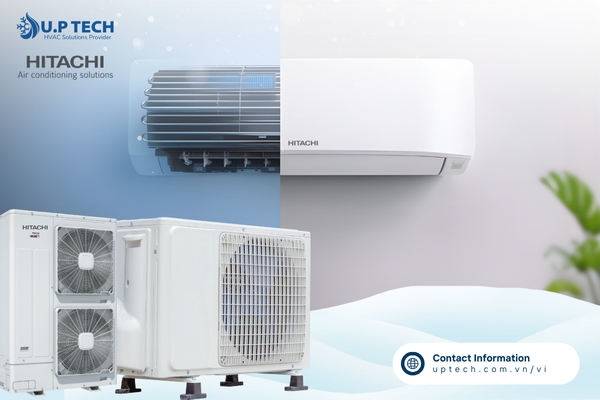
What types of buildings are hitachi air conditioners suitable for how should you choose them for homes offices and factories
Hyundai elevator distributor Uptech brings advanced mobility technology to the digital age
Hyundai Elevator Price List - Latest 2026 Prices at U.P Tech
Hitachi Air Conditioner Distributor: Providing Optimal Solutions for Customers
Authorized Distributor of Genuine Hyundai Elevator Parts in Vietnam
U.P Tech is the distributor of 100% genuine Hitachi spare parts

Authorized Distributor of Genuine Hitachi Air Conditioner
U.P Tech – Distributor of Hyundai (South Korea) Elevators in Vietnam
U.P Tech Exclusive Distributor of Hitachi Air Conditioners in Vietnam
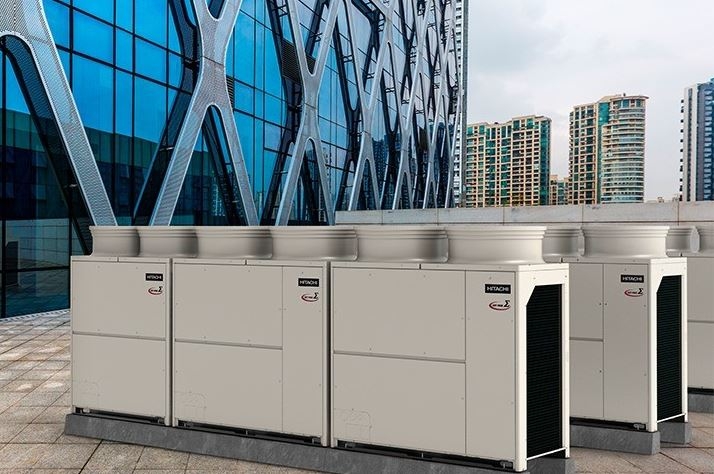
Hitachi VRF solutions

Hitachi Commercial Air Conditioner | Hitachi Air Conditioner

Light Commercial Split Systems

Hitachi Multi – Split Systems - Uptech
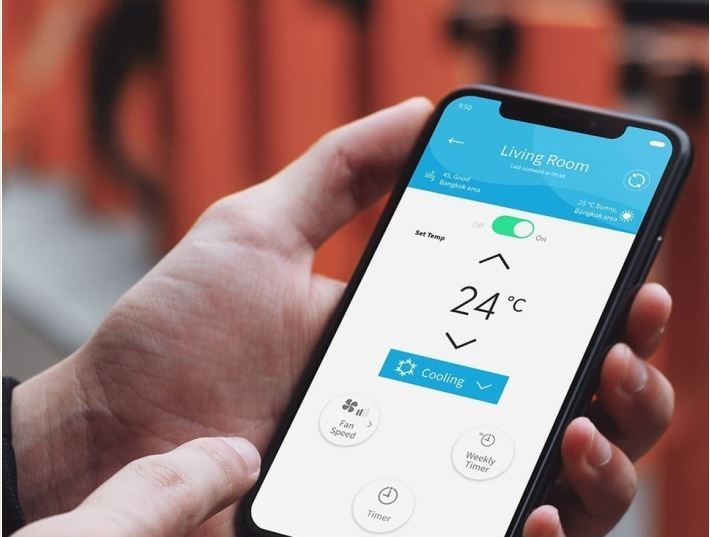
AC Apps & Controllers for home

Hitachi Home Air Conditioning

Hitachi Air Conditioning for Single Room - Room Air Conditioner
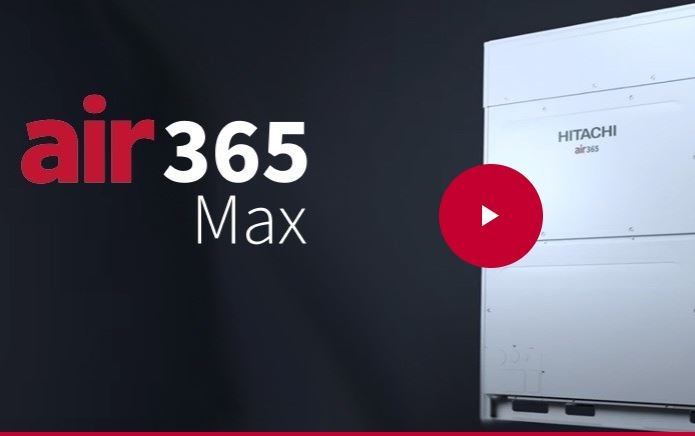
Air365 max innovations