



Elevators are vital transportation arteries in high-rise buildings, apartment complexes, hospitals, and even private homes. According to unofficial statistics in Vietnam, unfortunate elevator accidents occur annually, largely due to neglecting regular maintenance or using low-quality replacement parts.
Have you ever wondered if the elevator you ride every day has been properly inspected? Will the internal elevator components still operate safely after 5 or 10 years of use? Understanding when maintenance is needed and knowing when to replace genuine Hyundai elevator parts not only extends the equipment's lifespan but is also crucial for protecting the lives of users. In this article, U.P Tech will provide you with a standard maintenance schedule and a list of important components to pay attention to.
Vietnamese Legal Regulations on Elevator Maintenance and Servicing
In Vietnam, elevators are classified as equipment requiring strict occupational safety standards. Therefore, maintenance is not only a manufacturer's recommendation but also a legal obligation of the building owner/management unit.
Legally, maintenance and inspection activities must strictly comply with QCVN 32:2018/BLDTBXH (National Technical Standard on Occupational Safety for Home Elevators) and Circular 48/2016/TT-BLDTBXH.
According to regulations, elevators must undergo periodic maintenance after installation and commissioning. For new elevators, the interval between maintenance should not exceed 3 months.
However, given Vietnam's hot and humid climate and high usage intensity in office buildings and apartment complexes, monthly maintenance is recommended. For home elevators with lower usage frequency, the maintenance cycle can be extended, but it must be at least every two months.
Adhering to the maintenance schedule helps to detect malfunctions in elevator parts early, allowing for timely repairs and preventing costly chain-reaction failures.
(7).png)
Regular Elevator Maintenance Schedule
U.P Tech always focuses on the durability of an elevator, 30% on equipment quality and 70% on maintenance and spare parts replacement. Depending on the type of building and the elevator's lifespan, the maintenance schedule needs to be adjusted flexibly.
Maintenance schedules vary depending on the type of building
Type of construction | Maintenance frequency | Key objectives |
|---|---|---|
Home elevator (Villa/NEX-H) | every 2 months | Ensure a smooth ride and check the automatic rescue system |
Apartment building / Office building | once a month | High-strength testing of door systems and load cables |
Hospital / Shopping Mall | 2-4 times/month | Perform thorough safety checks and clean the brake rails and pads |
Elevator Maintenance Schedule by Age:
New elevators (less than 5 years old) require focused cleaning, rail lubrication, electrical connection checks, and floor alignment. At this stage, Hyundai elevator parts typically don't need frequent replacements; mainly consumables.
Medium-term elevators (5 to 15 years old) are when electronic and rubber components begin to age. This is the ideal time to plan for periodic replacement of Hyundai elevator parts such as cables and guide shoes.
Older elevators (over 15 years old) require major overhauls and maintenance. Central control systems and traction machines need rigorous inspection.
Signs that indicate an elevator needs immediate maintenance
- Don't wait until the elevator stops working to call a technician; pay attention to distress signals from the elevator itself:
- If you feel the cabin isn't moving smoothly and there's a jerking sensation when starting or stopping, the inverter may be malfunctioning or the guide rails may be dry, warped, or lacking lubrication.
A metallic screeching sound indicates worn guide shoes or abnormal friction from the hoisting cable. A "humming" sound from the traction machine may indicate a damaged bearing. - If the door sensor (photocell) is faulty or the door rollers are worn, the doors will open and close uncontrollably, posing a danger to children and the elderly.
- If the elevator stops more than 5mm higher or lower than the floor level, it's a sign that the braking system or floor stop sensor is malfunctioning.
- If you have to press the button multiple times for the elevator to respond, the contacts in the button may be oxidized or the control board may be faulty.
- Lighting system problems often indicate a fault in the power supply, which needs to be checked to prevent electrical fires in the cabin.
- This is an extremely dangerous sign of overload or short circuit. The power must be cut off and switching devices such as contactors and relays checked immediately.
- This fault is usually due to a tripped safety system (safety chain). A technician using a specialized diagnostic tool is needed to identify which component is faulty.
- If the power goes out and the elevator does not automatically return passengers to the nearest floor, it means the emergency battery is worn out and needs to be replaced with genuine Hyundai elevator parts.
- Even if the elevator is still running, if the cables have been used for more than 7 years or the brake pads are excessively worn, replacement is mandatory to prevent risks.
(2).png)
Which Hyundai elevator parts need periodic replacement or replacement when signs of failure appear?
To effectively manage operating costs, investors need to categorize Hyundai elevator parts according to their lifespan.
Parts wear out quickly, requiring replacement every 1-5 years.
These are the components that are directly subjected to friction or operate continuously: The hoisting cables need to be checked for stretch and the number of broken strands. If more than 10% of the total number of strands in a cable length is broken, they must be replaced immediately. The guide shoes are the plastic parts that contact the rails, ensuring smooth elevator operation. Worn ones will cause cabin vibration. Photocells (door sensors) must ensure safety when someone passes through the door, as well as door rollers and push buttons, which are parts that interact directly with users.
Average spare parts, replacement time: 5-10 years
Precision electronic and mechanical components: The inverter is the brain that controls the motor speed in the elevator. Electrical switching devices in the control panel such as contactors, relays, and emergency battery (ARD) need to be replaced every 2-3 years to ensure a constant backup power supply.
Major spare parts, replaced when needed, replacement interval 10-20 years.
- Traction Machine: The main motor of the elevator.
- Flat cables (for NEX-H series): Hyundai's advanced technology requires periodic inspection to ensure durability.
- Rail and counterweight system: Usually lasts for the lifespan of the building but needs cleaning and adjustment if the building foundation settles.
Choosing genuine Hyundai elevator spare parts is a prerequisite. Non-genuine components often have dimensional or electrical parameter errors, easily causing system conflicts and damaging other expensive circuit boards.
Benefits of Using Genuine Hyundai Elevator Parts
Investing in genuine Hyundai elevator parts may seem expensive initially, but it provides lasting economic value:
- Genuine parts are manufactured to the stringent standards of Hyundai Global, and have undergone impact, heat, and mechanical durability testing, ensuring absolute safety.
- Perfect compatibility means no drilling or complex wiring is required, allowing for synchronized elevator operation, minimizing noise and heat generation.
- A genuine brake pad can last 2-3 times longer than aftermarket parts.
- Excellent warranty coverage is provided by using genuine parts; you receive a warranty commitment from authorized dealers like U.P Tech.
- Maintaining high asset value means that an elevator maintained with genuine parts will retain its value if you need to resell or lease the building.
(10).png)
Risks of using counterfeit, substandard, or untimely replacement parts
Did you know that even a cheap door sensor can lead to tragic accidents? Using substandard cables can damage the traction machine's pulley groove, resulting in the cost of replacing the entire machine being many times greater than the cost of the cables. If an accident occurs due to the use of substandard parts, the management company may face legal consequences. Frequent elevator malfunctions disrupt business, damage customer reputation (for hotels and offices), and cause frustration for residents.
Professional Hyundai Elevator Parts Replacement Process
When working with reputable companies like U.P Tech (a Tier 1 dealer of Hyundai elevators), the Hyundai elevator parts replacement process is transparent and follows 8 steps:
Information Receipt: Recording fault symptoms from the customer.
On-site Inspection: Technicians conduct on-site inspections using specialized equipment.
Technical Report Preparation: Clearly identifying the parts needing replacement, the cause of the failure, and the priority level.
Quotation and CO/CQ Provision: Providing customers with certificates of origin for genuine parts.
Safety Equipment Preparation: Placing warning signs and barriers around the elevator area before work begins.
Replacement Procedure: Performed by a team of certified technicians from Hyundai.
Testing and Trial Operation: Running the elevator in different modes (no load, full load) to check stability.
Acceptance and handover: Record maintenance in the logbook and provide warranty certificates for new components.
Where should you choose a supplier and replacement service for genuine Hyundai elevator parts in Vietnam?
The current elevator market is complex, with many "Type 1" and "Type 2" products falsely labeled as genuine.
To protect your interests, you should choose suppliers that meet the following criteria:
Official authorized dealer: For example, U.P Tech, a Tier 1 distributor of Hyundai in Vietnam. This ensures that components are imported directly from the Hyundai Elevator factory.
Quality certification: All Hyundai elevator parts must have clear labels, CO (Certificate of Origin), and CQ (Certificate of Quality) certifications.
Technical team: Well-trained in the complex mechanical and electrical systems of Hyundai elevators.
Warranty commitment: Replacement parts must have a clear warranty.
Note the difference between genuine parts and aftermarket parts
Criteria | Genuine Hyundai parts | Overloaded spare parts |
|---|---|---|
Source | Hyundai factory | The manufacturing facility is of unknown identity |
Durability | Very high (exactly as designed) | Low quality, prone to minor malfunctions after a few months of use |
Safe | Meets international standards (CE, EN81) | Not safety tested |
Guarantee | It comes with a manufacturer's warranty | Often no or short warranty |
Cost | It comes with a manufacturer's warranty | Cheap initially, but expensive to repair later |
Early detection of malfunctions and adherence to regular maintenance schedules not only helps you avoid the inconvenience of elevator breakdowns but also ensures the absolute safety of your family and customers.
Using genuine Hyundai elevator parts is the best way to maintain peak performance, and if your elevator is showing unusual signs or hasn't been serviced in a long time, contact reputable companies like U.P Tech immediately for inspection and top-notch technical care.
U.P. TECHNOLOGY AND TRADING CO., LTD.
Hotline: 1800 6202
Email: vu@uptech.com.vn
Website: https://uptech.com.vn
Transaction Office: 370 Cach Mang Thang 8 Street, Nhieu Loc Ward, Ho Chi Minh City
Head Office: A13, Thuan Viet Commercial Area, 319 Ly Thuong Kiet Street, Phu Tho Ward, Ho Chi Minh City.
3 reasons to choose Hitachi Mini VRF Set Free for your air conditioning system
Learn about the built-in Power-Safe mode on Hitachi RAC systems.
Comparing Hitachi RAK/RAC Inverter models with standard non-inverter serie, which solution offers optimal energy efficiency for the bedroom?
Why buy Hitachi Ceiling air conditioner at U.P Tech?
Comparing Hitachi Screw vs. Centrifugal Chiller Systems: Which Is Best for Large-Scale Projects?
Hitachi Inverter Residential Air Conditioners – The optimal solution for filtering out PM2.5 fine dust
Maximize energy efficiency with Hitachi VRF systems: The secret lies in Japanese compressor technology

Guide to Selecting the Right Hyundai Elevator Load Capacity and Dimensions for Office Buildings for Lease
Twin-sense sensor on Cassette Hitachi: Detects floor temperature to help prevent cold feet
Tips for Selecting Capacity and Optimizing Outdoor Unit Placement for Hitachi PAC Systems
Important considerations when replacing Hyundai elevator parts to ensure compliance with technical standards
Comparing Hitachi airHome 600 and airHome 500 RAC Systems: Choosing the Right Solution for Specific Needs
Points to consider when cleaning Hitachi air conditioners to ensure cooling efficiency
Discover Machine Room-Less (MRL) technology in Hyundai YZER elevators
Hitachi Multi-Split Systems with Built-in Wi-Fi: Easier Remote Air Conditioner Control
What advantages do Hitachi air conditioners using R32 refrigerant have over those using R410A?
How does Inverter technology in Hitachi air conditioners help reduce power consumption?
Hitachi RAK/RAC: Powerful Cooling for instant cooling on hot days
U.P Tech supplies genuine Hyundai elevator spare parts
Comparing Hitachi ducted ceiling air conditioners and cassette ceiling air conditioners: Which one should you choose?
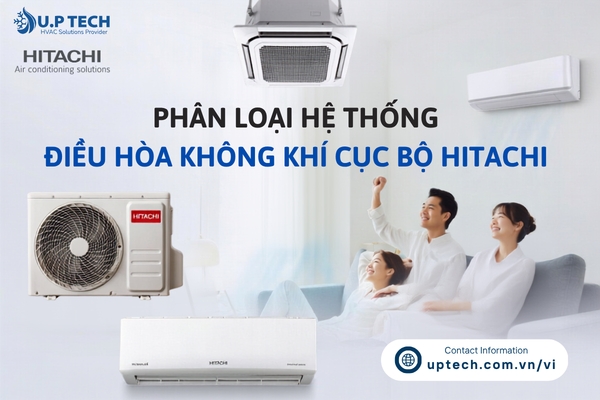
Classification of Hitachi split air conditioning systems
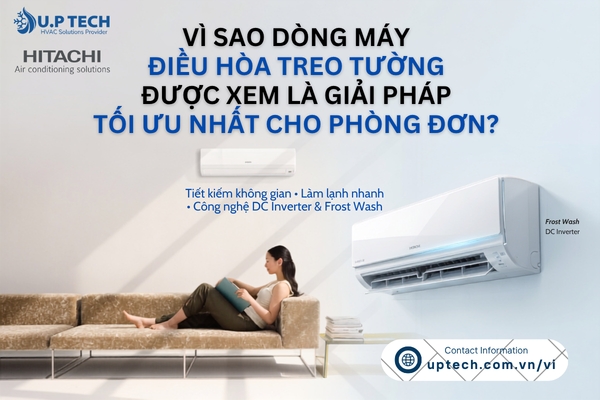
Why Is a Room Air Conditioner the Best Solution for Single Rooms?
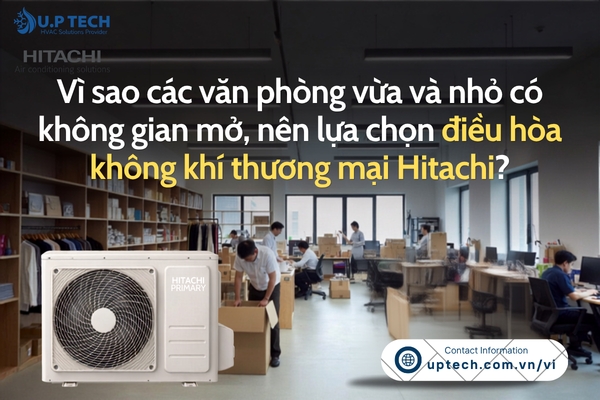
Why should small and medium-sized offices with open spaces choose Hitachi commercial air conditioners?
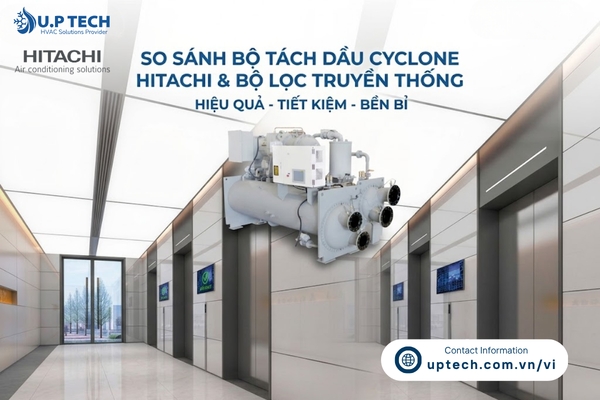
Comparison of Cyclone Oil Separators in Hitachi Chiller Air Conditioners and Traditional Filters
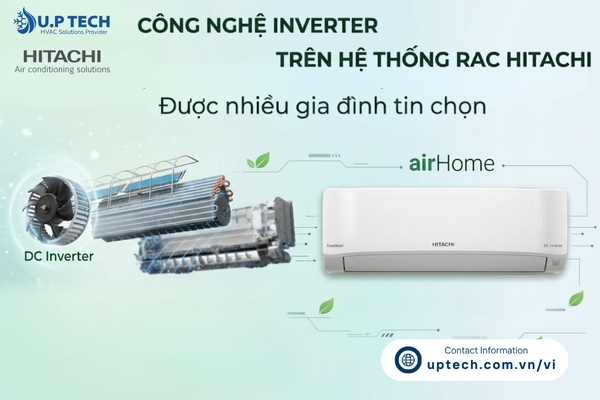
Why is Inverter technology in Hitachi RAC systems a popular choice for many families?
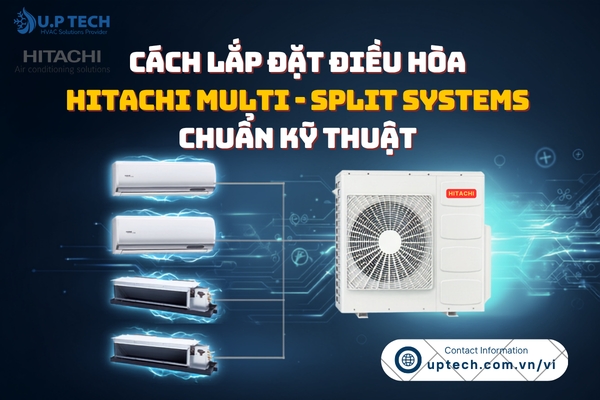
How to properly install Hitachi Multi-Split Systems air conditioners.
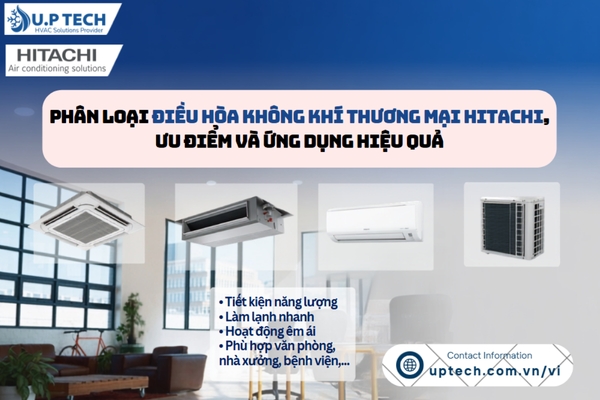
Hitachi Commercial Air Conditioners: Advantages & Applications
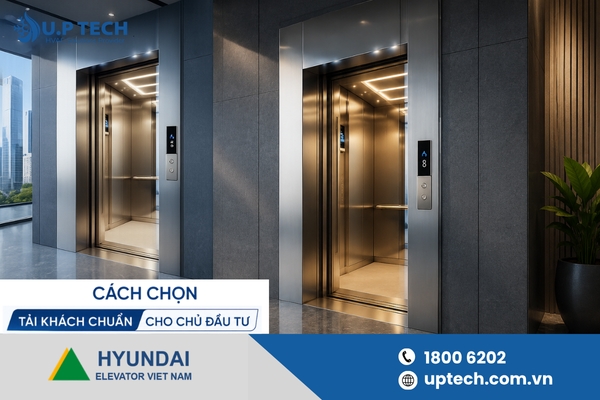
How to Choose the Right Hyundai Elevator Passenger for Investors
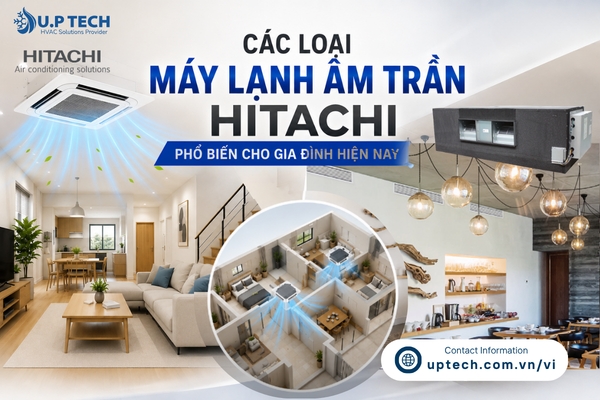
Popular Hitachi ceiling air conditioner models for homes
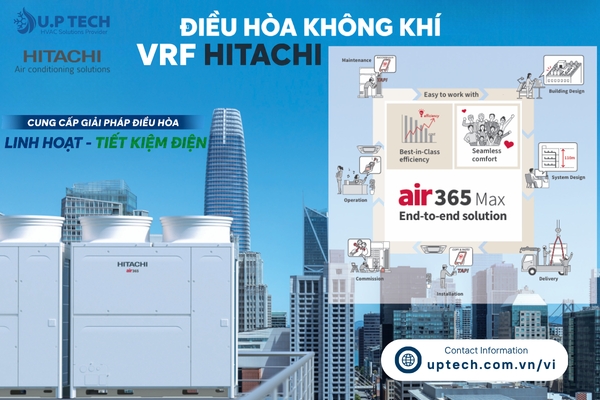
Hitachi Air VRF provide flexible & energy-efficient HVAC for building
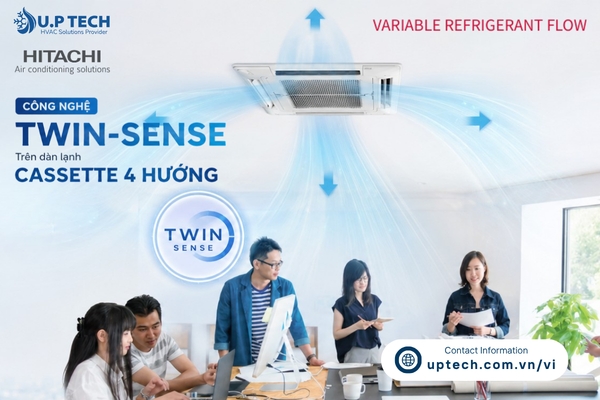
Hitachi Air VRF indoor units feature Twin-Sense 4-way cassette technology
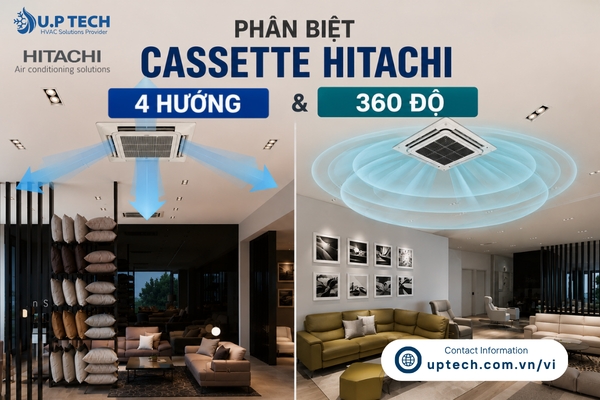
Distinguish Between Cassette Hitachi 4-Way and 360-Degree Cassette
Guide to Choosing and Using a Room Air Conditioner
Evaluating VFD control technology on WVY water-cooled Hitachi air chiller
Hyundai i-XEL elevator safety features comply with EN81 standards, a smart mobility solution
Central Air Conditioning Solution with Hitachi Chiller System Using Screw Compressors
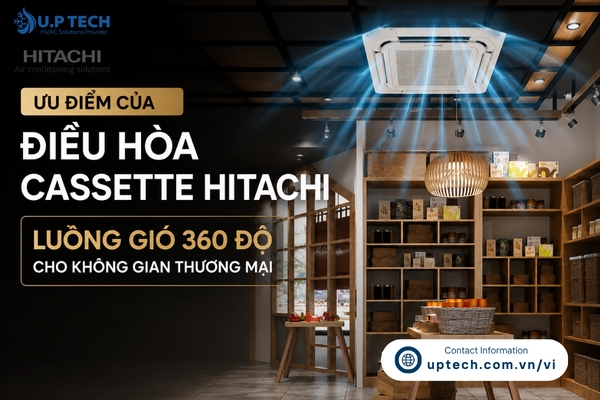
Advantages of Hitachi Cassette Air Conditioners with 360-Degree Airflow for Commercial Spaces
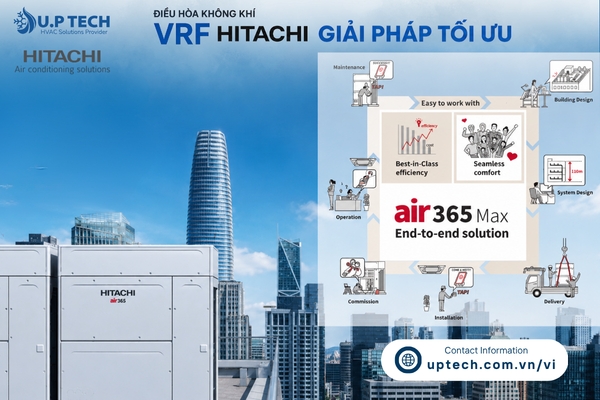
Hitachi VRF Air Conditioning offers optimal solutions for architects, contractors, installers, and investors.
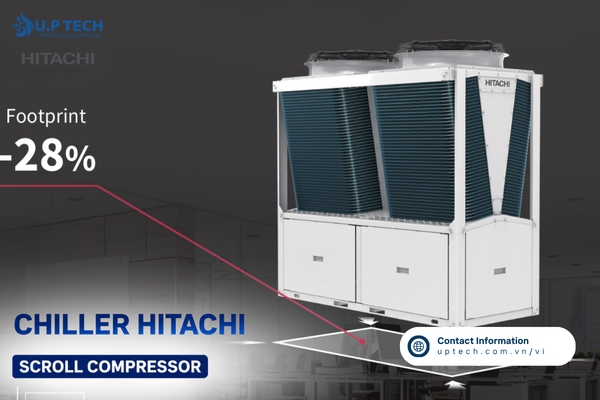
Scroll Compressor Hitachi Air Chiller to Match Capacity
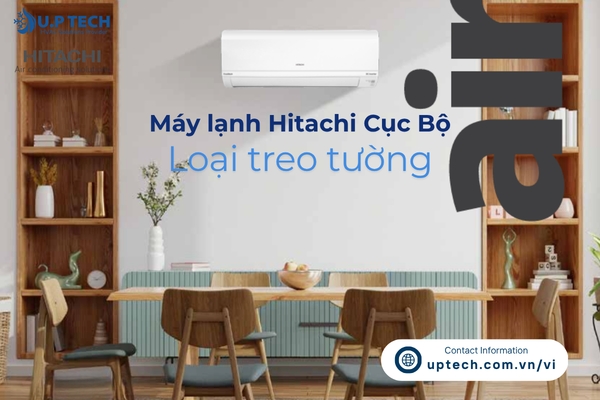
Classification of wall-mounted split air conditioners and tips for choosing the right one
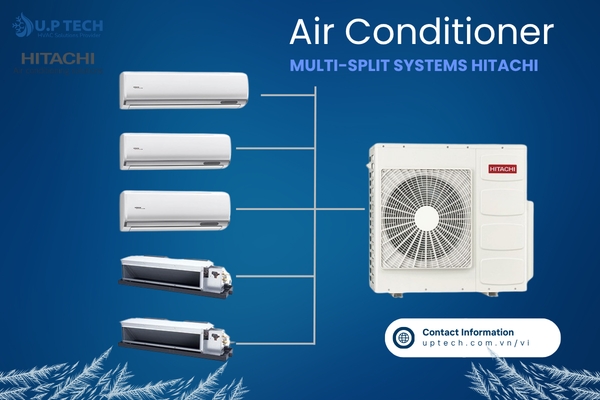
Hitachi Multi-Split 2026: Hiểu Ngôi Nhà Qua Từng Nhịp Sống
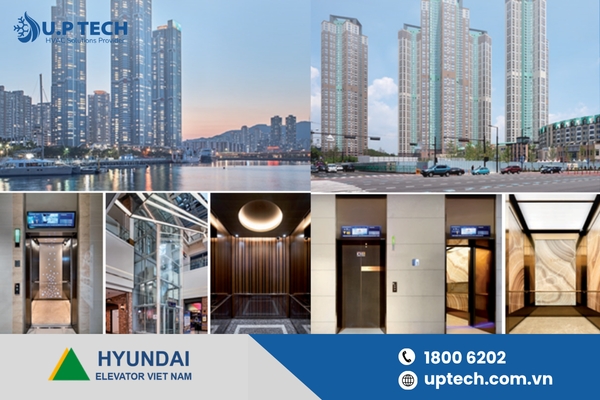
Hyundai i-XEL elevators: The optimal space-saving solution for townhouses
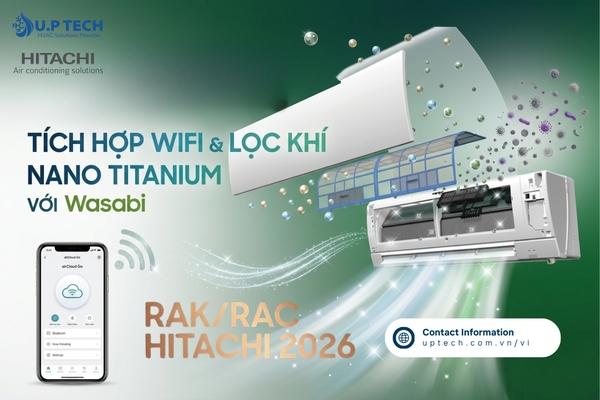
Hitachi RAK/RAC 2026: Integrated Wifi and Nano Titanium Air Purifier
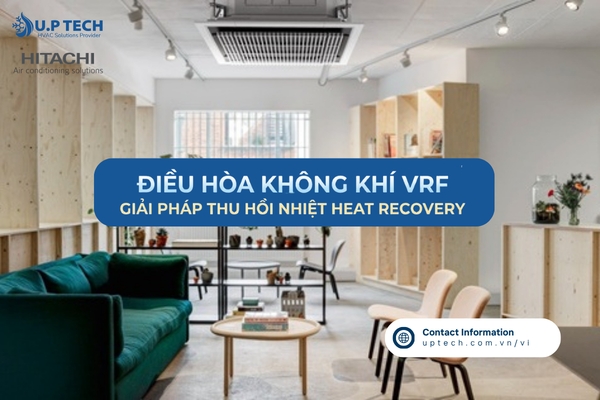
VRF air conditioning and heat recovery solutions
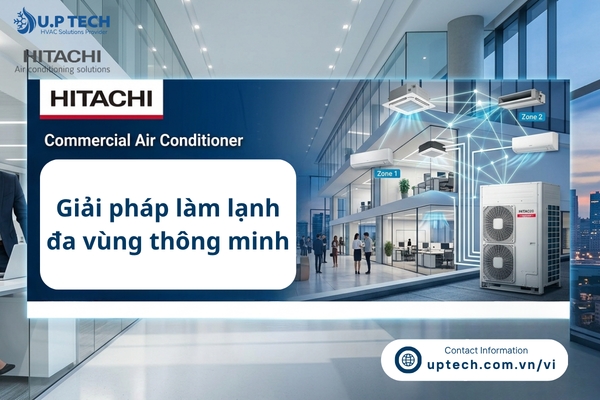
Hitachi Commercial Air Conditioner: Smart Multi-Zone Cooling Solution
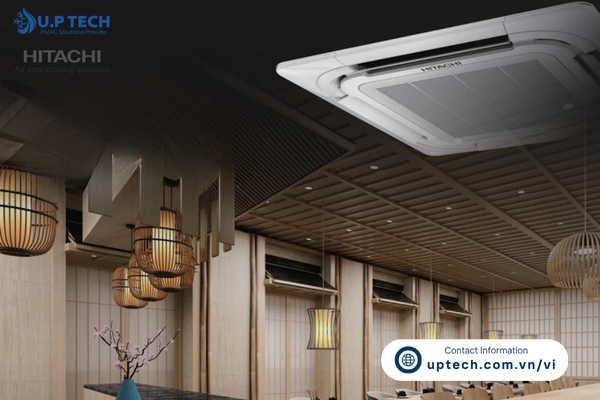
Hitachi Cassette: The optimal ceiling-mounted air conditioning solution for all system configurations
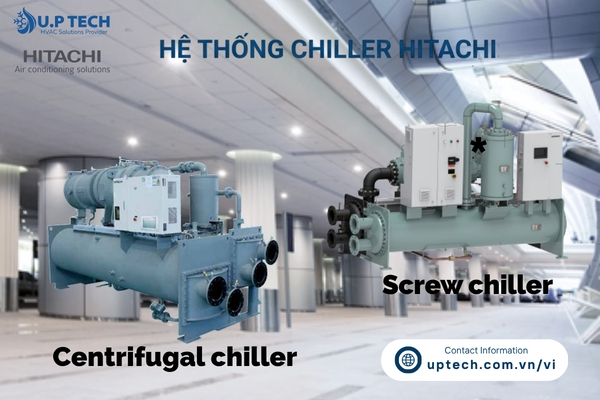
Comparison of Hitachi centrifugal and screw chiller systems
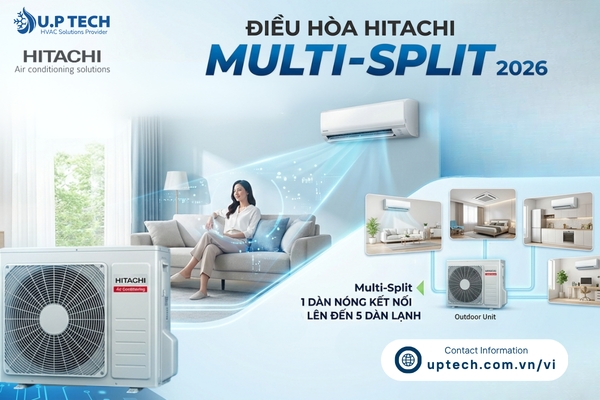
Hitachi Multi-Split 2026 Air Conditioner: A breakthrough with intelligent AI eye sensor
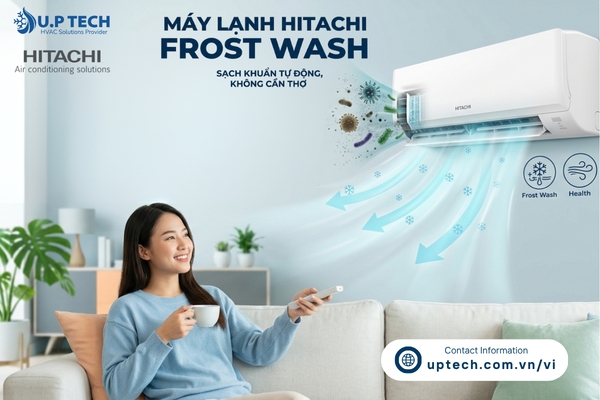
Hitachi Frost Wash air conditioner: The secret to thorough cleaning without a technician
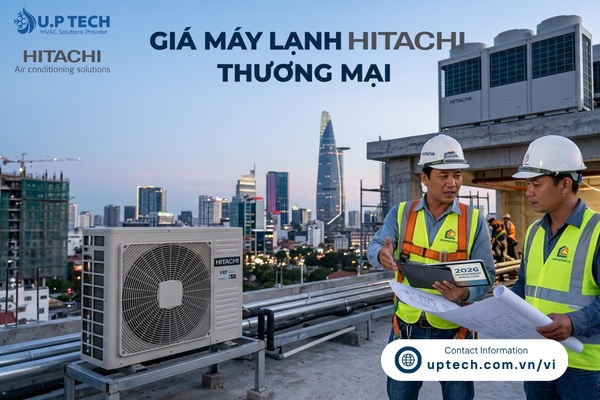
Hitachi commercial air conditioner prices: Investment cost analysis for contractors in 2026
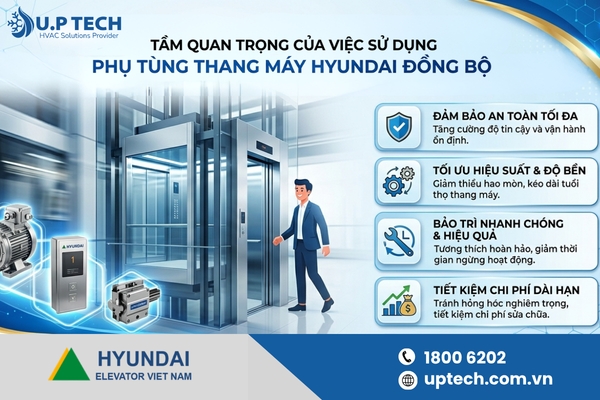
The Importance of Using Genuine Hyundai Elevator Parts
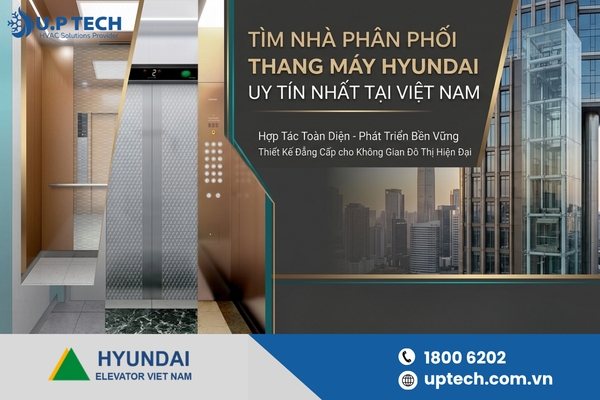
Looking for a reputable Hyundai elevator distributor in Vietnam for your project?
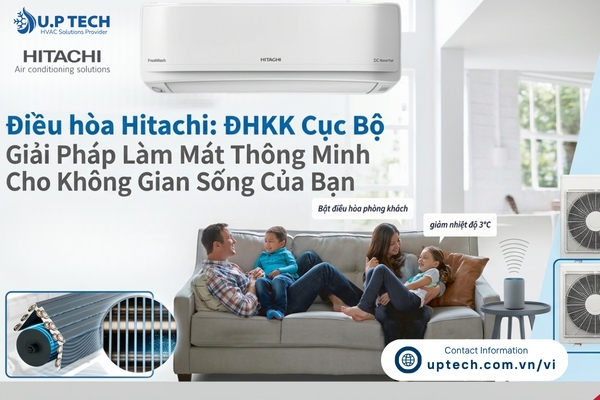
Hitachi Air Conditioners: Local Air Conditioning Systems Offering Smart and Durable Cooling Solutions
Why should high-end projects prioritize Hitachi air conditioners?
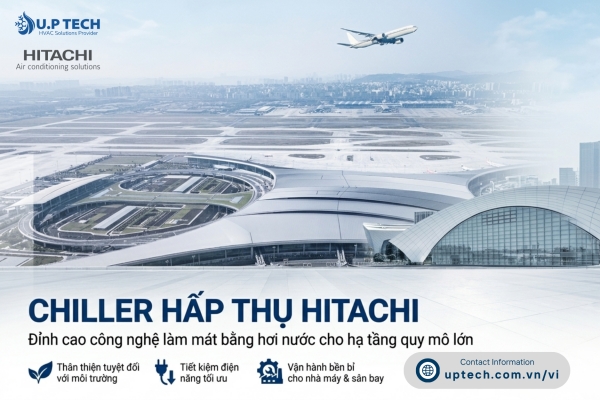
Hitachi Absorption Chiller System – The Pinnacle of Evaporative Cooling Technology for Large Factories
Hitachi RAK/RAC: Exclusive FrostWash self-cleaning technology 2026
Hitachi Commercial air conditioning: A solution that can save up to 35% on electricity by 2026
A compilation of typical Hyundai elevator projects implemented by Up.Tech.
Do Hitachi ceiling-mounted air conditioners really provide even cooling? Analyzing airflow and practical placement.
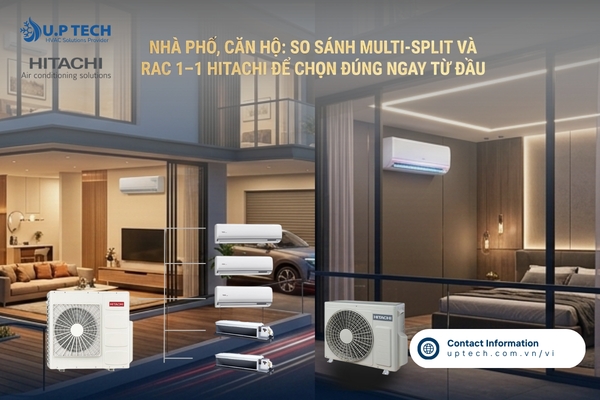
Townhouses and apartments: Comparing Hitachi RAC 1-1 and Multi-Split to make the right choice from the start.

When should you choose Hitachi ducted concealed ceiling air conditioners for your cafe or restaurant?

When should you choose Hitachi Multi-Split instead of multiple separate units for townhouses and apartments?
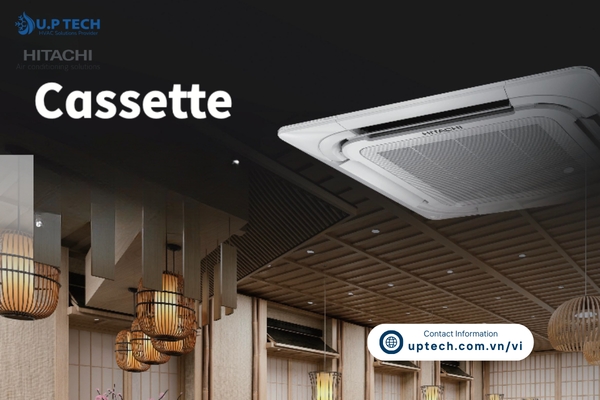
When should you choose Hitachi cassette ceiling-mounted air conditioners for offices and showrooms?
Hitachi Air Chiller Systems in Industrial Environments: Stable Cooling Solutions for Heavy and Continuous Loads
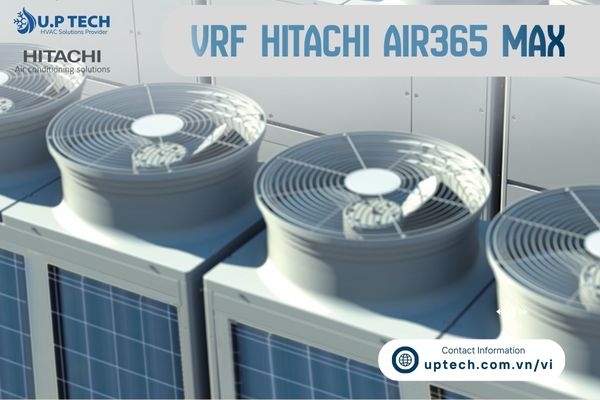
Hitachi Air365 Max VRF air conditioning solution: Energy-saving technology combined with independent zone control
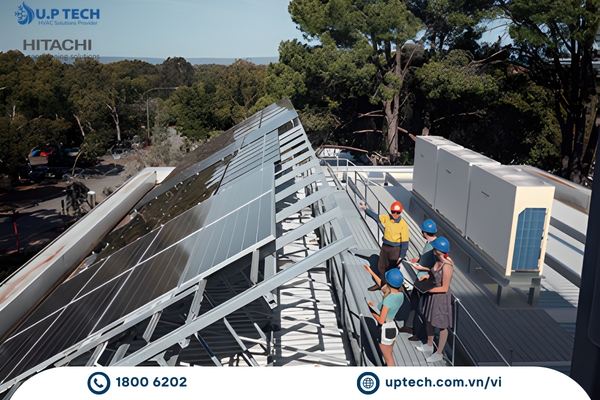
Common misconceptions about Hitachi VRF systems that consumers need clarified
Hitachi Chiller Systems: The ultimate cooling solution for modern factories
Why Do Many Small Projects Choose Hitachi RAC Systems?

Hitachi PAC systems: industrial solutions for construction projects
Developers should pay attention to the issue of ceiling mounted hot and cold water heaters leaking
Top 5 common elevator malfunctions that cause residents to complain
What types of buildings are hitachi air conditioners suitable for how should you choose them for homes offices and factories
Hyundai elevator distributor Uptech brings advanced mobility technology to the digital age
Hyundai Elevator Price List - Latest 2026 Prices at U.P Tech
Hitachi Air Conditioner Distributor: Providing Optimal Solutions for Customers
Authorized Distributor of Genuine Hyundai Elevator Parts in Vietnam
U.P Tech is the distributor of 100% genuine Hitachi spare parts

Authorized Distributor of Genuine Hitachi Air Conditioner
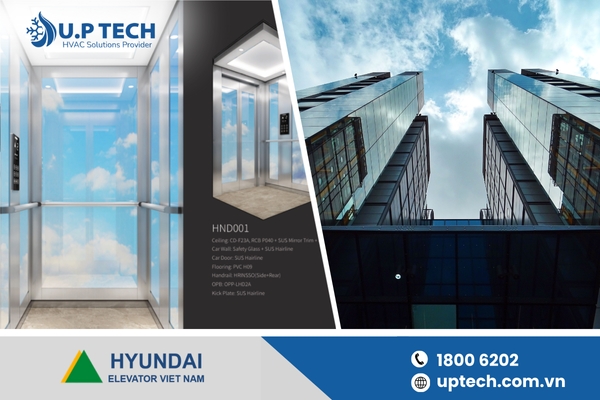
U.P Tech – Distributor of Hyundai (South Korea) Elevators in Vietnam
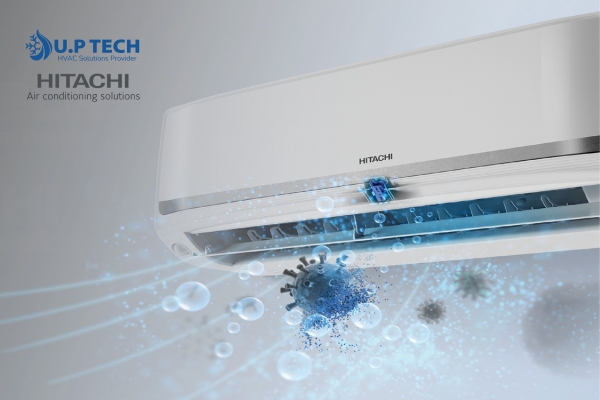
U.P Tech Exclusive Distributor of Hitachi Air Conditioners in Vietnam
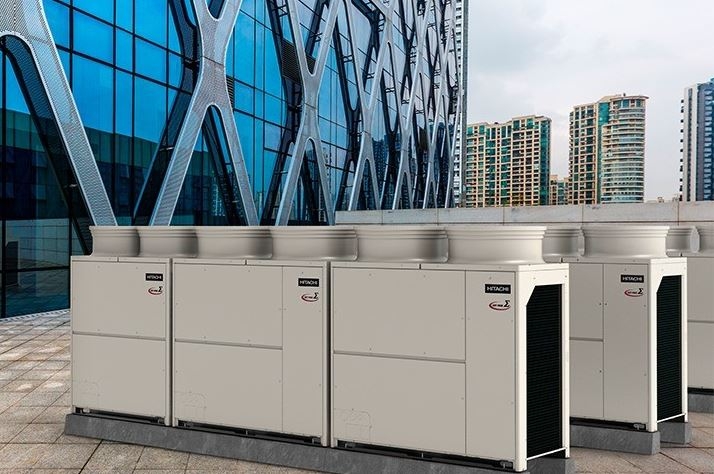
Hitachi VRF solutions
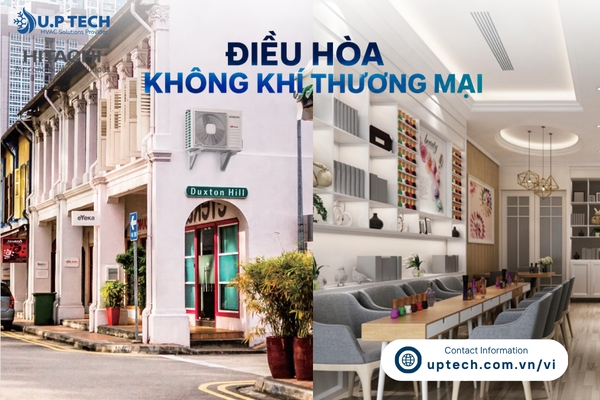
Hitachi Commercial Air Conditioner | Hitachi Air Conditioner

Light Commercial Split Systems

Hitachi Multi – Split Systems - Uptech
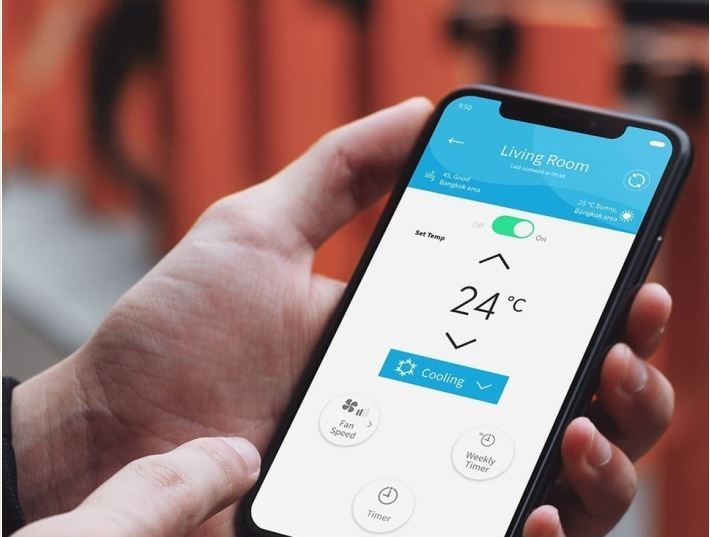
AC Apps & Controllers for home

Hitachi Home Air Conditioning

Hitachi Air Conditioning for Single Room - Room Air Conditioner
Air365 max innovations