



Elevators are transportation devices that demand absolute safety and extremely high stability throughout their operation. Among brands, Hyundai elevators have long asserted their superior strength thanks to leading technology, outstanding performance, and luxurious design. However, after a long period of continuous operation, parts and components will wear out. Choosing and installing genuine Hyundai elevator spare parts according to technical standards plays a crucial role in passenger safety and the lifespan of the building. This article from U.P Tech will summarize the core technical considerations to help investors and management operate elevators accurately, safely, and cost-effectively.
1. Why is choosing the right genuine Hyundai elevator parts important?
Replacing Hyundai elevator parts is not simply a matter of "replacing a part only when it breaks." Every component within a Hyundai elevator system is part of a complex technical chain, requiring strict synchronization of electromechanical specifications and control algorithms.
Ensuring complete compatibility for the device series
Hyundai Elevator is renowned for its next-generation elevator models, such as the Yzer-1 (a machine-room-less or MRL model that reduces hoistway area by up to 21% and pit depth by 350mm) and the Luxen-1 (a small machine-room model utilizing a permanent magnet synchronous motor, or PMSM). These elevators operate using proprietary traction machines and inverter control systems. The use of genuine Hyundai elevator parts ensures perfect system compatibility, preventing circuit board signal conflicts or torque discrepancies.
Meets stringent international safety standards EN81-20/50
All advanced Hyundai elevator models strictly adhere to the European safety standard EN81-20/50. Genuine parts, such as the dual brake system, are capable of independent operation even if one side fails. Replacing them with substandard aftermarket components could disable this emergency safety mechanism, posing a serious safety risk to passengers.
Maintain energy efficiency up to 60%
Hyundai's Luxen-1 elevator series has achieved the stringent Class A energy efficiency certification from the German Society of Engineers (VDI 4707), awarded by the TÜV SÜD testing organization. Thanks to the integration of a regenerative inverter (PWM type), the system is capable of recovering and regenerating up to 60% of electrical energy (energy efficiency reaching 77.5%). Using genuine circuit boards and inverters helps maintain this maximum green efficiency for the entire building.
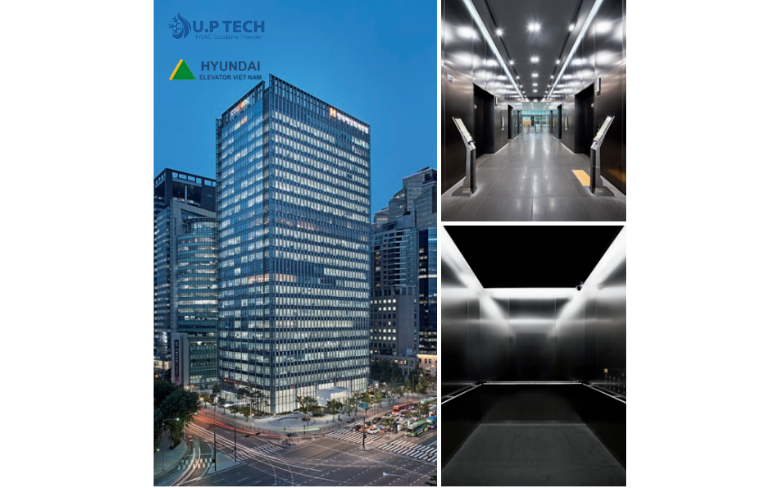
→ See more: U.P Tech supplies genuine Hyundai elevator spare parts
2. Important Hyundai elevator parts that require periodic replacement
During operation and maintenance, technicians should pay attention to inspecting and preparing replacement plans for the following key groups of Hyundai elevator parts:
| Parts group | Component Name & Specifications | Functionality & Safety Standards |
| Traction & Brake System | Gearless motor, dual brake coils, drive pulley, specialized load cable. | Smooth operation, reduced vibration, meets EN81-20/50 standards. Oil-free technology. |
| Circuit boards & control circuits | Central control board (Main COP Board), Regenerative Inverter, cabin door circuit board. | It processes floor call signals, coordinates speed, and recovers up to 60% of excess energy into reusable electricity. |
| Door and Drive Devices | Door operator, multi-beam safety optical sensor, guide shoe. | It automatically reverses direction when encountering an obstacle, opening and closing the door quickly, smoothly, and silently. |
| Clean Moving Equipment | Contactless sensor buttons (10-12mm), foot buttons, and antibacterial handrails. | Preventing bacterial infections and implementing modern hygiene standards for hospitals, offices, and shopping centers. |
→ See more: Discover Machine Room-Less (MRL) technology in Hyundai YZER elevators
3. Key technical considerations when replacing Hyundai elevator parts
To ensure the replacement process is carried out correctly, avoids further damage, and optimizes costs, operating units need to pay attention to the following four technical principles:
Look up the exact Part Number and original catalog specifications
Each Hyundai elevator model (ranging from the Yzer-1 series—with capacities of 400–2,500 kg and speeds of 1.0–2.5 m/s—to the Luxen-1) utilizes specific part codes. Before ordering Hyundai elevator parts, technicians must accurately cross-reference the part number found on the old component with the voltage (V), frequency (Hz), mechanical load specifications, and the technical drawings of the elevator shaft.
Verify the Certificate of Origin (CO) and Certificate of Quality (CQ) thoroughly
Genuine Hyundai parts imported from high-tech factories in Chungju (South Korea) or Shanghai (China) must be accompanied by a Certificate of Origin (CO) and a Certificate of Quality (CQ). This completely eliminates the risk of buying counterfeit or low-quality parts.
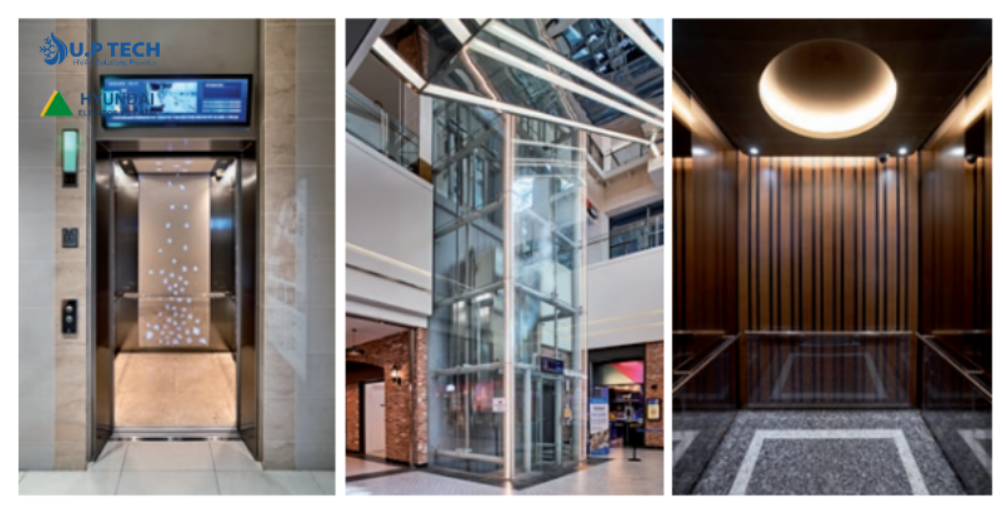
Choosing the right reputable Hyundai elevator distributor is crucial
Seeking cooperation with an official Hyundai elevator distributor in Vietnam like U.P Tech will ensure you receive 100% genuine parts, along with direct technical support from engineers with in-depth knowledge of Hyundai's programming system.
Transparent pricing for Hyundai elevators and components
The pricing of Hyundai elevators and the cost of replacement parts should always be transparent. Reputable suppliers will provide a detailed price list for each item, along with a long-term warranty commitment and on-site technical support.
4. Standard technical procedure for replacing Hyundai elevator parts at U.P Tech
At U.P Tech, the process for handling and replacing Hyundai elevator parts follows five rigorous standardized steps:
Step 1 - Survey and diagnose the problem: U.P Tech technicians directly inspect the elevators, using specialized fault code readers to accurately identify the faulty components.
Step 2 - Consult the appropriate part number: We propose a solution for replacing parts with genuine Hyundai components that match the correct part number, optimizing costs for customers.
Step 3 - Proceed with proper installation: Our team of highly skilled engineers safely disconnects the power supply and replaces components according to the manufacturer's instructions.
Step 4 - System testing and calibration: Voltage measurement, dual brake calibration, load testing, and full safety feature check (door sensors, ELD automatic rescue, limit switches).
Step 5 - Acceptance and Handover: Prepare a technical acceptance report, affix the U.P Tech warranty sticker, and hand over the elevator for safe operation.
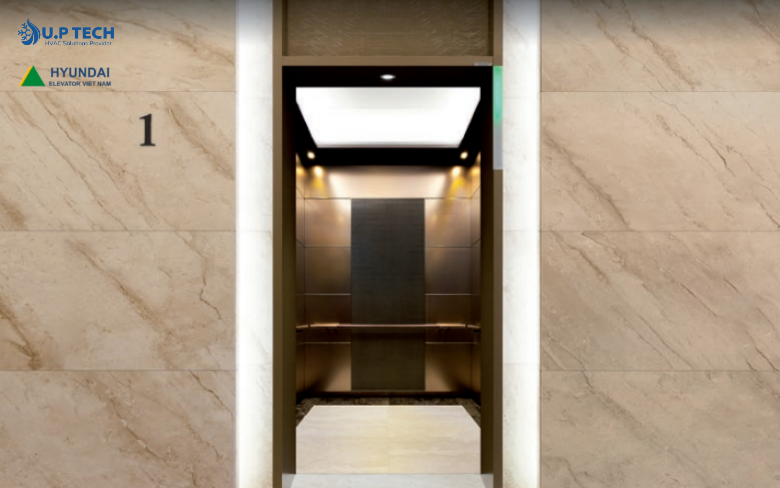
→ See more: How to Choose the Right Hyundai Elevator Passenger for Investors
5. U.P Tech – A reputable supplier of genuine Hyundai elevator parts
U.P Tech is proud to be a professional partner specializing in comprehensive Hyundai elevator solutions and the distribution of genuine Hyundai elevator spare parts in Vietnam. Customers can partner with us with complete confidence, thanks to our outstanding advantages:
- 100% genuine components: We supply a full range of circuit boards, traction machines, inverters, contactless sensor buttons, and antibacterial handrails that meet EN81-20/50/70 standards.
- Readily available spare parts inventory: We ensure a rapid response to urgent replacement needs, minimizing elevator downtime for your building.
- Experienced engineering team: Highly trained in Hyundai Elevator technology, capable of safe and precise troubleshooting.
- Highly competitive pricing: We are committed to providing the best quotes for Hyundai elevators and components.
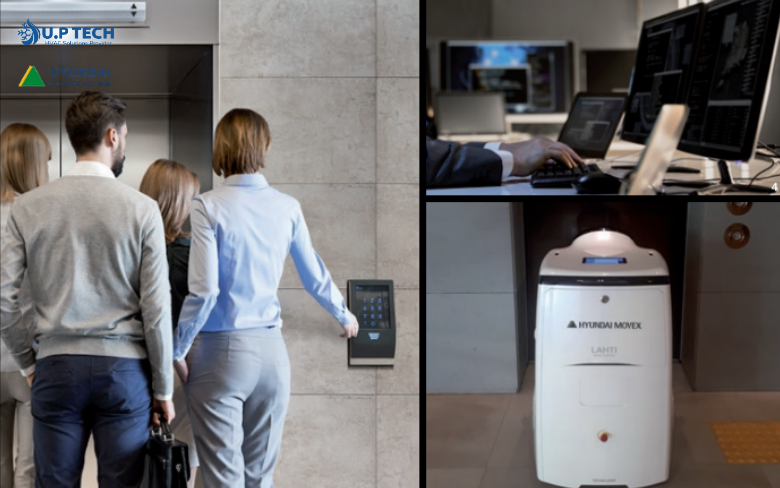
Replacing parts with genuine, technically compliant Hyundai components is crucial for ensuring durable, smooth, and absolutely safe operation for any project. If you are seeking the best maintenance solutions or price quotes for Hyundai elevators, contact U.P Tech —a leading, reputable Hyundai elevator distributor—today to receive expert advice and the most attractive offers!
U.P. TECHNOLOGY AND TRADING CO., LTD.
Hotline: 1800 6202
Email: vu@uptech.com.vn
Website: https://uptech.com.vn
Ho Chi Minh Transaction Office: 370 Cach Mang Thang 8 Street, Nhieu Loc Ward, Ho Chi Minh City
Ha Noi Transaction Office: 14th Floor, ADI Building, Lot HH03, To Huu Street, Ha Dong Ward, Hanoi City
Head Office: D6, Thuan Viet Commercial Area, 319 Ly Thuong Kiet Street, Phu Tho Ward, Ho Chi Minh City.
3 reasons to choose Hitachi Mini VRF Set Free for your air conditioning system
Learn about the built-in Power-Safe mode on Hitachi RAC systems.
Comparing Hitachi RAK/RAC Inverter models with standard non-inverter serie, which solution offers optimal energy efficiency for the bedroom?
Why buy Hitachi Ceiling air conditioner at U.P Tech?
Comparing Hitachi Screw vs. Centrifugal Chiller Systems: Which Is Best for Large-Scale Projects?
Hitachi Inverter Residential Air Conditioners – The optimal solution for filtering out PM2.5 fine dust
Maximize energy efficiency with Hitachi VRF systems: The secret lies in Japanese compressor technology

Guide to Selecting the Right Hyundai Elevator Load Capacity and Dimensions for Office Buildings for Lease
Twin-sense sensor on Cassette Hitachi: Detects floor temperature to help prevent cold feet
Tips for Selecting Capacity and Optimizing Outdoor Unit Placement for Hitachi PAC Systems
Comparing Hitachi airHome 600 and airHome 500 RAC Systems: Choosing the Right Solution for Specific Needs
Points to consider when cleaning Hitachi air conditioners to ensure cooling efficiency
Discover Machine Room-Less (MRL) technology in Hyundai YZER elevators
Hitachi Multi-Split Systems with Built-in Wi-Fi: Easier Remote Air Conditioner Control
What advantages do Hitachi air conditioners using R32 refrigerant have over those using R410A?
How does Inverter technology in Hitachi air conditioners help reduce power consumption?
Hitachi RAK/RAC: Powerful Cooling for instant cooling on hot days
U.P Tech supplies genuine Hyundai elevator spare parts
Comparing Hitachi ducted ceiling air conditioners and cassette ceiling air conditioners: Which one should you choose?
Classification of Hitachi split air conditioning systems
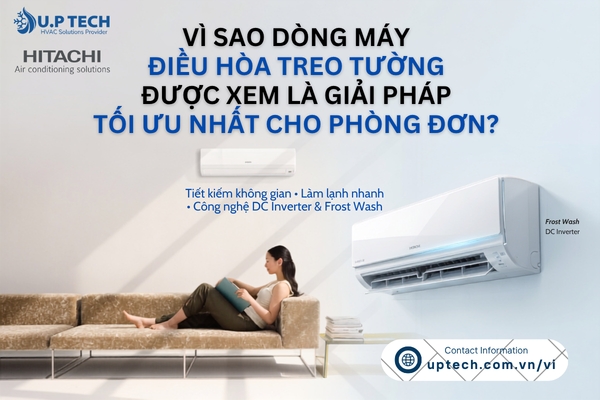
Why Is a Room Air Conditioner the Best Solution for Single Rooms?
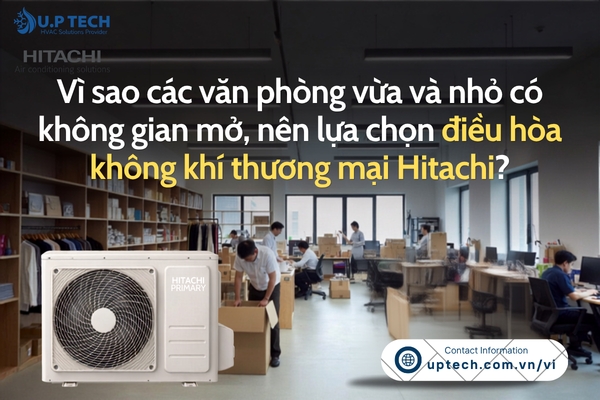
Why should small and medium-sized offices with open spaces choose Hitachi commercial air conditioners?
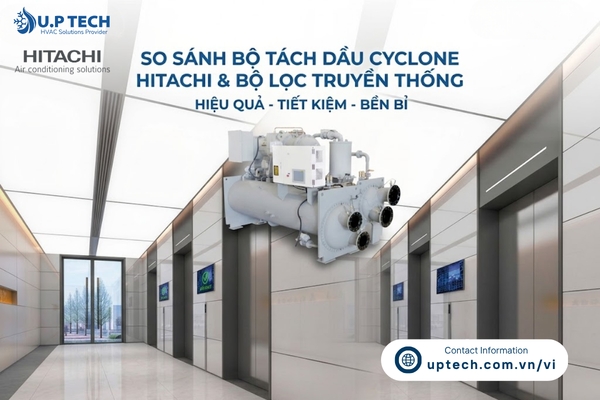
Comparison of Cyclone Oil Separators in Hitachi Chiller Air Conditioners and Traditional Filters
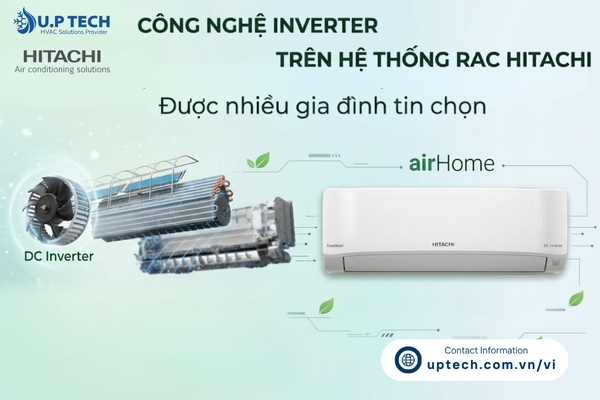
Why is Inverter technology in Hitachi RAC systems a popular choice for many families?
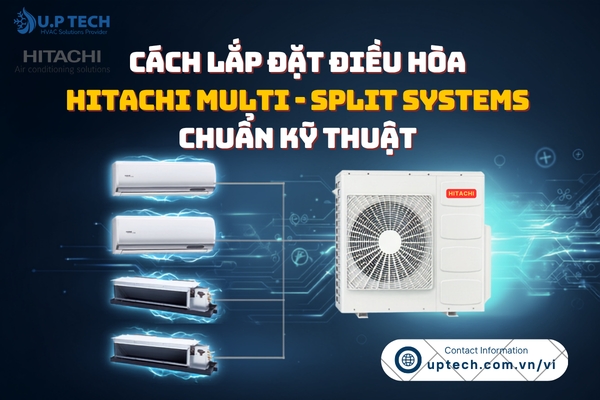
How to properly install Hitachi Multi-Split Systems air conditioners.
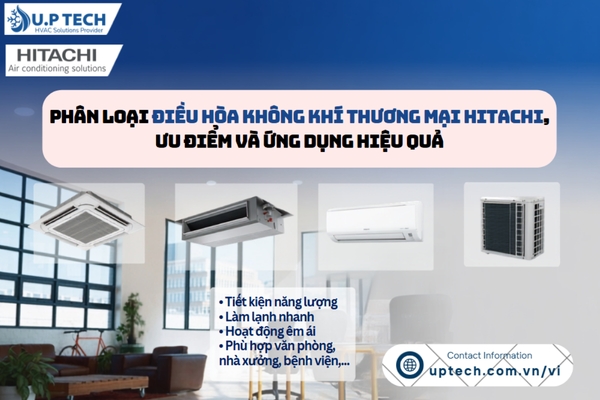
Hitachi Commercial Air Conditioners: Advantages & Applications
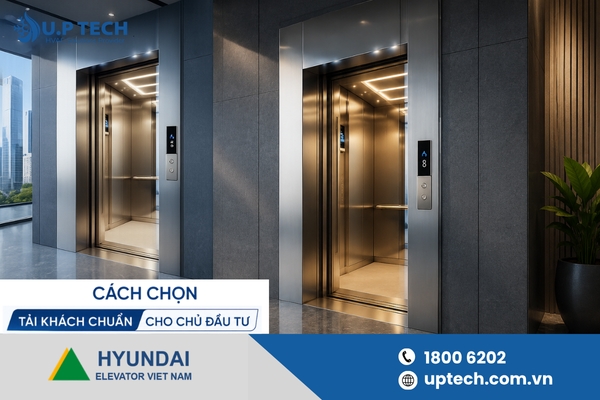
How to Choose the Right Hyundai Elevator Passenger for Investors
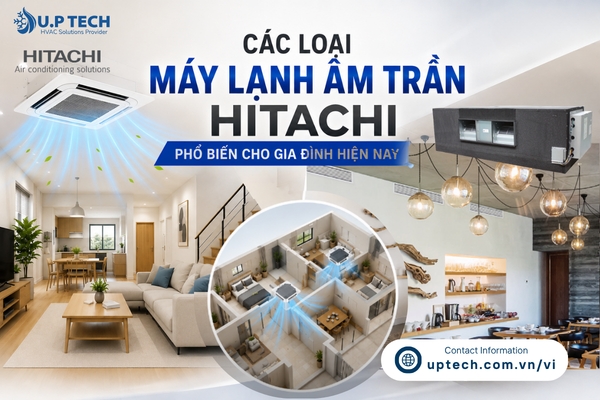
Popular Hitachi ceiling air conditioner models for homes
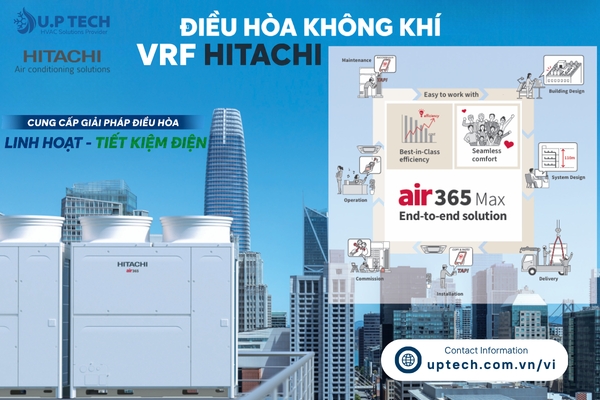
Hitachi Air VRF provide flexible & energy-efficient HVAC for building
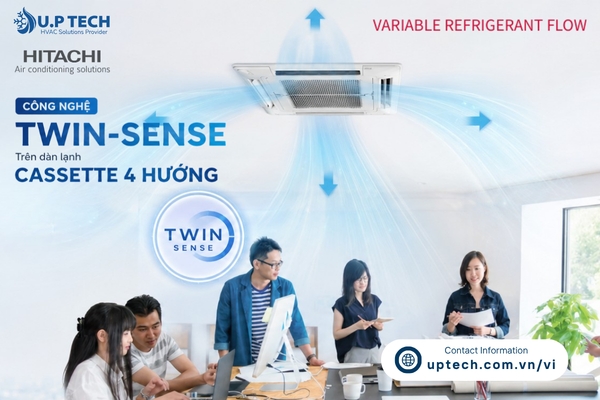
Hitachi Air VRF indoor units feature Twin-Sense 4-way cassette technology
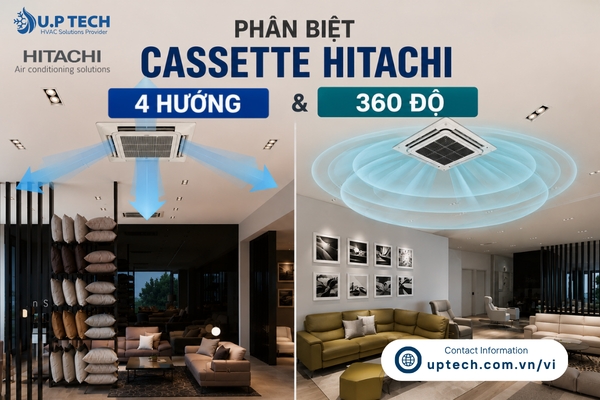
Distinguish Between Cassette Hitachi 4-Way and 360-Degree Cassette
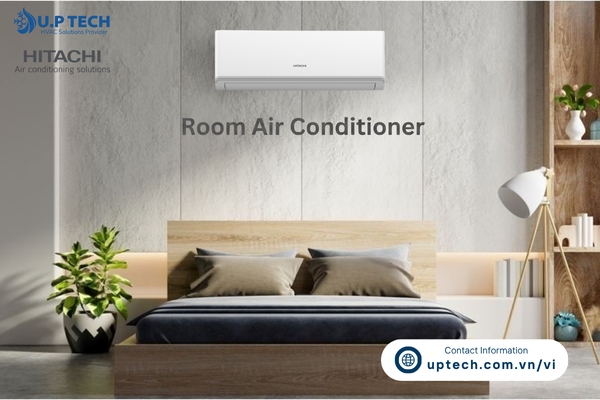
Guide to Choosing and Using a Room Air Conditioner
Evaluating VFD control technology on WVY water-cooled Hitachi air chiller
Hyundai i-XEL elevator safety features comply with EN81 standards, a smart mobility solution
Central Air Conditioning Solution with Hitachi Chiller System Using Screw Compressors
Advantages of Hitachi Cassette Air Conditioners with 360-Degree Airflow for Commercial Spaces
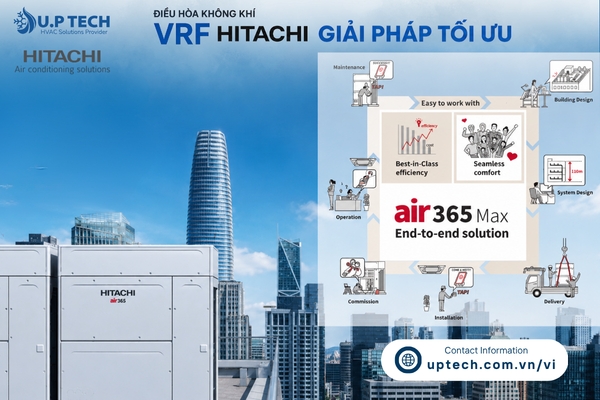
Hitachi VRF Air Conditioning offers optimal solutions for architects, contractors, installers, and investors.
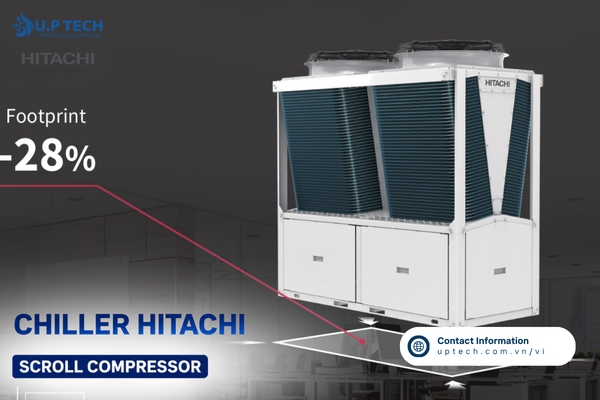
Scroll Compressor Hitachi Air Chiller to Match Capacity
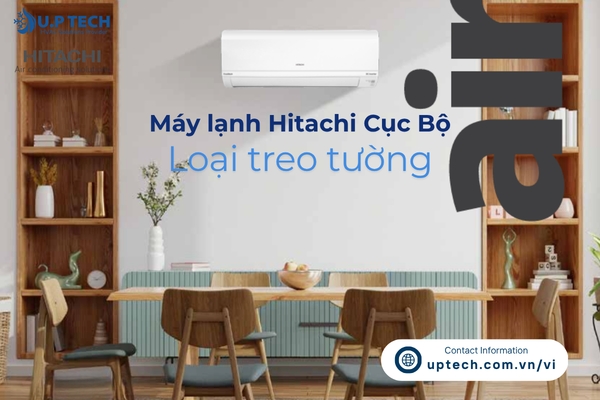
Classification of wall-mounted split air conditioners and tips for choosing the right one
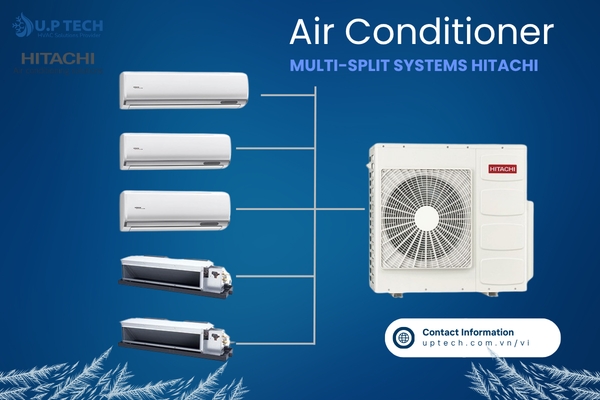
Hitachi Multi-Split 2026: Hiểu Ngôi Nhà Qua Từng Nhịp Sống
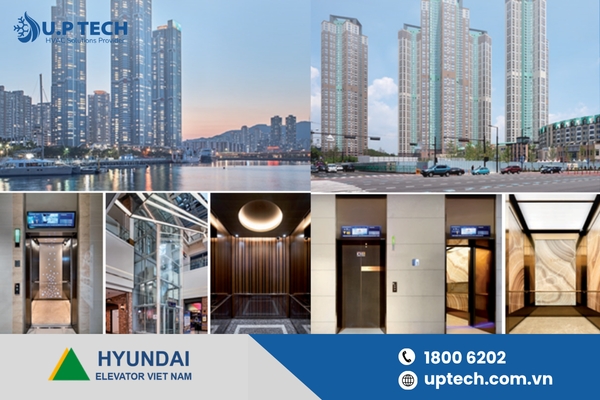
Hyundai i-XEL elevators: The optimal space-saving solution for townhouses
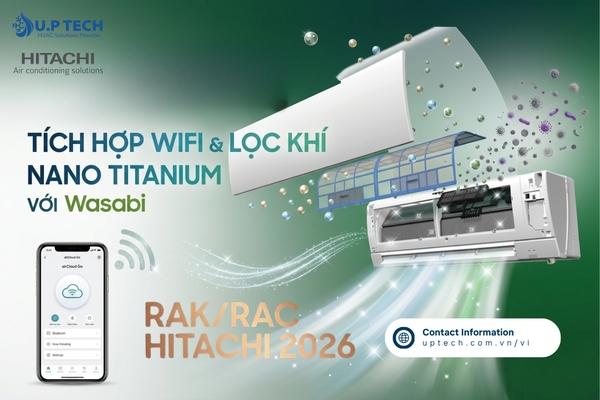
Hitachi RAK/RAC 2026: Integrated Wifi and Nano Titanium Air Purifier
VRF air conditioning and heat recovery solutions
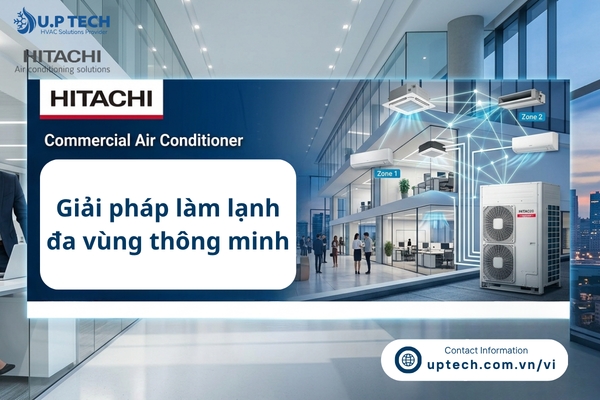
Hitachi Commercial Air Conditioner: Smart Multi-Zone Cooling Solution
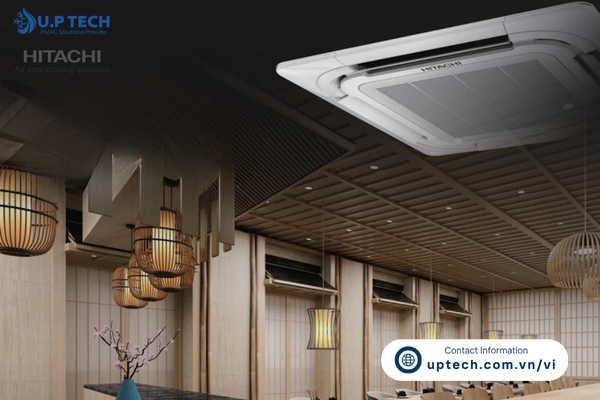
Hitachi Cassette: The optimal ceiling-mounted air conditioning solution for all system configurations
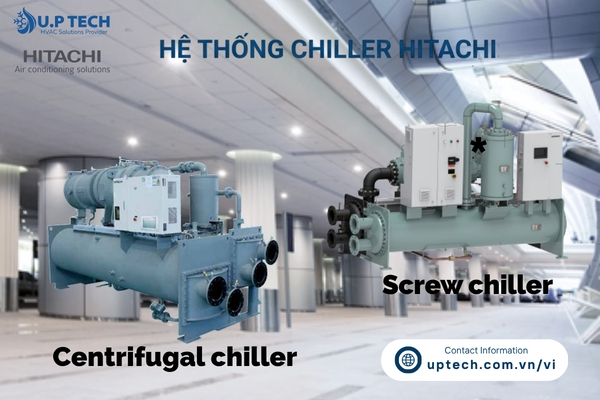
Comparison of Hitachi centrifugal and screw chiller systems
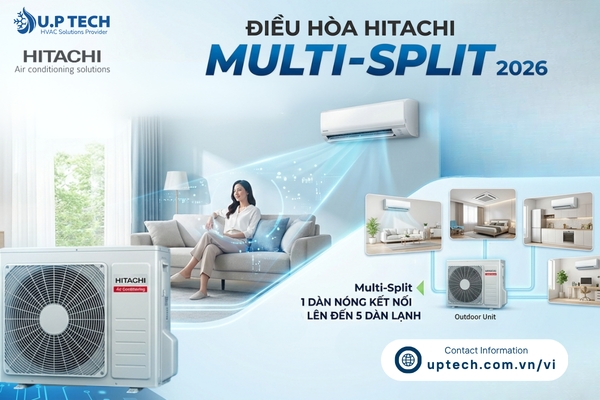
Hitachi Multi-Split 2026 Air Conditioner: A breakthrough with intelligent AI eye sensor
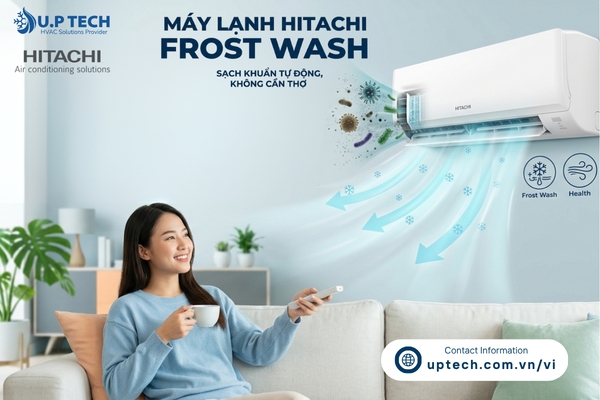
Hitachi Frost Wash air conditioner: The secret to thorough cleaning without a technician
Hitachi commercial air conditioner prices: Investment cost analysis for contractors in 2026
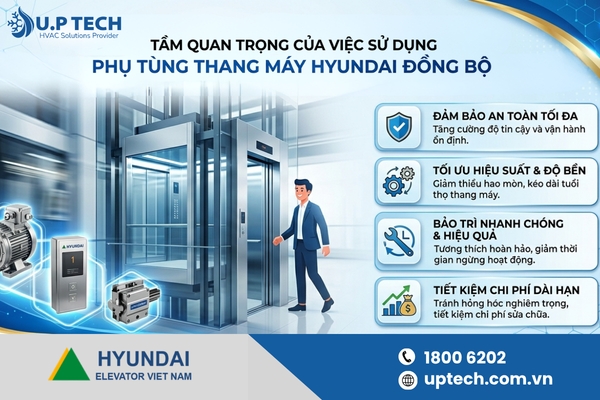
The Importance of Using Genuine Hyundai Elevator Parts
Looking for a reputable Hyundai elevator distributor in Vietnam for your project?
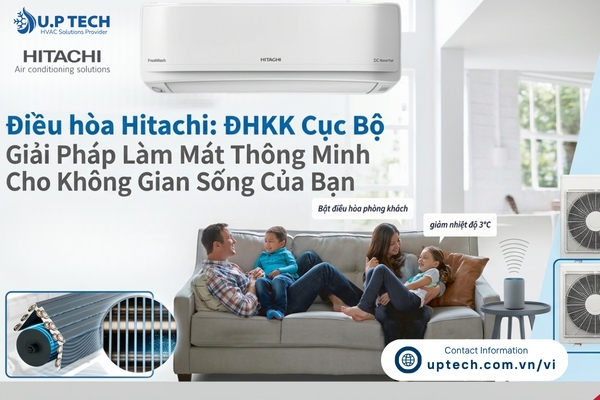
Hitachi Air Conditioners: Local Air Conditioning Systems Offering Smart and Durable Cooling Solutions
Why should high-end projects prioritize Hitachi air conditioners?
Hitachi Absorption Chiller System – The Pinnacle of Evaporative Cooling Technology for Large Factories
Hitachi RAK/RAC: Exclusive FrostWash self-cleaning technology 2026
Hitachi Commercial air conditioning: A solution that can save up to 35% on electricity by 2026
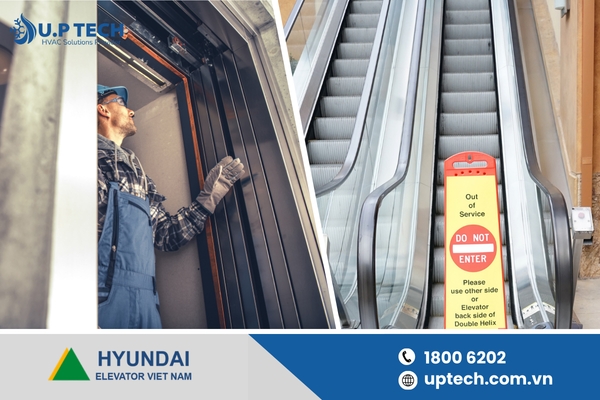
When is elevator maintenance and replacement of genuine Hyundai elevator parts necessary?
A compilation of typical Hyundai elevator projects implemented by Up.Tech.
Do Hitachi ceiling-mounted air conditioners really provide even cooling? Analyzing airflow and practical placement.
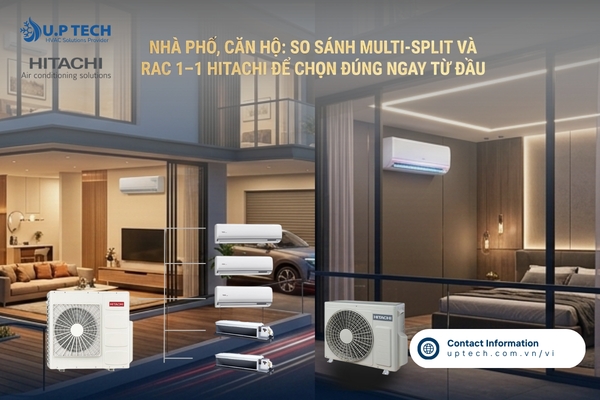
Townhouses and apartments: Comparing Hitachi RAC 1-1 and Multi-Split to make the right choice from the start.

When should you choose Hitachi ducted concealed ceiling air conditioners for your cafe or restaurant?

When should you choose Hitachi Multi-Split instead of multiple separate units for townhouses and apartments?
When should you choose Hitachi cassette ceiling-mounted air conditioners for offices and showrooms?
Hitachi Air Chiller Systems in Industrial Environments: Stable Cooling Solutions for Heavy and Continuous Loads
Hitachi Air365 Max VRF air conditioning solution: Energy-saving technology combined with independent zone control
Common misconceptions about Hitachi VRF systems that consumers need clarified
Hitachi Chiller Systems: The ultimate cooling solution for modern factories
Why Do Many Small Projects Choose Hitachi RAC Systems?

Hitachi PAC systems: industrial solutions for construction projects
Developers should pay attention to the issue of ceiling mounted hot and cold water heaters leaking
Top 5 common elevator malfunctions that cause residents to complain
What types of buildings are hitachi air conditioners suitable for how should you choose them for homes offices and factories
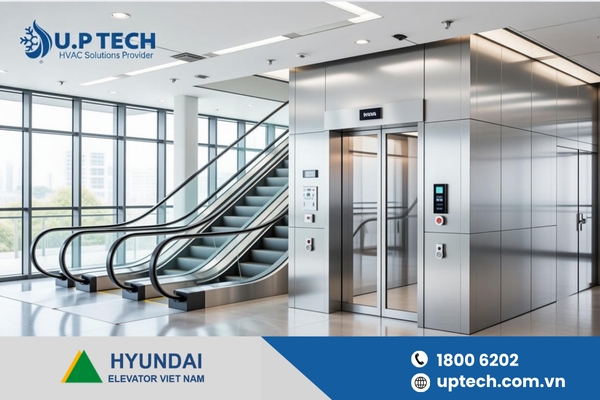
Hyundai elevator distributor Uptech brings advanced mobility technology to the digital age
Hyundai Elevator Price List - Latest 2026 Prices at U.P Tech
Hitachi Air Conditioner Distributor: Providing Optimal Solutions for Customers
Authorized Distributor of Genuine Hyundai Elevator Parts in Vietnam
U.P Tech is the distributor of 100% genuine Hitachi spare parts

Authorized Distributor of Genuine Hitachi Air Conditioner
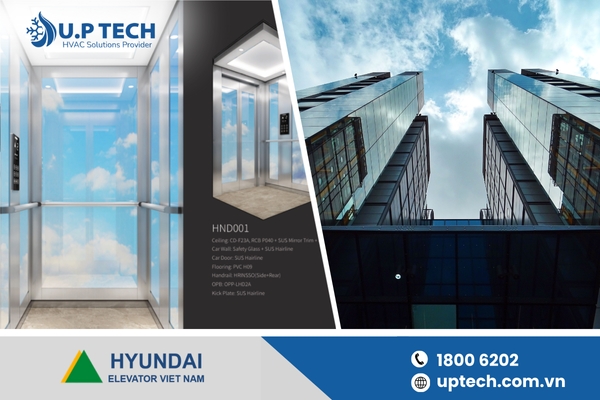
U.P Tech – Distributor of Hyundai (South Korea) Elevators in Vietnam
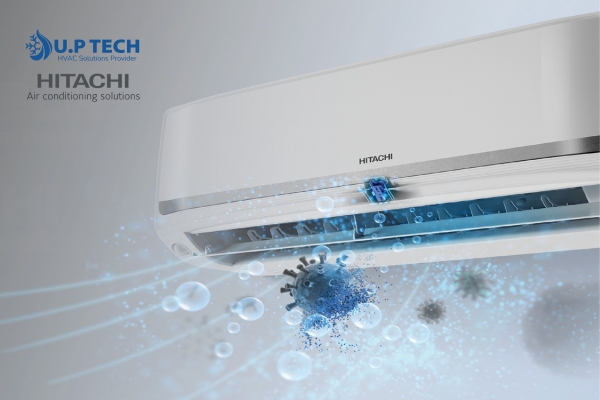
U.P Tech Exclusive Distributor of Hitachi Air Conditioners in Vietnam
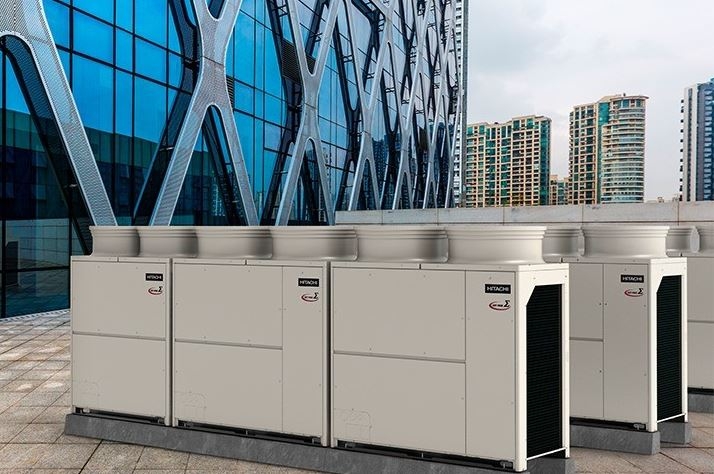
Hitachi VRF solutions
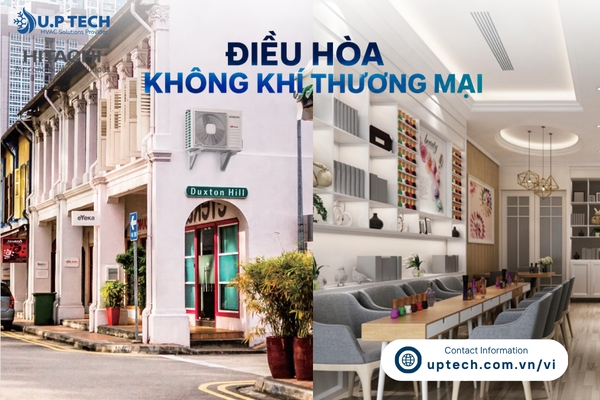
Hitachi Commercial Air Conditioner | Hitachi Air Conditioner

Light Commercial Split Systems

Hitachi Multi – Split Systems - Uptech
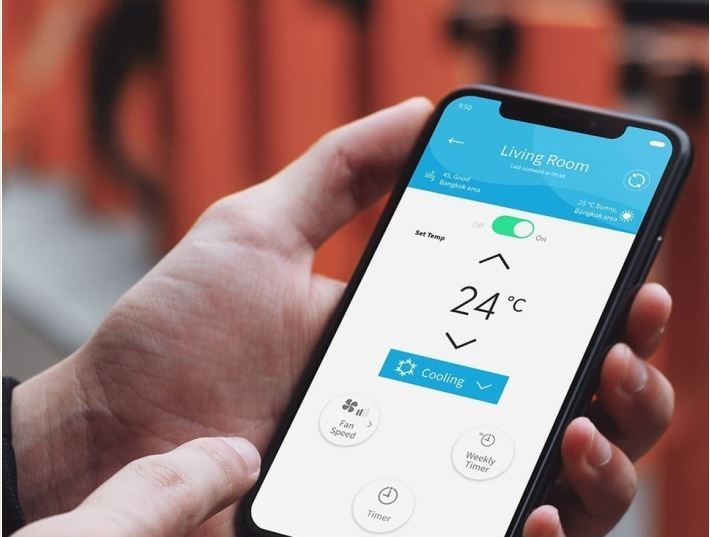
AC Apps & Controllers for home

Hitachi Home Air Conditioning

Hitachi Air Conditioning for Single Room - Room Air Conditioner
Air365 max innovations