



When designing a retail store with multiple partitions, using partitions to divide display areas, checkout counters, fitting rooms, and workspaces is a common way to optimize functionality. However, a layout with multiple partitions can directly affect how air is distributed and circulated throughout the air conditioning system.
If the system is not properly designed, cool air may concentrate in certain areas, while spaces behind partitions may not reach the desired temperature. This not only affects the comfort of customers and employees but can also reduce the overall operating efficiency of the system.
To address this issue, the layout of Hitachi commercial air conditioning systems should be planned based on the building's architectural features, cooling load, and usage requirements of each area. Below are some important factors to consider during the system design and installation process.
Common Challenges When Installing Air Conditioning in Retail Stores
Spaces divided into multiple areas often have different usage patterns and air circulation conditions. These factors can directly affect cooling performance if the air conditioning system is not properly designed.
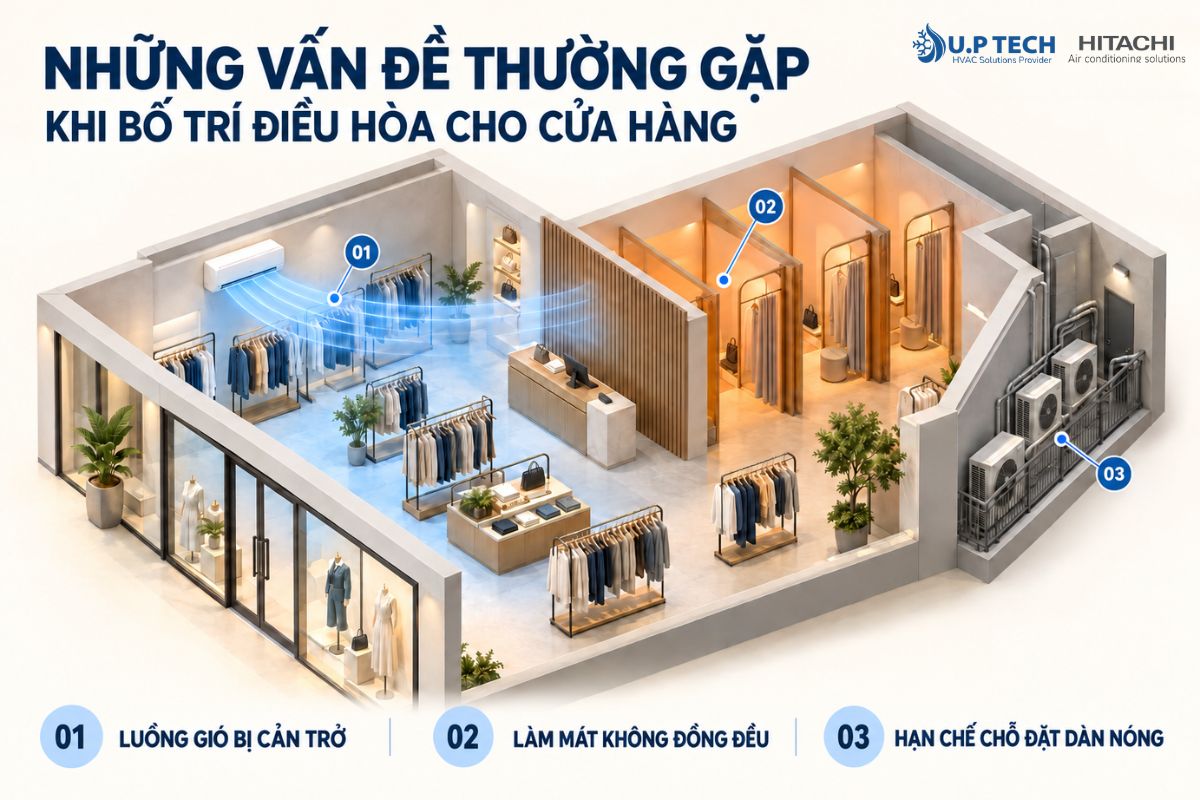
Restricted Airflow Caused by Partitions
Tall partitions, display cabinets, and enclosed areas can obstruct airflow from indoor units. As a result, areas close to the equipment may reach the desired temperature, while spaces behind partitions may remain insufficiently cool.
Different Cooling Requirements Across Areas
Within the same retail store, display areas, checkout counters, fitting rooms, and storage spaces may have different cooling requirements. For example, display areas often generate more heat due to lighting systems and high customer traffic, while fitting rooms or workspaces may require separate cooling conditions. If a single indoor unit is used without properly calculating its air distribution coverage, maintaining consistent cooling throughout the store can be difficult.
Limited Space for Outdoor Unit Installation
Installing multiple independent air conditioners means that a corresponding number of outdoor units must also be accommodated. For stores located in shopping malls, townhouses, or buildings with limited technical space, this can present an installation challenge. Therefore, air conditioning solutions that allow multiple indoor units to connect to a single outdoor unit can simplify equipment layout and make more efficient use of available installation space.
Key Considerations When Installing Hitachi Commercial Air Conditioning Systems
To ensure effective cooling in retail stores with multiple partitions, several factors must be considered together, including indoor unit placement, equipment capacity, air distribution, and system configuration.
Survey the Layout and Divide Cooling Zones
Before selecting equipment, the entire premises should be surveyed to determine the floor area, ceiling height, number and structure of partitions, and intended use of each space. Other factors should also be assessed, including the number of people during peak hours, heat generated by lighting systems and electrical equipment, glass door and window areas, as well as the available locations for outdoor units and refrigerant piping.
These details provide the basis for calculating the cooling load, determining the number and capacity of indoor units, and selecting an appropriate system configuration. This helps ensure that the system can meet the cooling requirements of the entire store.
Position Indoor Units According to Functional Areas
In layouts with multiple partitions, indoor units should be positioned according to the area, shape, and function of each space to ensure effective air distribution. During installation, avoid locations where partitions or display shelves obstruct the airflow direction, and minimize direct cold air drafts toward areas frequently occupied by customers and employees. In addition, sufficient clearance should be maintained around each unit to allow proper air intake and distribution, as well as convenient access for cleaning, inspection, and routine maintenance.
Calculate Capacity Based on Actual Cooling Loads
Air conditioning capacity should be determined based on the building's actual cooling load rather than the total floor area alone. For retail stores with multiple functional areas, factors affecting heat gain should be considered, including the number of occupants, electrical equipment, lighting systems, glass surface area, and heat exchange with the outdoor environment.
Calculating the cooling load for each area helps determine the appropriate indoor unit capacity while also establishing the total connected capacity and outdoor unit configuration within the technical limits of each Hitachi air conditioning system.
Plan Refrigerant Piping and Outdoor Unit Locations
When using a system in which multiple indoor units connect to one outdoor unit, the refrigerant piping network must be calculated and designed as an integrated system from the outset. Key factors include total piping length, height differences between indoor and outdoor units, branch locations, and the connection limits specified for each model.
The outdoor unit should also be installed in a well-ventilated location, with sufficient space for heat exchange with the surrounding environment and convenient access for inspection and maintenance. Proper system design helps maintain operating conditions and minimize technical issues during use.
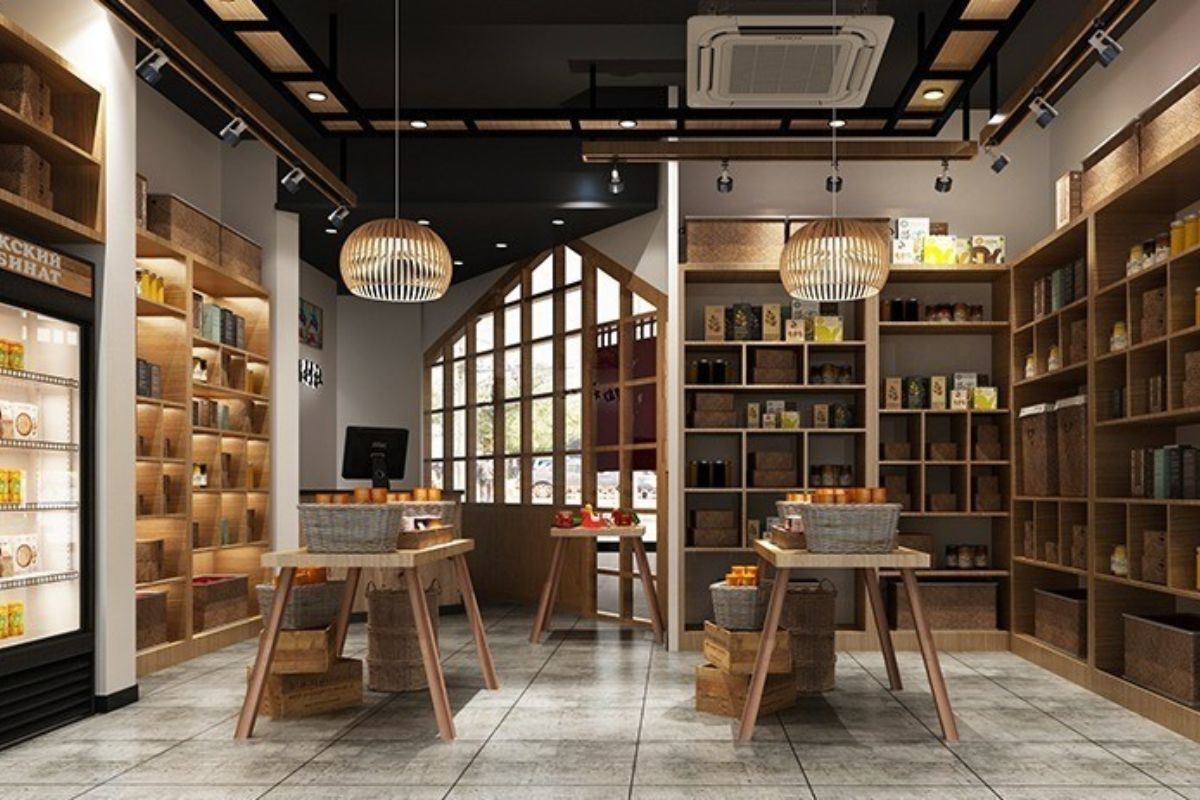
Hitachi Solutions for Connecting Multiple Indoor Units to One Outdoor Unit
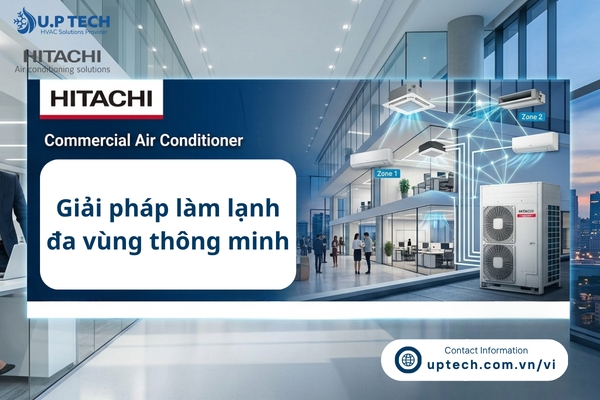
For retail stores with multiple functional areas separated by partitions, Hitachi offers two solutions worth considering: Hitachi commercial air conditioning systems and Hitachi Mini VRF Set Free systems. Both offer configurations suitable for layouts requiring multiple indoor units connected to a shared outdoor unit.
Depending on the floor area, number of cooling zones, cooling load, and operating requirements, investors can select an appropriate solution to optimize installation space, ensure effective air distribution, and meet the needs of each area.
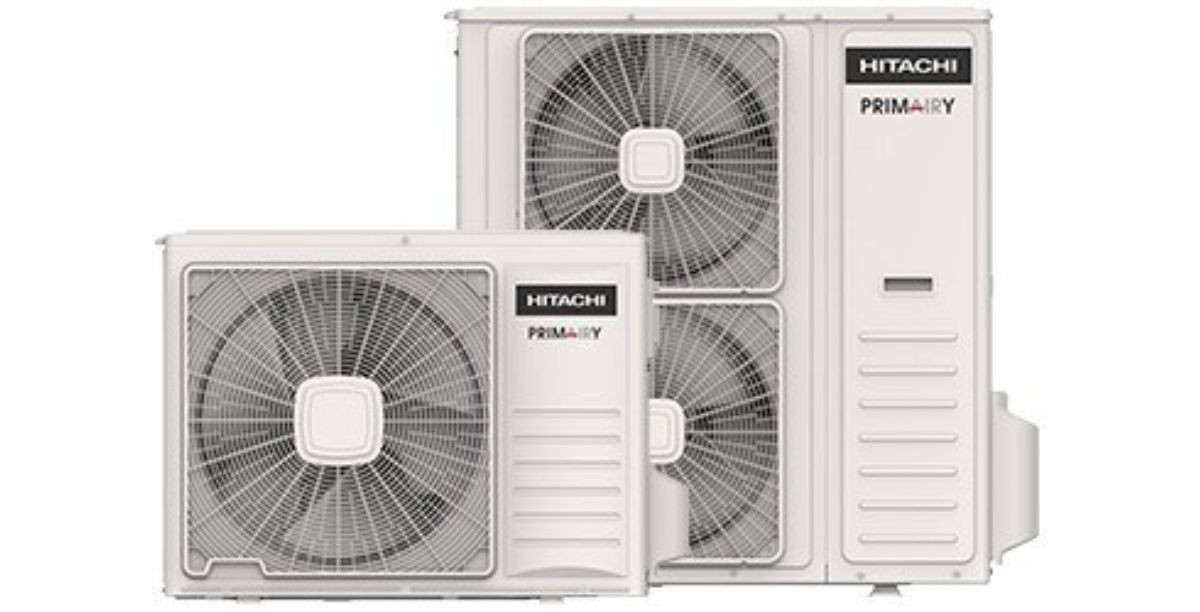
Hitachi Commercial Air Conditioning Systems
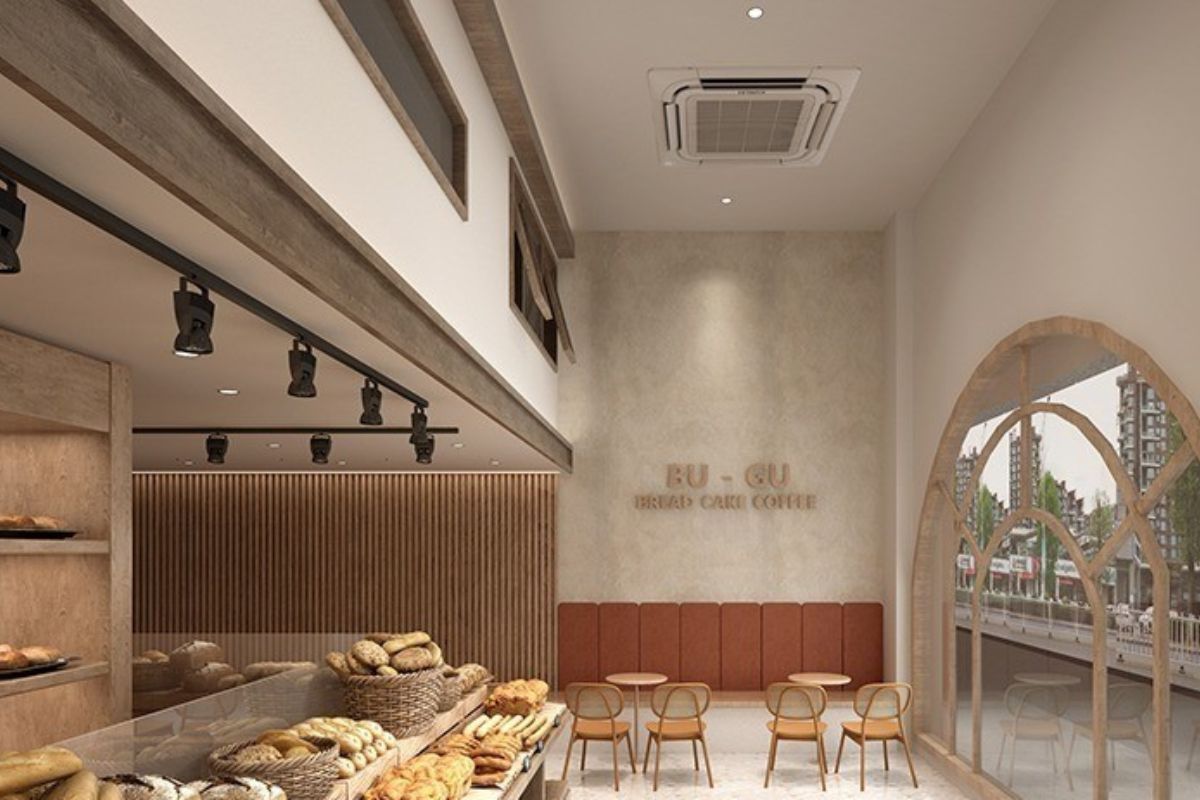
Hitachi commercial air conditioning systems offer a variety of indoor unit options to meet installation and air distribution requirements in commercial spaces such as retail stores, showrooms, offices, and restaurants. Depending on the ceiling design, usable area, and interior layout, projects can choose from ceiling cassette, concealed duct, and floor/ceiling indoor units.
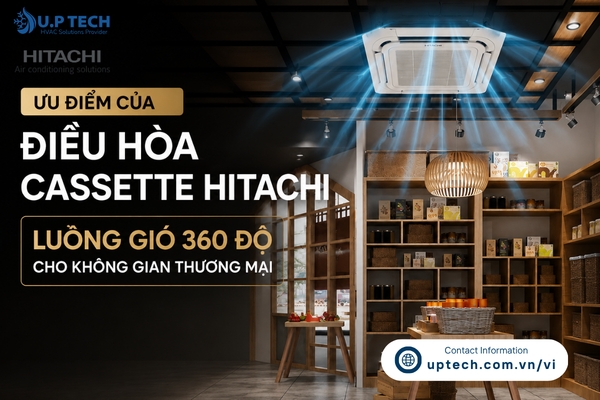
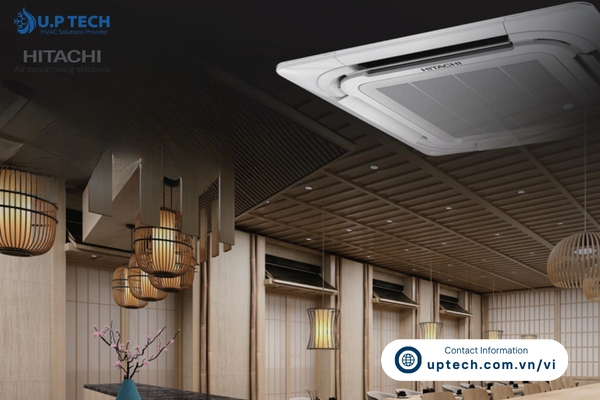
Among these options, Hitachi ceiling cassette units are suitable for areas with ceilings that allow recessed installation and require relatively even air distribution. Concealed duct units allow air outlets to be positioned at multiple locations, making them suitable for layouts with partitions or spaces that require air to be distributed to separate areas. For locations where ceiling installation is not practical, floor/ceiling units are another option to consider.
With a diverse range of indoor unit designs and system configurations, Hitachi commercial air conditioning can accommodate various installation arrangements in retail stores and commercial buildings. Equipment selection should be based on the area of each zone, the degree of space division, and actual temperature control requirements.
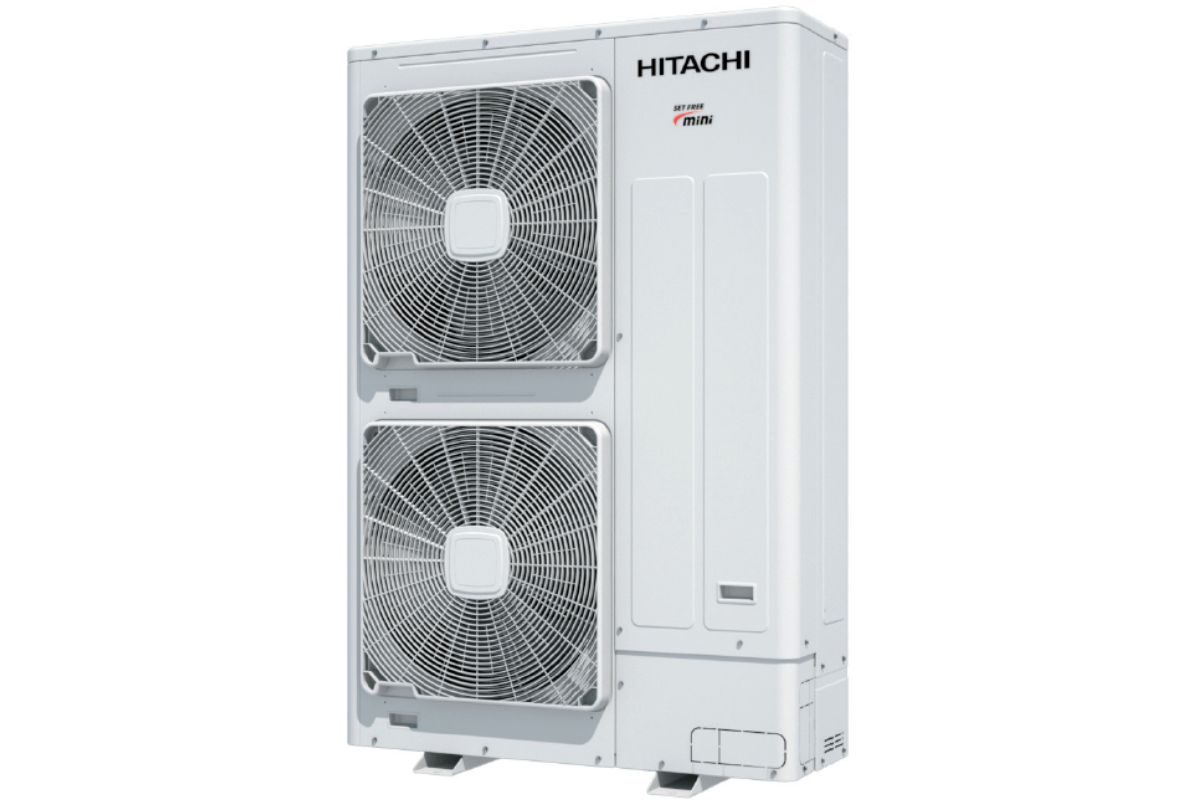
Hitachi Mini VRF Set Free System
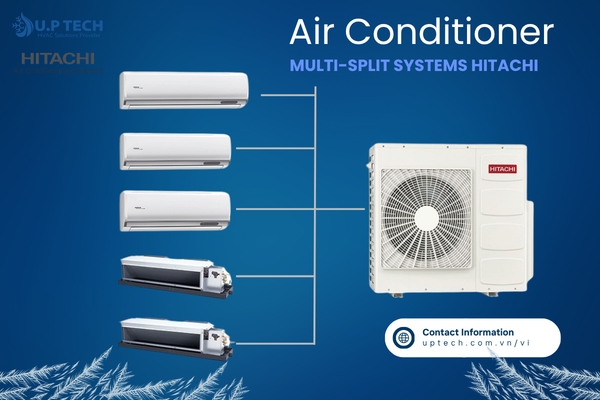
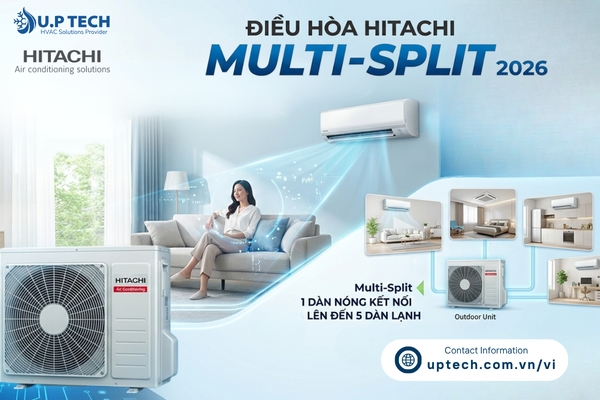
For stores with complex layouts, multiple functional areas, or a need to connect a larger number of indoor units, the Hitachi Mini VRF Set Free system is a highly suitable solution worth considering. The Mini VRF Set Free HNRQ and HNSKQ series are designed around a configuration in which one outdoor unit connects to multiple indoor units. This allows the system to provide cooling for different spaces within the same building without requiring a separate outdoor unit for each indoor unit.
Hitachi Mini VRF Set Free features compact outdoor units, supports multiple indoor unit connections, and offers flexible piping arrangements. These features help optimize installation space and accommodate layouts with multiple functional areas. In terms of efficiency, the HNRQ series achieves an EER of up to 4.5 and a COP of up to 4.59, while the HNSKQ series achieves an EER of up to 4.0 and a COP of up to 4.2. With these characteristics, the system is worth considering for large retail stores, showrooms, offices, and commercial buildings requiring air conditioning across multiple areas.
U.P Tech - Official Exclusive Distributor of Hitachi Air Conditioners in Vietnam
For retail stores with multiple partitions, selecting an air conditioning system requires careful consideration of the layout, division of functional areas, and actual usage requirements. The right solution should not only provide effective cooling but also optimize equipment placement and support long-term operating efficiency.
As an official distributor of Hitachi air conditioning systems in Vietnam, U.P Tech offers a wide range of commercial air conditioning solutions, from the Primairy series to Mini VRF Set Free systems. Based on the scale and characteristics of each project, U.P Tech's team provides consultation to help customers select equipment configurations that meet their installation requirements. Contact U.P Tech for consultation on Hitachi air conditioning solutions for retail stores, showrooms, offices, and commercial spaces with multiple functional areas.
You may also be interested in:
>>> How does Hitachi commercial air conditioning save energy?
>>> Learn about the built-in Power-Safe mode on Hitachi RAC systems.
>>> Comparing Hitachi RAK/RAC Inverter models with standard non-inverter serie
U.P. TECHNOLOGY AND TRADING CO., LTD.
Hotline: 1800 6202
Email: vu@uptech.com.vn
Website: https://uptech.com.vn
Head Office: D6, Thuan Viet Commercial Area, 319 Ly Thuong Kiet Street, Phu Tho Ward, Ho Chi Minh City, Vietnam.
Ho Chi Minh City Transaction Office: 370 Cach Mang Thang 8 Street, Nhieu Loc Ward, Ho Chi Minh City, Vietnam.
Hanoi Transaction Office: 14th Floor, ADI Building, Lot HH03, To Huu Street, Ha Dong Ward, Hanoi, Vietnam.
What is RAK/RAC? Meaning of these codes and how to distinguish RAK/RAC
How does Hitachi commercial air conditioning save energy?
What are Hitachi room air conditioners? What product series are available?
3 reasons to choose Hitachi Mini VRF Set Free for your air conditioning system
Discover Frost Wash Technology in Hitachi Room Air Conditioners
Top Hyundai Elevator Models to Know in 2026
Learn about the built-in Power-Safe mode on Hitachi RAC systems.
Comparing Hitachi RAK/RAC Inverter models with standard non-inverter serie, which solution offers optimal energy efficiency for the bedroom?
Why buy Hitachi Ceiling air conditioner at U.P Tech?
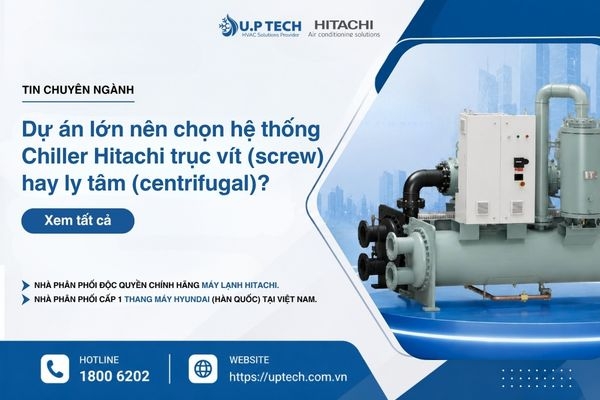
Comparing Hitachi Screw vs. Centrifugal Chiller Systems: Which Is Best for Large-Scale Projects?
Hitachi Inverter Residential Air Conditioners – The optimal solution for filtering out PM2.5 fine dust
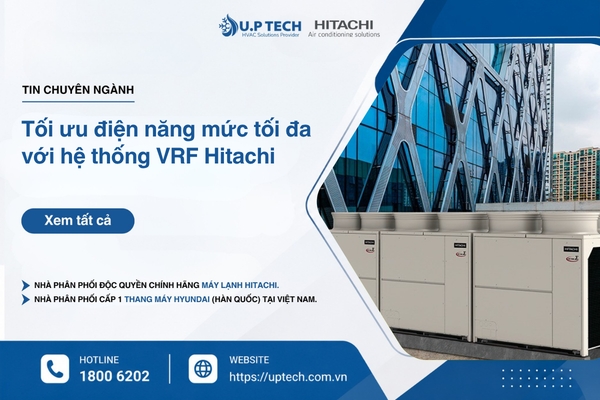
Maximize energy efficiency with Hitachi VRF systems: The secret lies in Japanese compressor technology

Guide to Selecting the Right Hyundai Elevator Load Capacity and Dimensions for Office Buildings for Lease
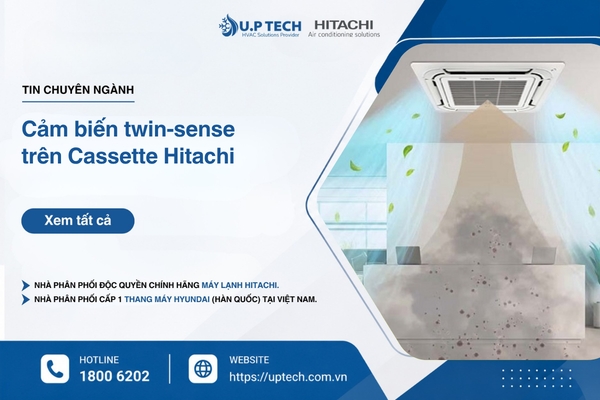
Twin-sense sensor on Cassette Hitachi: Detects floor temperature to help prevent cold feet
Tips for Selecting Capacity and Optimizing Outdoor Unit Placement for Hitachi PAC Systems
Important considerations when replacing Hyundai elevator parts to ensure compliance with technical standards
Comparing Hitachi airHome 600 and airHome 500 RAC Systems: Choosing the Right Solution for Specific Needs
Points to consider when cleaning Hitachi air conditioners to ensure cooling efficiency
Discover Machine Room-Less (MRL) technology in Hyundai YZER elevators
Hitachi Multi-Split Systems with Built-in Wi-Fi: Easier Remote Air Conditioner Control
What advantages do Hitachi air conditioners using R32 refrigerant have over those using R410A?
How does Inverter technology in Hitachi air conditioners help reduce power consumption?
Hitachi RAK/RAC: Powerful Cooling for instant cooling on hot days
U.P Tech supplies genuine Hyundai elevator spare parts
Comparing Hitachi ducted ceiling air conditioners and cassette ceiling air conditioners: Which one should you choose?
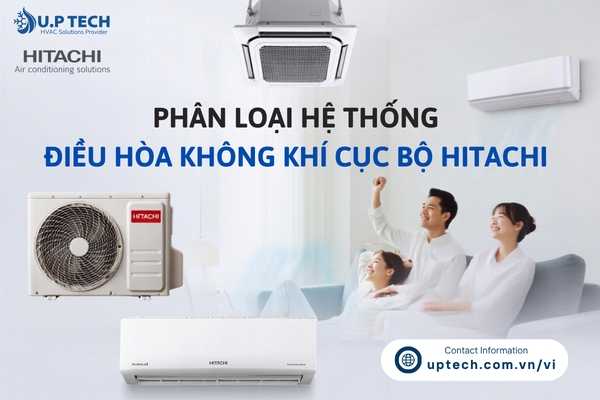
Classification of Hitachi split air conditioning systems
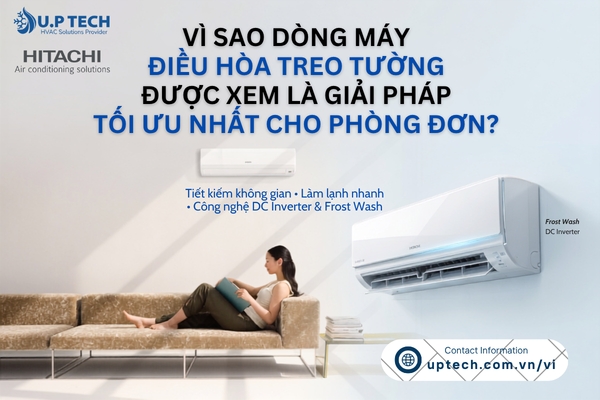
Why Is a Room Air Conditioner the Best Solution for Single Rooms?
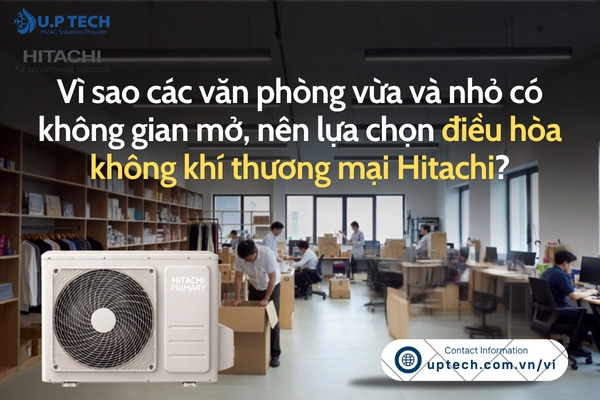
Why should small and medium-sized offices with open spaces choose Hitachi commercial air conditioners?
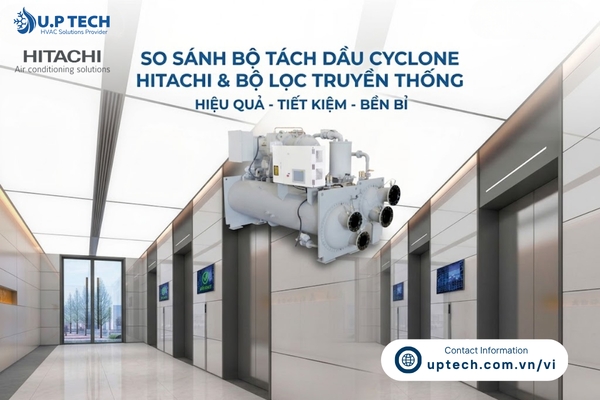
Comparison of Cyclone Oil Separators in Hitachi Chiller Air Conditioners and Traditional Filters
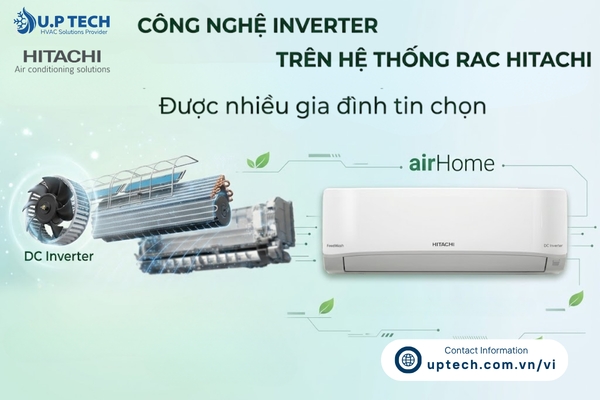
Why is Inverter technology in Hitachi RAC systems a popular choice for many families?
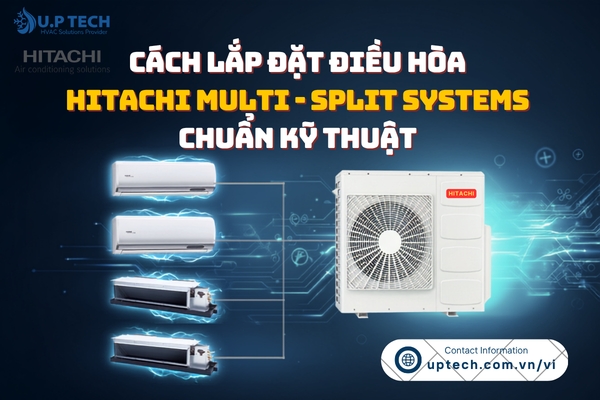
How to properly install Hitachi Multi-Split Systems air conditioners.
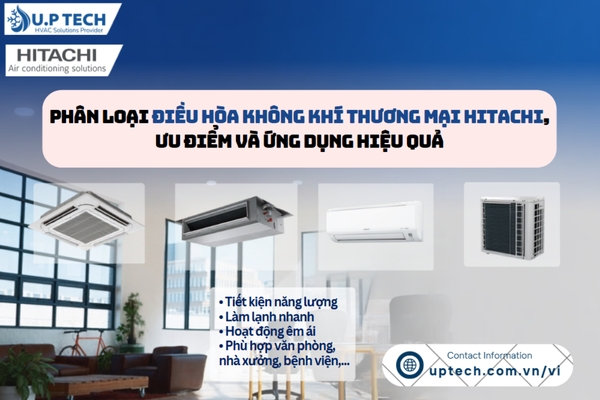
Hitachi Commercial Air Conditioners: Advantages & Applications
How to Choose the Right Hyundai Elevator Passenger for Investors
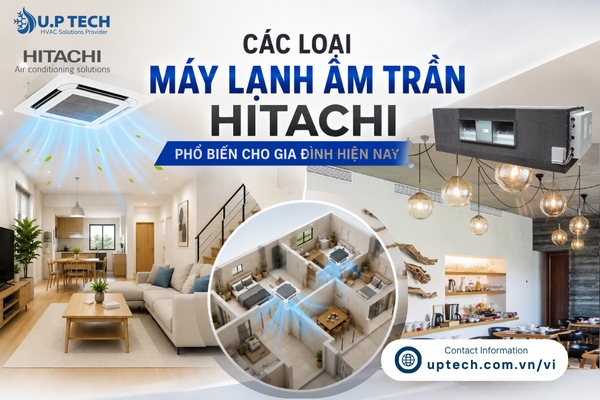
Popular Hitachi ceiling air conditioner models for homes
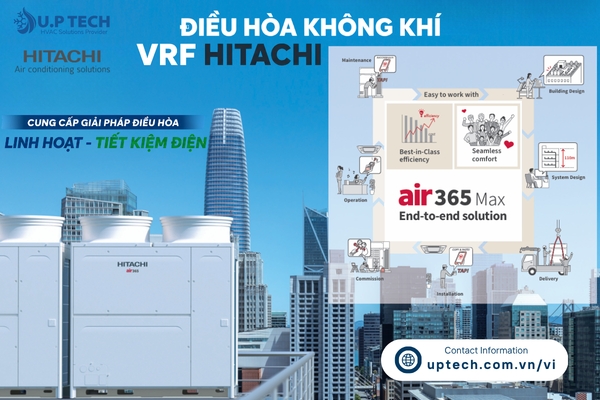
Hitachi Air VRF provide flexible & energy-efficient HVAC for building
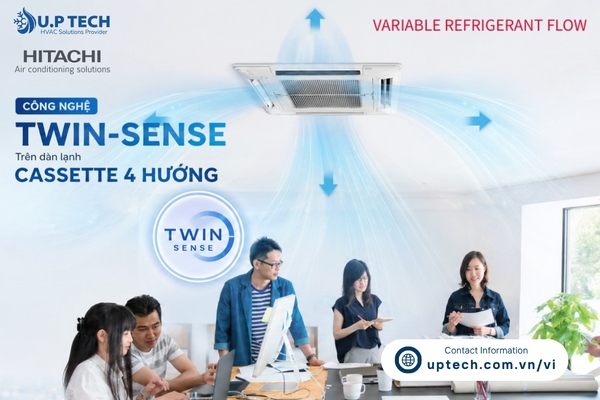
Hitachi Air VRF indoor units feature Twin-Sense 4-way cassette technology
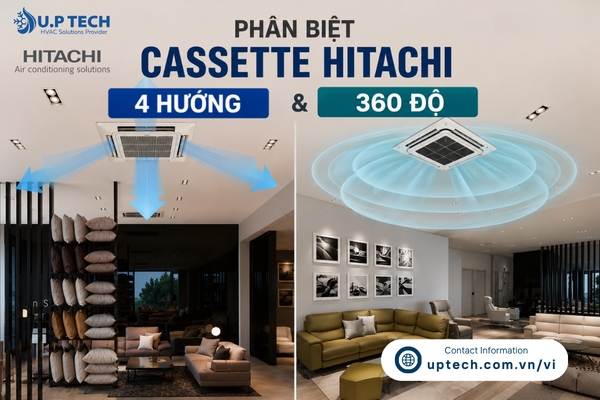
Distinguish Between Cassette Hitachi 4-Way and 360-Degree Cassette
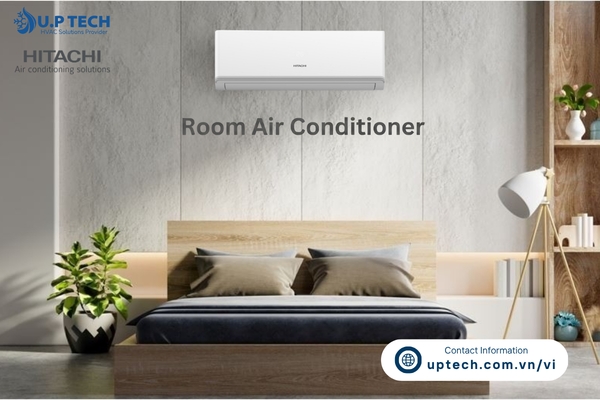
Guide to Choosing and Using a Room Air Conditioner
Evaluating VFD control technology on WVY water-cooled Hitachi air chiller
Hyundai i-XEL elevator safety features comply with EN81 standards, a smart mobility solution
Central Air Conditioning Solution with Hitachi Chiller System Using Screw Compressors
Advantages of Hitachi Cassette Air Conditioners with 360-Degree Airflow for Commercial Spaces
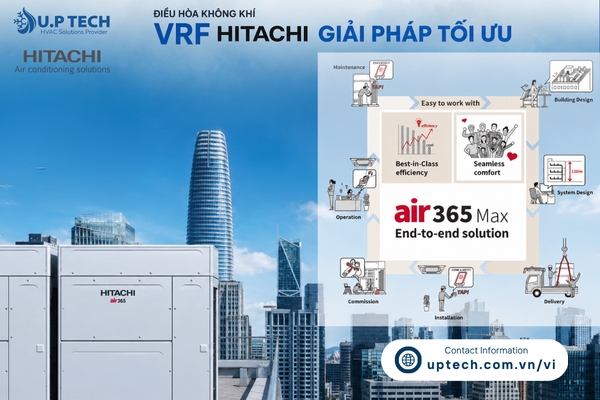
Hitachi VRF Air Conditioning offers optimal solutions for architects, contractors, installers, and investors.
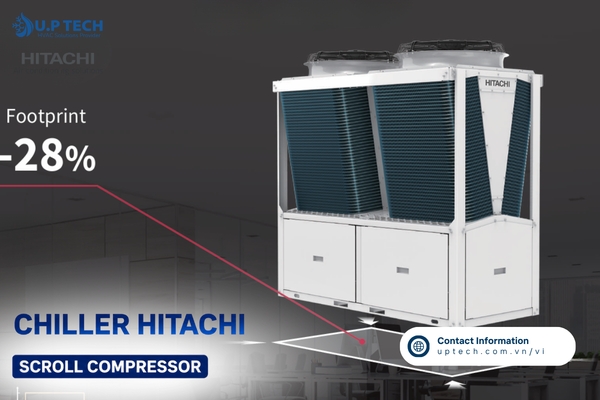
Scroll Compressor Hitachi Air Chiller to Match Capacity
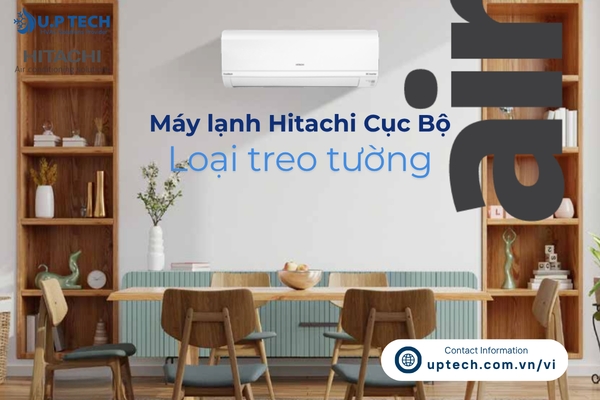
Classification of wall-mounted split air conditioners and tips for choosing the right one
Hitachi Multi-Split 2026: Hiểu Ngôi Nhà Qua Từng Nhịp Sống
Hyundai i-XEL elevators: The optimal space-saving solution for townhouses
Hitachi RAK/RAC 2026: Integrated Wifi and Nano Titanium Air Purifier
VRF air conditioning and heat recovery solutions
Hitachi Commercial Air Conditioner: Smart Multi-Zone Cooling Solution
Hitachi Cassette: The optimal ceiling-mounted air conditioning solution for all system configurations
Comparison of Hitachi centrifugal and screw chiller systems
Hitachi Multi-Split 2026 Air Conditioner: A breakthrough with intelligent AI eye sensor

Hitachi Frost Wash air conditioner: The secret to thorough cleaning without a technician
Hitachi commercial air conditioner prices: Investment cost analysis for contractors in 2026
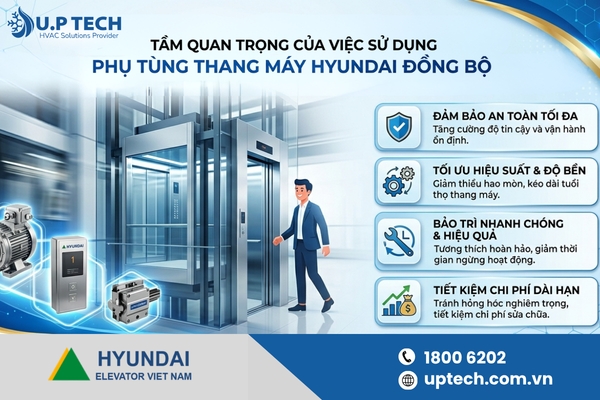
The Importance of Using Genuine Hyundai Elevator Parts
Looking for a reputable Hyundai elevator distributor in Vietnam for your project?
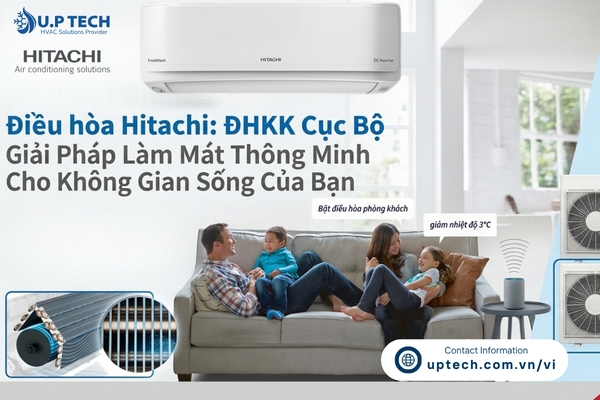
Hitachi Air Conditioners: Local Air Conditioning Systems Offering Smart and Durable Cooling Solutions
Why should high-end projects prioritize Hitachi air conditioners?
Hitachi Absorption Chiller System – The Pinnacle of Evaporative Cooling Technology for Large Factories
Hitachi RAK/RAC: Exclusive FrostWash self-cleaning technology 2026

Hitachi Commercial air conditioning: A solution that can save up to 35% on electricity by 2026
When is elevator maintenance and replacement of genuine Hyundai elevator parts necessary?

A compilation of typical Hyundai elevator projects implemented by Up.Tech.
Do Hitachi ceiling-mounted air conditioners really provide even cooling? Analyzing airflow and practical placement.
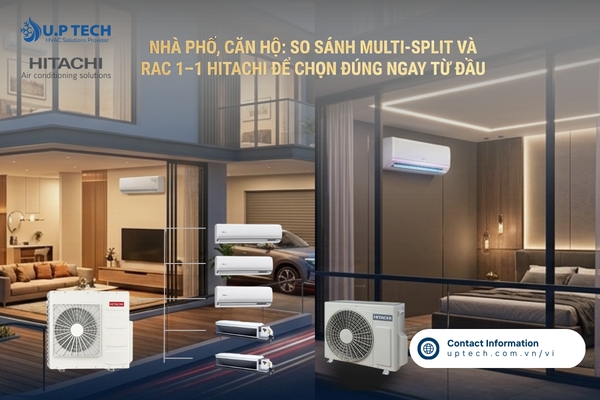
Townhouses and apartments: Comparing Hitachi RAC 1-1 and Multi-Split to make the right choice from the start.

When should you choose Hitachi ducted concealed ceiling air conditioners for your cafe or restaurant?

When should you choose Hitachi Multi-Split instead of multiple separate units for townhouses and apartments?
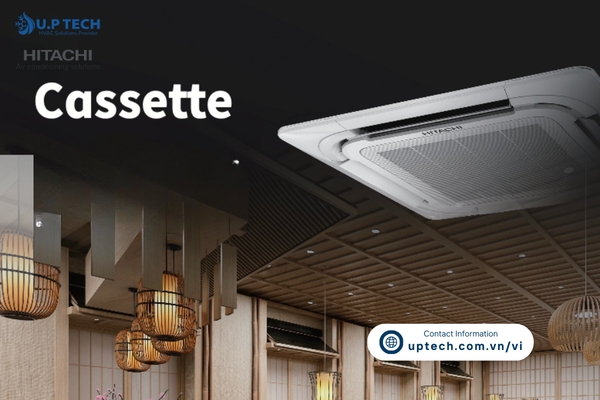
When should you choose Hitachi cassette ceiling-mounted air conditioners for offices and showrooms?

Hitachi Air Chiller Systems in Industrial Environments: Stable Cooling Solutions for Heavy and Continuous Loads
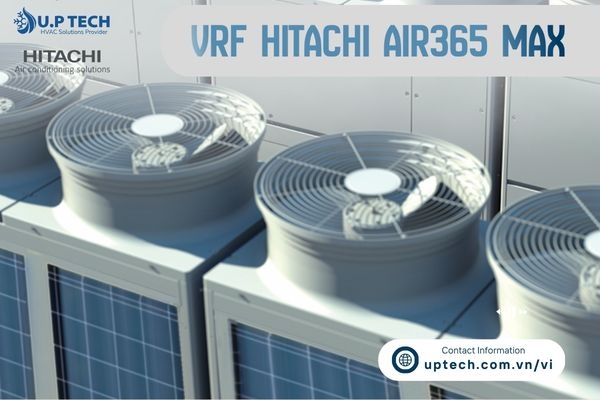
Hitachi Air365 Max VRF air conditioning solution: Energy-saving technology combined with independent zone control
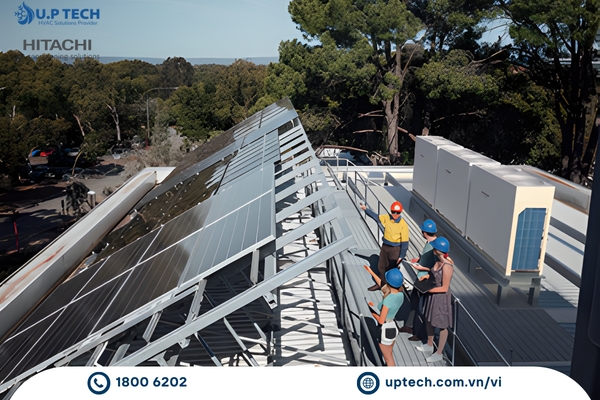
Common misconceptions about Hitachi VRF systems that consumers need clarified
Hitachi Chiller Systems: The ultimate cooling solution for modern factories
Why Do Many Small Projects Choose Hitachi RAC Systems?

Hitachi PAC systems: industrial solutions for construction projects
Developers should pay attention to the issue of ceiling mounted hot and cold water heaters leaking
Top 5 common elevator malfunctions that cause residents to complain
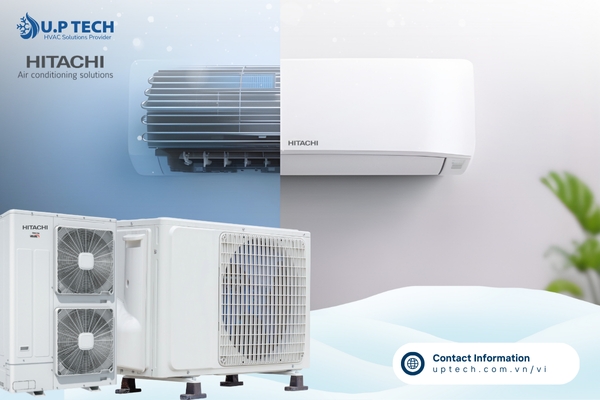
What types of buildings are hitachi air conditioners suitable for how should you choose them for homes offices and factories
Hyundai elevator distributor Uptech brings advanced mobility technology to the digital age
Hyundai Elevator Price List - Latest 2026 Prices at U.P Tech
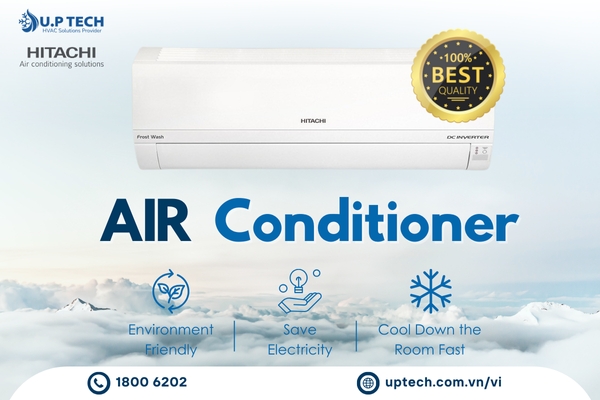
Hitachi Air Conditioner Distributor: Providing Optimal Solutions for Customers
Authorized Distributor of Genuine Hyundai Elevator Parts in Vietnam
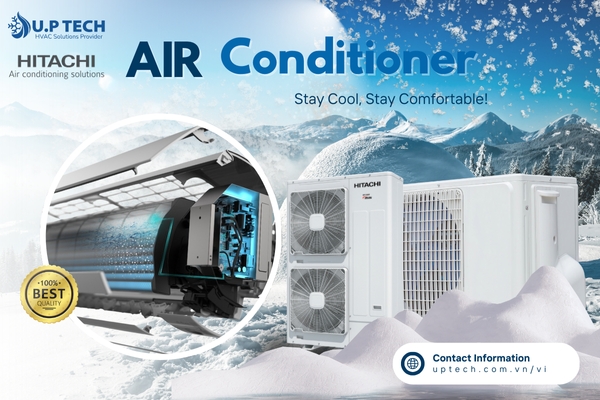
U.P Tech is the distributor of 100% genuine Hitachi spare parts

Authorized Distributor of Genuine Hitachi Air Conditioner
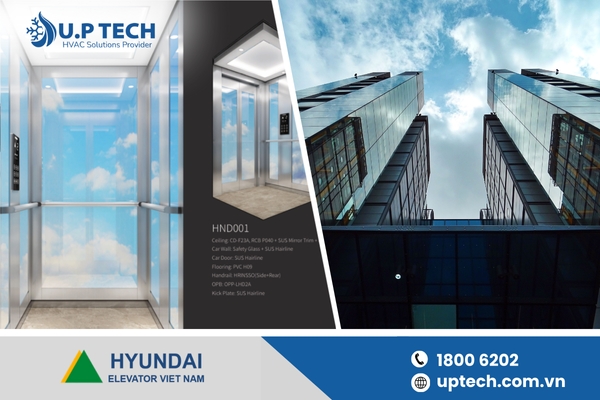
U.P Tech – Distributor of Hyundai (South Korea) Elevators in Vietnam
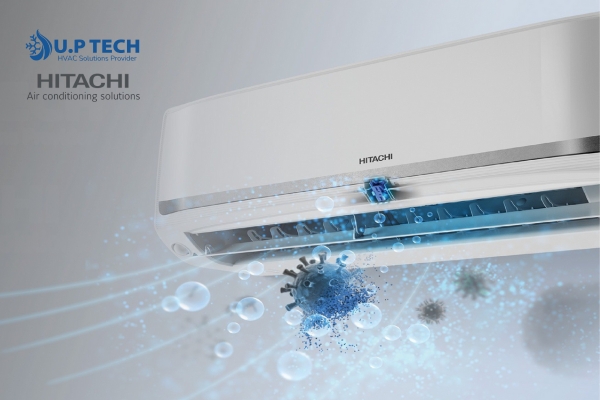
U.P Tech Exclusive Distributor of Hitachi Air Conditioners in Vietnam
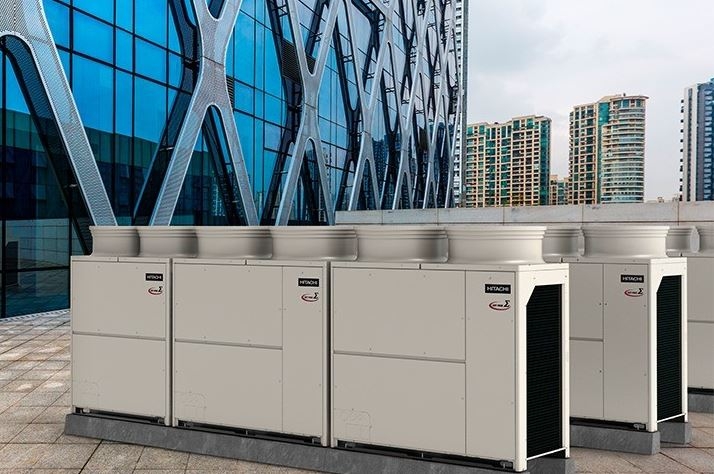
Hitachi VRF solutions

Hitachi Commercial Air Conditioner | Hitachi Air Conditioner

Light Commercial Split Systems

Hitachi Multi – Split Systems - Uptech
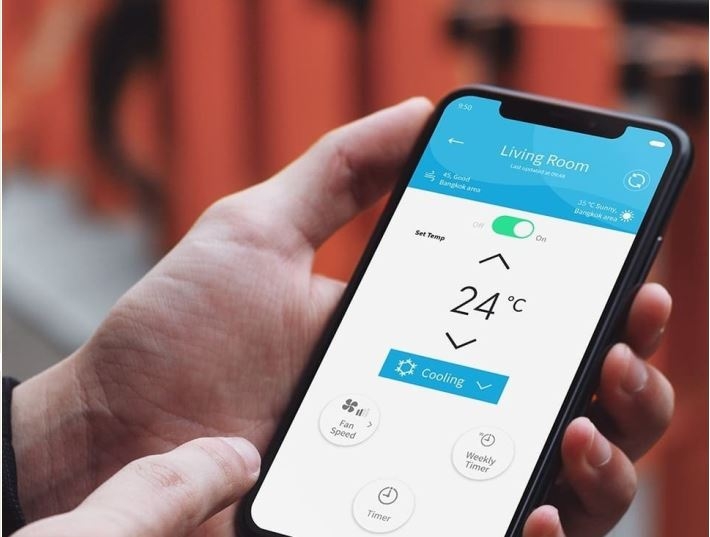
AC Apps & Controllers for home

Hitachi Home Air Conditioning
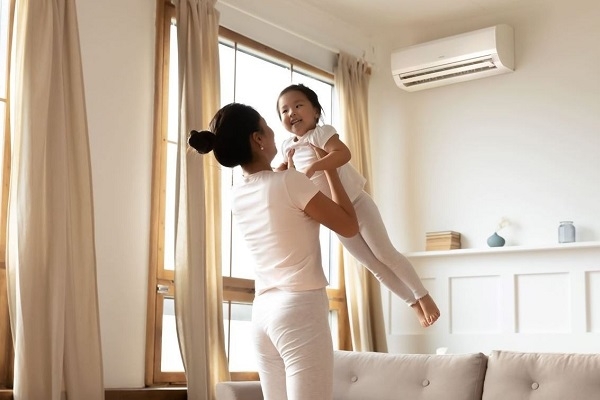
Hitachi Air Conditioning for Single Room - Room Air Conditioner
Air365 max innovations