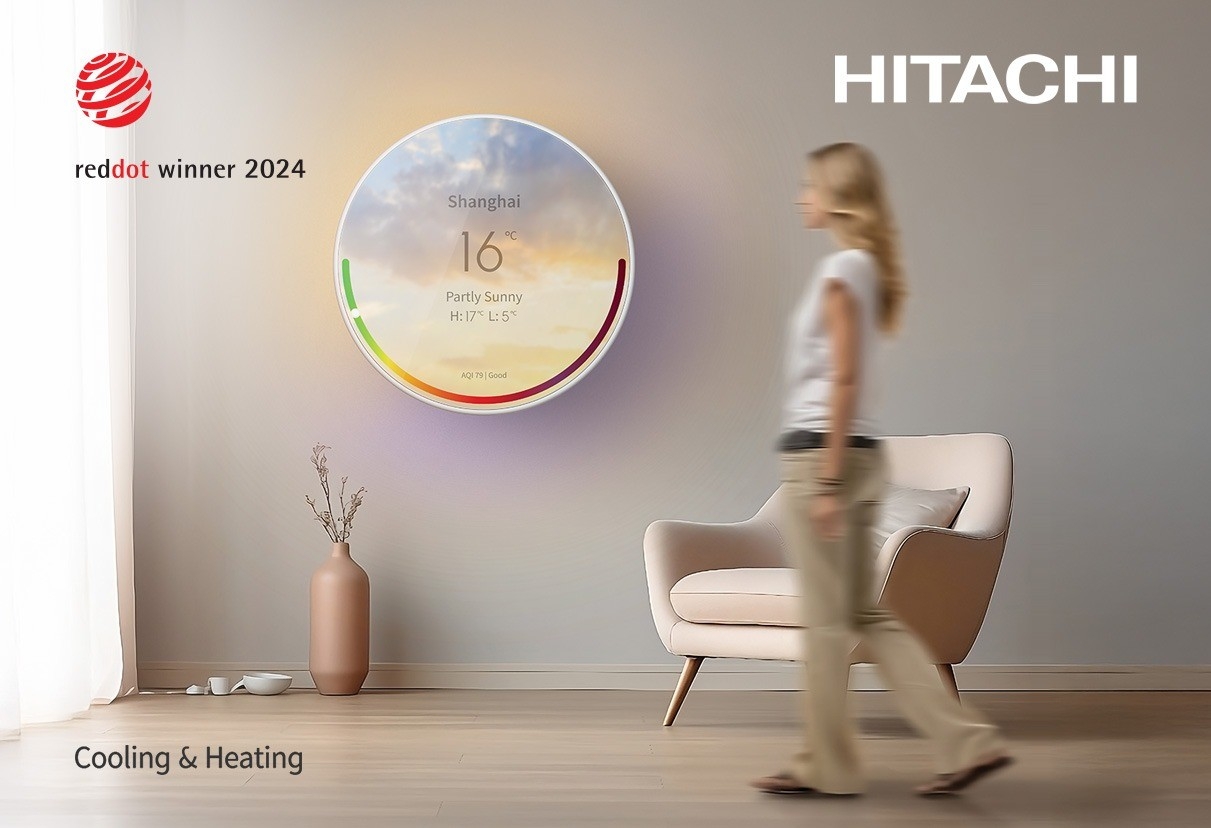




When choosing an air conditioner for the bedroom, most consumers focus only on its ability to "cool quickly" or "save energy." However, from both technical and medical perspectives, the two factors that directly determine health and sleep quality are temperature stability and relative humidity control. In this article, U.P Tech's technical experts provide an in-depth analysis of Hitachi RAK/RAC wall-mounted air conditioners, helping you understand the significant technological differences between Inverter and standard Non-inverter models.
1. Comparing temperature fluctuations between Hitachi RAK/RAC Inverter and Non-inverter models
The "sine-wave temperature fluctuation" phenomenon in Non-inverter air conditioners
Non-inverter air conditioners operate using an On/Off mechanism, repeatedly switching the compressor on and off. When the room reaches the set temperature (for example, 25°C), the compressor stops. When the temperature rises to 27°C–28°C, the compressor starts again.
This cycle creates a sine-wave-like temperature graph with fluctuations of 2°C–3°C:
- When the compressor stops: The temperature rises rapidly, making the air feel stuffy and hot.
- When the compressor starts again: The discharged airflow can create a localized sensation of intense cold.
Impact on deep sleep cycles
During deep sleep (Deep Sleep / NREM), the body naturally lowers its temperature. Continuous temperature fluctuations from Non-inverter air conditioners force the body to constantly regulate its temperature in response.
This can trigger a protective response from the central nervous system. Even if you do not fully wake up, your deep sleep cycle may be interrupted, leaving you feeling tired and sluggish the following morning.
0.5°C fine temperature control and SleepSense mode on Hitachi RAK/RAC Inverter models
In contrast, Hitachi RAK/RAC Inverter models (such as airHome 300, 400, 500, and 600) use Vector DC Inverter technology to flexibly adjust the compressor's rotational frequency. The system maintains fine temperature control with an accuracy of only ±0.5°C, eliminating sudden sensations of excessive cold or stuffiness.
- SleepSense (Air Sleep): Automatically detects conditions and gently increases the temperature according to the body's nighttime biological cycle, helping prevent the body from becoming too cold as its core temperature decreases.
- Ultra-quiet operation at 19 dB(A): In Silent Mode, the specially designed wave-shaped fan blades reduce airflow resistance, allowing the RAK indoor unit to achieve a noise level of just 19 dB(A) — lower than a whisper (30 dB) — helping the brain transition into sleep more quickly.
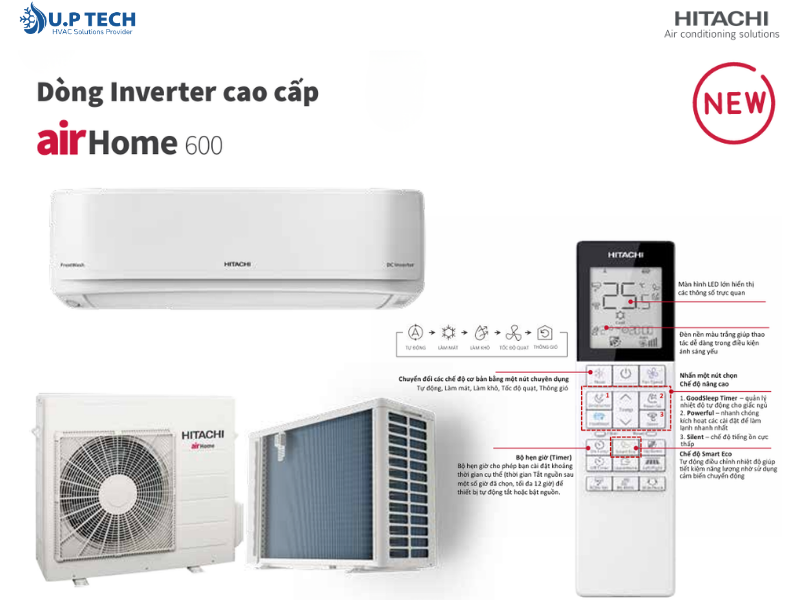
→ View details about the Hitachi airHome 600 wall-mounted air conditioner series here
2. Bedroom relative humidity (RH) control of Hitachi RAK/RAC Inverter compared with Non-inverter models
The ideal relative humidity for a sleeping environment is around 50%–60%. Both excessively high and excessively low humidity can directly affect the skin and respiratory system.
The "reverse evaporation" phenomenon in Hitachi RAK/RAC Non-inverter models
With Hitachi RAK/RAC Non-inverter models, when the room reaches the target temperature and the compressor temporarily stops, the RAK indoor unit's fan continues to operate. At this point, water accumulated on the heat exchanger fins that has not yet fully drained into the drain pan can be blown back into the bedroom by the fan.
This phenomenon can cause relative humidity in the room to rise sharply from 55% to over 75%–80% within just a few minutes.
Consequences: The air becomes humid, sticky, and stuffy, creating a "false dampness" sensation that may lead you to lower the air conditioner's temperature further. In addition, RH above 70% provides favorable conditions for mold to proliferate in blankets, bed sheets, pillows, and mattresses.
The mechanism for maintaining "golden humidity" in Hitachi RAK/RAC Inverter models
The Vector DC Inverter compressor in Hitachi air conditioners does not shut off completely; instead, it modulates output to an extremely low level, consistently maintaining a low surface temperature on the indoor unit.
Dehumidification therefore takes place gently and continuously, helping maintain bedroom humidity at a balanced level of 50%–60% RH:
- Respiratory protection: Helps prevent excessive drying of the nasal and throat mucous membranes, reducing the likelihood of sore throat and nasal congestion upon waking.
- Skin care: Maintains the skin's natural moisture balance without creating a sticky sensation or excessive dryness, making it particularly suitable for young children and users who apply skincare products at night.
- Antibacterial protection & flexible humidity control: Combined with the intelligent Dry Mode, the system can effectively remove moisture on rainy or stormy days without excessively lowering the room temperature.
.png)
3. FrostWash self-cleaning technology on Hitachi RAK/RAC Inverter models: A solution for preventing airflow deterioration
Heat exchanger dust buildup and increasing energy consumption over time
Many users are unaware that a brand-new air conditioner can experience a significant decline in performance after 1–2 years of use due to dust and dirt accumulating on the heat exchanger.
According to testing at Hitachi's Tochigi factory in Japan:
- Conventional air conditioners without a self-cleaning mechanism can experience up to an 18% reduction in airflow after two years due to the accumulation of fine dust and grease.
- Reduced airflow forces the compressor to operate for longer periods, resulting in a 15%–20% increase in electricity costs compared with the initial level and potentially causing unpleasant musty odors.
FrostWash's active freeze-and-wash mechanism on Hitachi RAK/RAC Inverter models
FrostWash technology on Hitachi RAK/RAC Inverter models addresses this issue through four steps:
- Freezing: Condenses water vapor and freezes the heat exchanger surface to -15°C, trapping dust and microorganisms.
- Thawing: The ice melts rapidly, creating a swirling flow of water that washes away contaminants through the drainage system.
- Drying: The indoor unit fan operates to thoroughly dry residual moisture and help prevent mold growth.
- Result: Helps eliminate 99% of bacteria, 99% of viruses, and 95% of mold.
Thanks to FrostWash, the Hitachi RAK indoor unit experiences only a 6% reduction in airflow after two years (retaining up to three times the performance of conventional units), helping preserve energy efficiency and reduce the frequency of professional cleaning and maintenance.
In addition, the dual air filtration system featuring the ViroSense Z1 filter and AQtiv-Ion ion-generation technology helps neutralize harmful microorganisms and protect the respiratory system throughout the night.

→ View details about the Hitachi airHome 500 wall-mounted air conditioner series here
4. U.P Tech's recommendation: Hitachi RAK/RAC Inverter or Non-inverter?
Based on the technical analysis above, U.P Tech provides the following practical recommendations for customers:
Choose Hitachi RAK/RAC Inverter models (airHome 300 / 400 / 500 / 600) if:
- Installing the unit in the master bedroom, where it will operate continuously for 6–9 hours every night.
- Your household includes young children, elderly people, individuals with sensitive skin, or those who are prone to allergies, sinus problems, or dry throats.
- You want proactive control over clean air quality, microorganism reduction, and smart microclimate management.
Consider Hitachi RAK/RAC Non-inverter models only when:
- Installing the unit in secondary spaces that are used very infrequently, such as a guest bedroom occupied for only 1–2 hours occasionally, a storage room, or a shop that operates during the daytime.
- You need to minimize the initial equipment investment as much as possible.
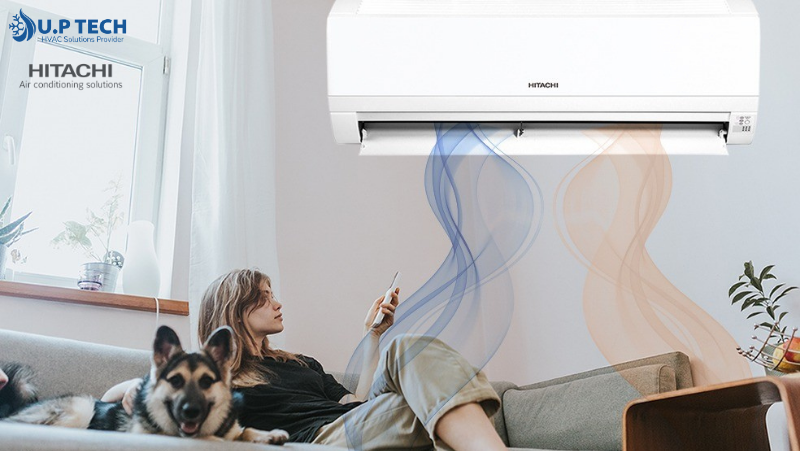
Choosing an air conditioner for the bedroom is not simply about cooling the room; it is an investment in long-term sleep quality and health. The Hitachi RAK/RAC Inverter product line offers significant advantages over Non-inverter models through its fine temperature control, ability to maintain the "golden humidity" range of 50%–60%, ultra-quiet operation at 19 dB(A), and FrostWash self-cleaning technology, which helps maintain clean airflow over time.
Contact U.P Tech today to receive expert advice on genuine Hitachi air-conditioning solutions, an on-site technical assessment, and attractive warranty policies!
See more:
=> How does Inverter technology in Hitachi air conditioners help reduce power consumption?
=> Hitachi RAK/RAC: Powerful Cooling for instant cooling on hot days
U.P. TECHNOLOGY AND TRADING CO., LTD.
Hotline: 1800 6202
Email: vu@uptech.com.vn
Website: https://uptech.com.vn
Ho Chi Minh Transaction Office: 370 Cach Mang Thang 8 Street, Nhieu Loc Ward, Ho Chi Minh City
Ha Noi Transaction Office: 14th Floor, ADI Building, Lot HH03, To Huu Street, Ha Dong Ward, Hanoi City
Head Office: D6, Thuan Viet Commercial Area, 319 Ly Thuong Kiet Street, Phu Tho Ward, Ho Chi Minh City.
3 reasons to choose Hitachi Mini VRF Set Free for your air conditioning system
Learn about the built-in Power-Safe mode on Hitachi RAC systems.
Why buy Hitachi Ceiling air conditioner at U.P Tech?
Comparing Hitachi Screw vs. Centrifugal Chiller Systems: Which Is Best for Large-Scale Projects?
Hitachi Inverter Residential Air Conditioners – The optimal solution for filtering out PM2.5 fine dust
Maximize energy efficiency with Hitachi VRF systems: The secret lies in Japanese compressor technology

Guide to Selecting the Right Hyundai Elevator Load Capacity and Dimensions for Office Buildings for Lease
Twin-sense sensor on Cassette Hitachi: Detects floor temperature to help prevent cold feet
Tips for Selecting Capacity and Optimizing Outdoor Unit Placement for Hitachi PAC Systems
Important considerations when replacing Hyundai elevator parts to ensure compliance with technical standards
Comparing Hitachi airHome 600 and airHome 500 RAC Systems: Choosing the Right Solution for Specific Needs
Points to consider when cleaning Hitachi air conditioners to ensure cooling efficiency
Discover Machine Room-Less (MRL) technology in Hyundai YZER elevators
Hitachi Multi-Split Systems with Built-in Wi-Fi: Easier Remote Air Conditioner Control
What advantages do Hitachi air conditioners using R32 refrigerant have over those using R410A?
How does Inverter technology in Hitachi air conditioners help reduce power consumption?
Hitachi RAK/RAC: Powerful Cooling for instant cooling on hot days
U.P Tech supplies genuine Hyundai elevator spare parts
Comparing Hitachi ducted ceiling air conditioners and cassette ceiling air conditioners: Which one should you choose?
Classification of Hitachi split air conditioning systems
Why Is a Room Air Conditioner the Best Solution for Single Rooms?
Why should small and medium-sized offices with open spaces choose Hitachi commercial air conditioners?
Comparison of Cyclone Oil Separators in Hitachi Chiller Air Conditioners and Traditional Filters
Why is Inverter technology in Hitachi RAC systems a popular choice for many families?
How to properly install Hitachi Multi-Split Systems air conditioners.
Hitachi Commercial Air Conditioners: Advantages & Applications
How to Choose the Right Hyundai Elevator Passenger for Investors
Popular Hitachi ceiling air conditioner models for homes
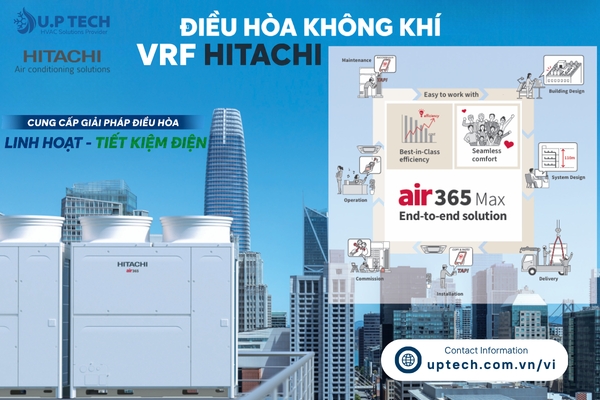
Hitachi Air VRF provide flexible & energy-efficient HVAC for building
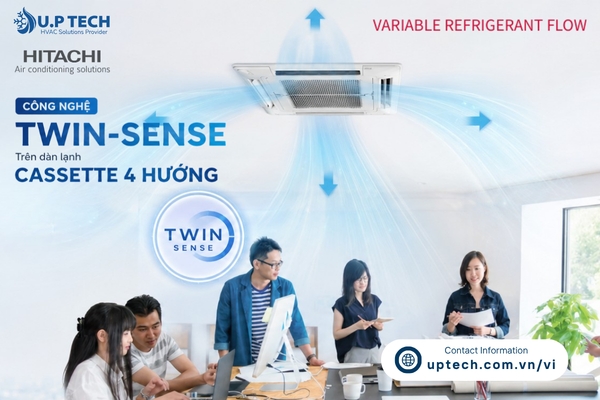
Hitachi Air VRF indoor units feature Twin-Sense 4-way cassette technology
Distinguish Between Cassette Hitachi 4-Way and 360-Degree Cassette
Guide to Choosing and Using a Room Air Conditioner
Evaluating VFD control technology on WVY water-cooled Hitachi air chiller
Hyundai i-XEL elevator safety features comply with EN81 standards, a smart mobility solution
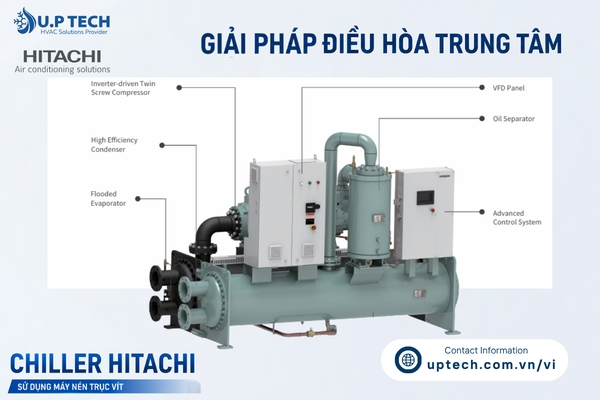
Central Air Conditioning Solution with Hitachi Chiller System Using Screw Compressors
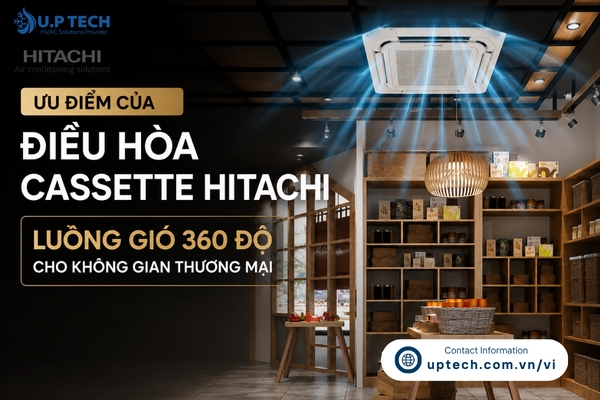
Advantages of Hitachi Cassette Air Conditioners with 360-Degree Airflow for Commercial Spaces
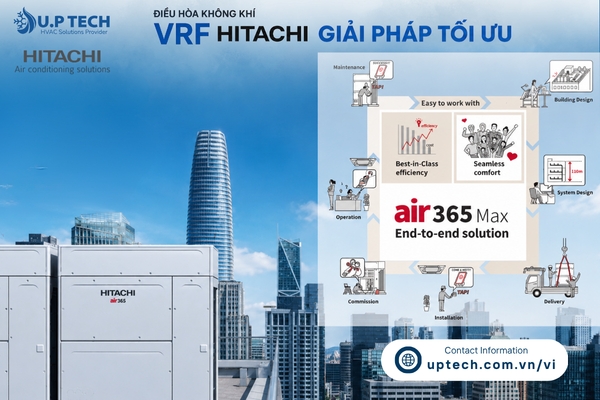
Hitachi VRF Air Conditioning offers optimal solutions for architects, contractors, installers, and investors.
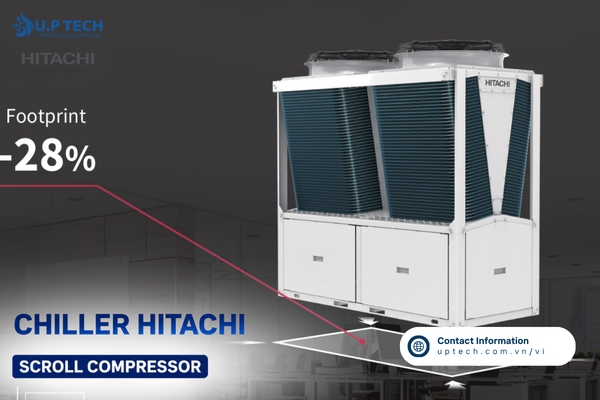
Scroll Compressor Hitachi Air Chiller to Match Capacity
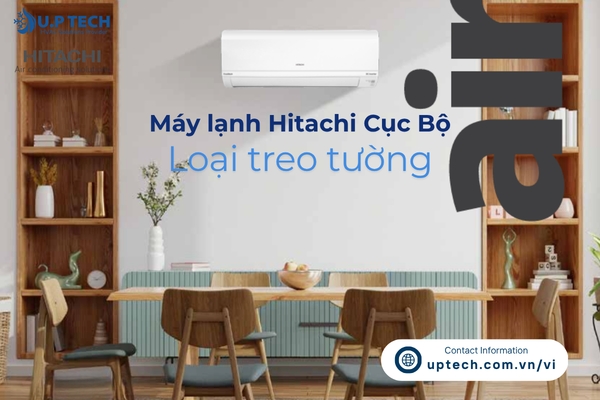
Classification of wall-mounted split air conditioners and tips for choosing the right one
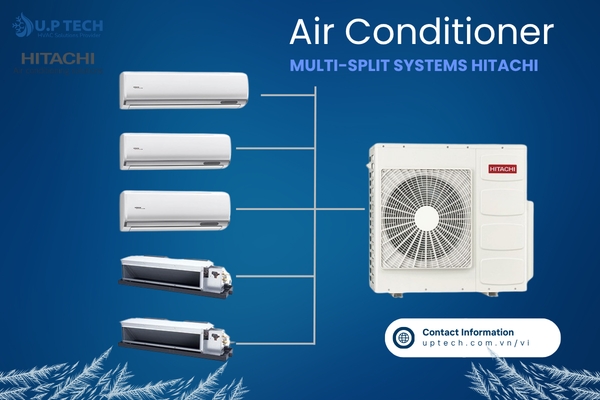
Hitachi Multi-Split 2026: Hiểu Ngôi Nhà Qua Từng Nhịp Sống
Hyundai i-XEL elevators: The optimal space-saving solution for townhouses
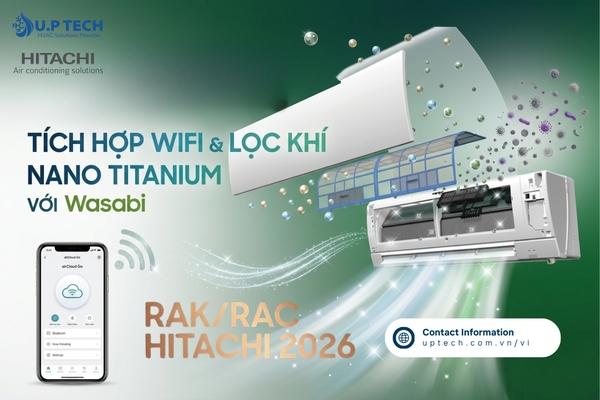
Hitachi RAK/RAC 2026: Integrated Wifi and Nano Titanium Air Purifier
VRF air conditioning and heat recovery solutions
Hitachi Commercial Air Conditioner: Smart Multi-Zone Cooling Solution
Hitachi Cassette: The optimal ceiling-mounted air conditioning solution for all system configurations
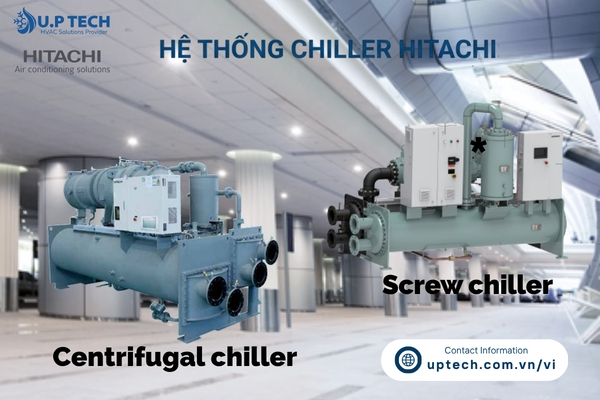
Comparison of Hitachi centrifugal and screw chiller systems
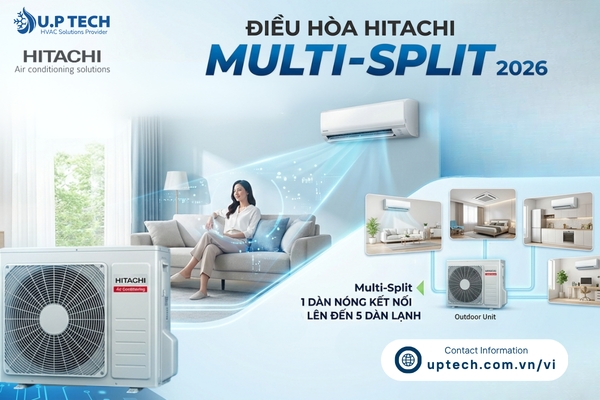
Hitachi Multi-Split 2026 Air Conditioner: A breakthrough with intelligent AI eye sensor
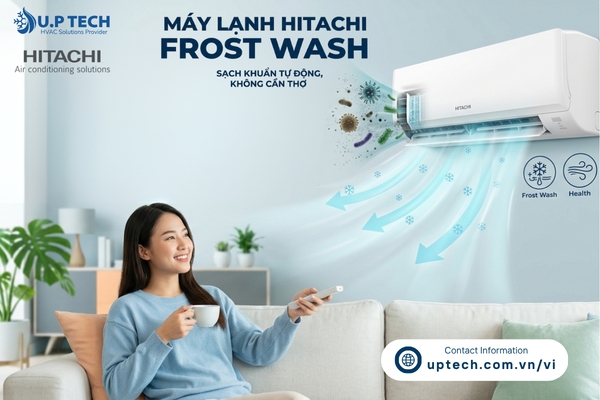
Hitachi Frost Wash air conditioner: The secret to thorough cleaning without a technician
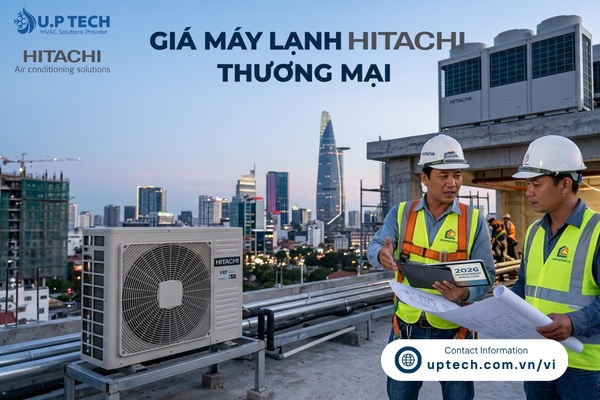
Hitachi commercial air conditioner prices: Investment cost analysis for contractors in 2026
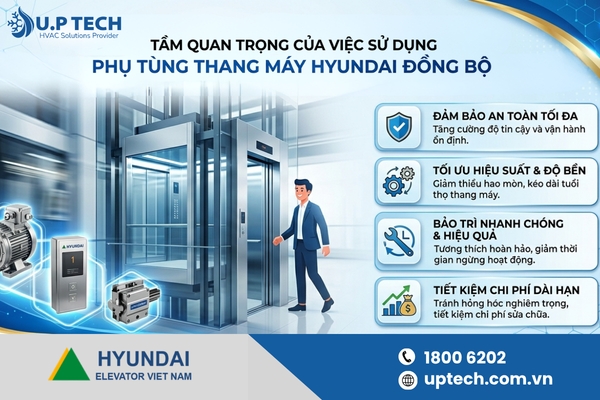
The Importance of Using Genuine Hyundai Elevator Parts
Looking for a reputable Hyundai elevator distributor in Vietnam for your project?
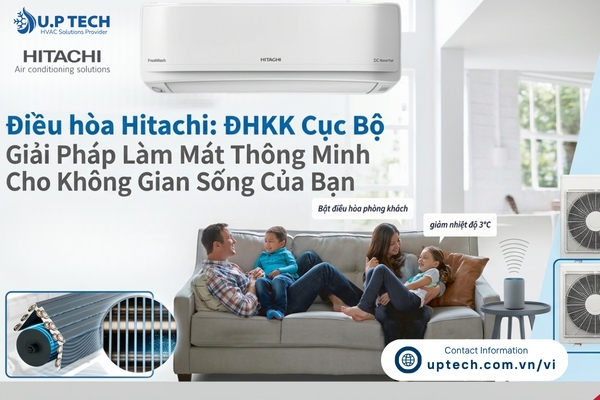
Hitachi Air Conditioners: Local Air Conditioning Systems Offering Smart and Durable Cooling Solutions
Why should high-end projects prioritize Hitachi air conditioners?
Hitachi Absorption Chiller System – The Pinnacle of Evaporative Cooling Technology for Large Factories
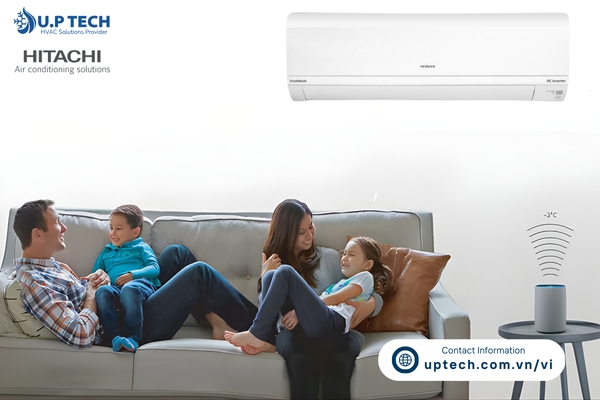
Hitachi RAK/RAC: Exclusive FrostWash self-cleaning technology 2026
Hitachi Commercial air conditioning: A solution that can save up to 35% on electricity by 2026
When is elevator maintenance and replacement of genuine Hyundai elevator parts necessary?
A compilation of typical Hyundai elevator projects implemented by Up.Tech.
Do Hitachi ceiling-mounted air conditioners really provide even cooling? Analyzing airflow and practical placement.
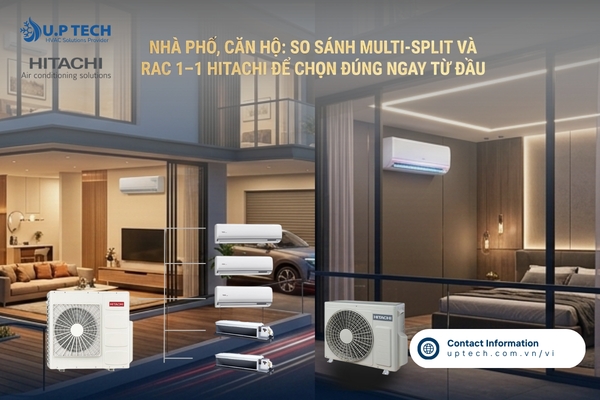
Townhouses and apartments: Comparing Hitachi RAC 1-1 and Multi-Split to make the right choice from the start.

When should you choose Hitachi ducted concealed ceiling air conditioners for your cafe or restaurant?

When should you choose Hitachi Multi-Split instead of multiple separate units for townhouses and apartments?
When should you choose Hitachi cassette ceiling-mounted air conditioners for offices and showrooms?
Hitachi Air Chiller Systems in Industrial Environments: Stable Cooling Solutions for Heavy and Continuous Loads
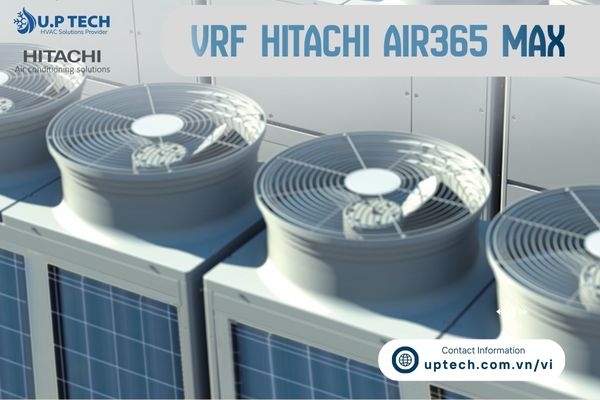
Hitachi Air365 Max VRF air conditioning solution: Energy-saving technology combined with independent zone control
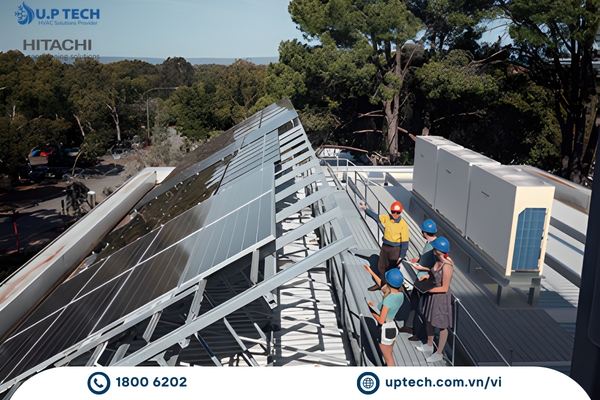
Common misconceptions about Hitachi VRF systems that consumers need clarified
Hitachi Chiller Systems: The ultimate cooling solution for modern factories
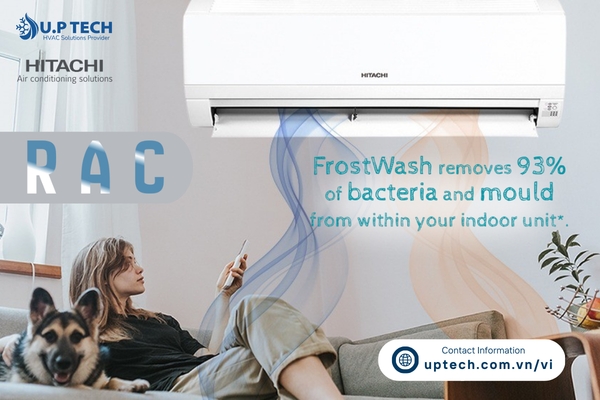
Why Do Many Small Projects Choose Hitachi RAC Systems?
Hitachi PAC systems: industrial solutions for construction projects
Developers should pay attention to the issue of ceiling mounted hot and cold water heaters leaking
Top 5 common elevator malfunctions that cause residents to complain
What types of buildings are hitachi air conditioners suitable for how should you choose them for homes offices and factories
Hyundai elevator distributor Uptech brings advanced mobility technology to the digital age
Hyundai Elevator Price List - Latest 2026 Prices at U.P Tech
Hitachi Air Conditioner Distributor: Providing Optimal Solutions for Customers
Authorized Distributor of Genuine Hyundai Elevator Parts in Vietnam
U.P Tech is the distributor of 100% genuine Hitachi spare parts

Authorized Distributor of Genuine Hitachi Air Conditioner
U.P Tech – Distributor of Hyundai (South Korea) Elevators in Vietnam
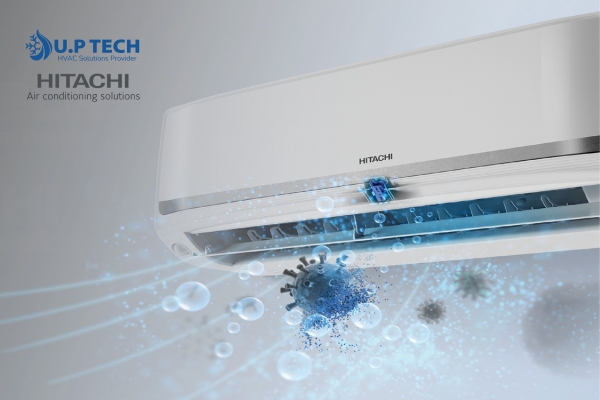
U.P Tech Exclusive Distributor of Hitachi Air Conditioners in Vietnam
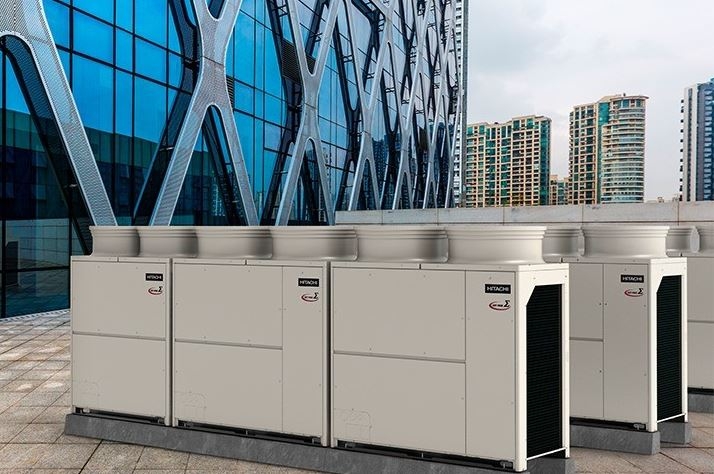
Hitachi VRF solutions
Hitachi Commercial Air Conditioner | Hitachi Air Conditioner

Light Commercial Split Systems

Hitachi Multi – Split Systems - Uptech
AC Apps & Controllers for home

Hitachi Home Air Conditioning
Hitachi Air Conditioning for Single Room - Room Air Conditioner
Air365 max innovations